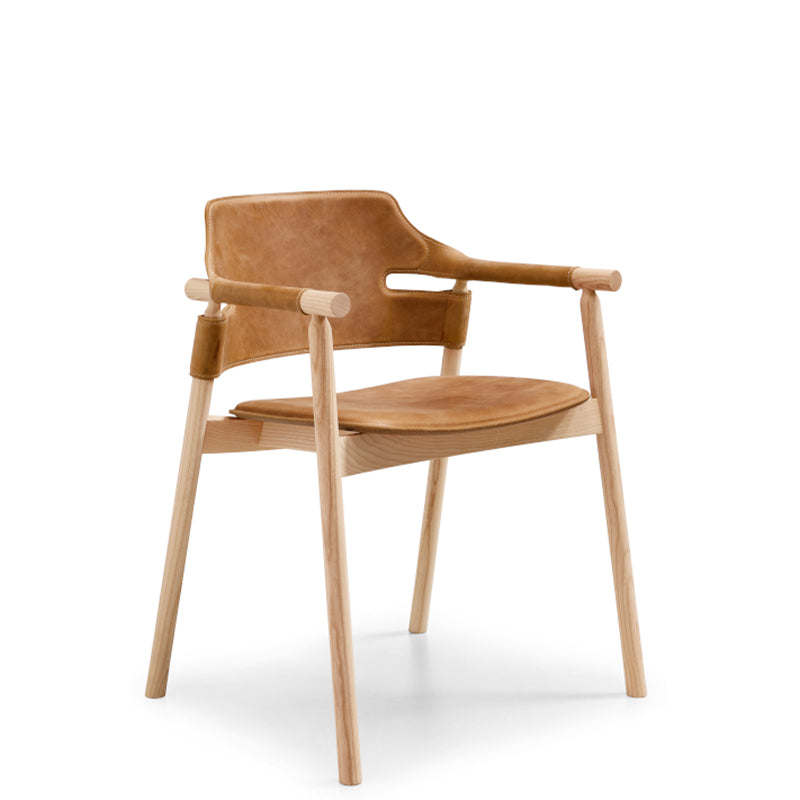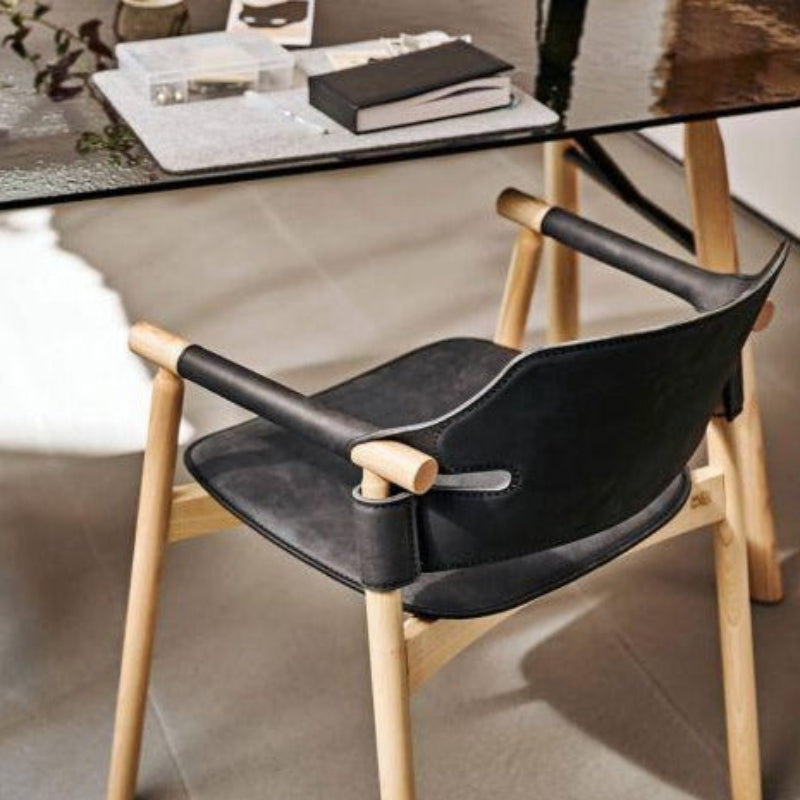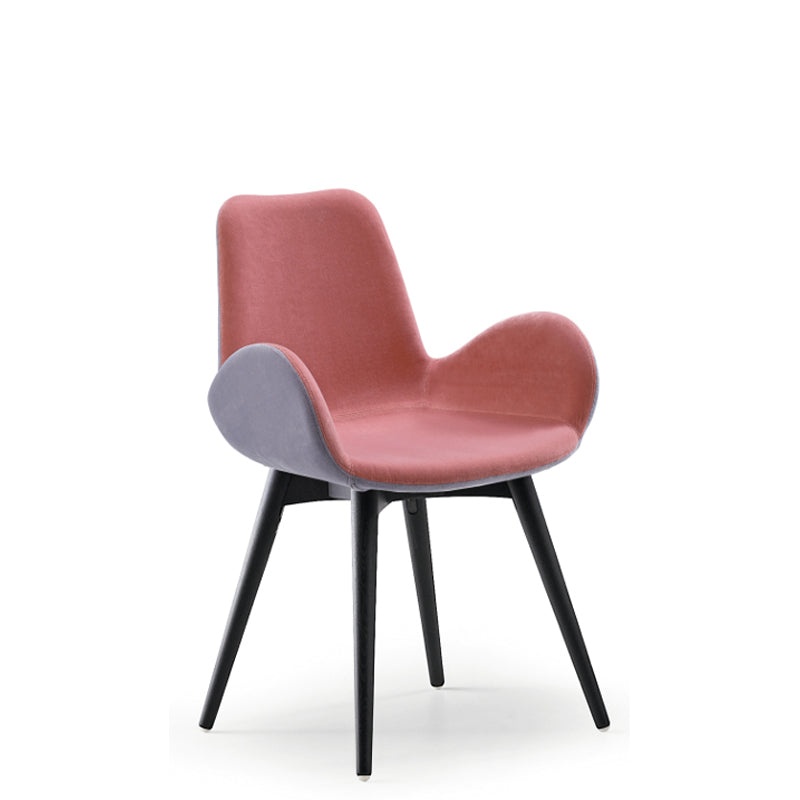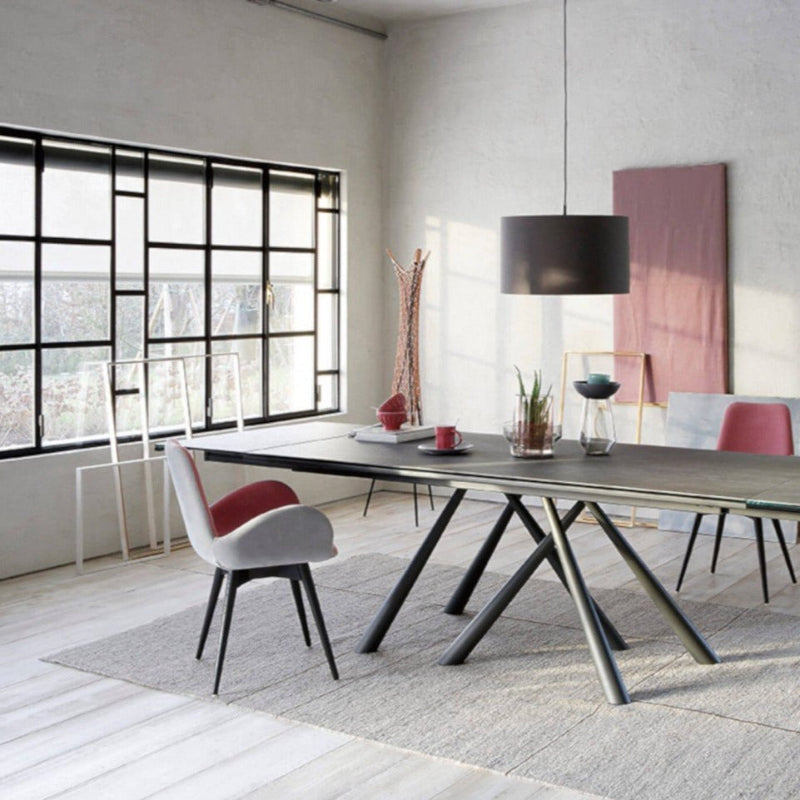
What do these contract-grade furniture terms mean?
There's something satisfying about finally narrowing your furniture search down to one or two pieces. After comparing designs, finishes, and dimensions, you think you've made your decision. Then you scroll a little further and see a page full of technical specifications that seem to require an entirely different vocabulary.
ANSI/BIFMA. GREENGUARD Gold. COM. HPL. Double Rubs.
For many buyers, this is the point where confidence turns into confusion. Yet these specifications of modern luxury furniture are often the most valuable part of the product page. They explain how a piece has been tested, how durable it really is, and whether it's built for occasional residential use or the constant demands of a commercial environment.
Explain Like I'm Five - What Is Contract-Grade Furniture?
Picture the dining chair in your home. It's used by the same few people every day.
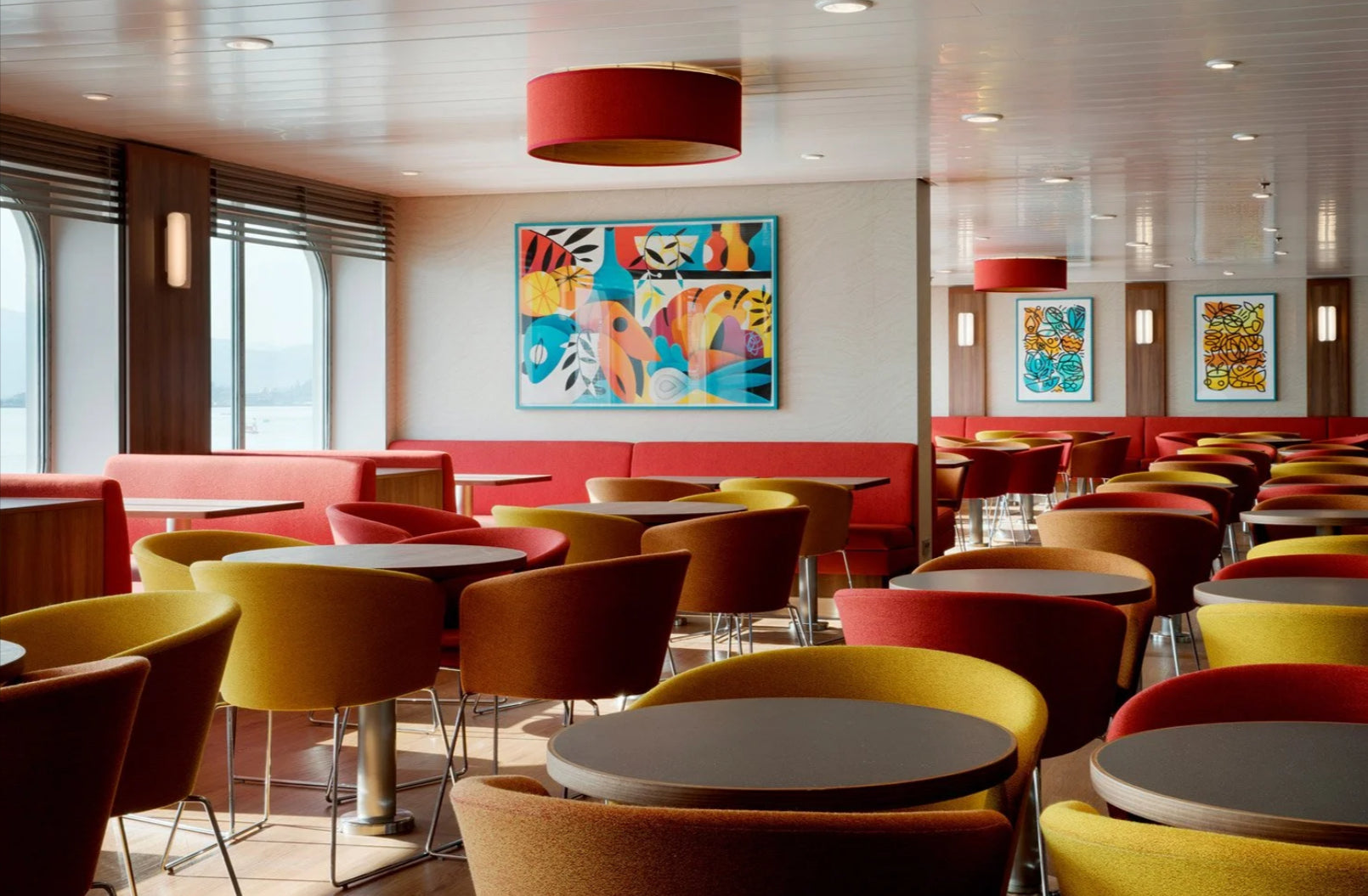
Now picture that same chair in a busy restaurant. By breakfast, it has welcomed early commuters. At lunch, it's been pulled out and pushed back dozens of times. By dinner, it's supported families, couples, and large groups celebrating together. Tomorrow, it will do it all again.
That's what contract-grade furniture is built for. It isn't designed to look different - it's designed for a completely different life. It's tested to handle constant use, frequent cleaning, and years of heavy traffic without giving up.

Performance Standards & Certifications
Contract Grade
As IKEA explains, contract-grade furniture is designed to withstand "continuous, higher-frequency use by a large, diverse population of users in non-residential settings." In other words, it's built for spaces like restaurants, hotels, offices, universities, and healthcare facilities, where furniture is expected to perform reliably day after day-not just look good on the showroom floor.
Commercial Warranty / 24/7 Rating
A commercial warranty is designed for public spaces rather than residential use. If a product is 24/7 rated, it's built for environments where it's in almost constant use, such as hospitals, airports, or call centres.
ANSI/BIFMA
ANSI/BIFMA means the furniture has been tested against recognised commercial performance standards.
As BIFMA states, "Consumers can take the comfort, safety, and durability of their commercial furniture for granted" thanks to the voluntary standards adopted by the business and institutional furniture industry. These standards help ensure furniture has been tested for strength, safety, and long-term durability before it reaches the market.
BIFMA X5.1 (Seating)
BIFMA X5.1 is the testing standard used for commercial chairs. It measures how well seating performs under repeated use, including strength, stability, and long-term durability. If you're comparing commercial dining or guest seating, this is one of the most valuable certifications to look for.
BIFMA X5.5 (Tables & Desks)
BIFMA X5.5 is the testing standard used for desks and tables. It evaluates how well work surfaces perform under everyday commercial use, including weight, stability, and structural strength. It's designed to give buyers confidence that a table can handle years of regular use.
EN 16139 (Seating)
EN 16139 is a European standard that tests the strength, durability, and safety of commercial seating. Much like BIFMA in North America, it confirms that chairs have been evaluated for demanding public environments.
GREENGUARD Gold
GREENGUARD Gold means the furniture has been tested for low chemical emissions. In other words, it helps contribute to healthier indoor air quality by limiting the release of volatile organic compounds (VOCs). It's a certification that's especially valued in schools, healthcare facilities, and workplaces where people spend long hours indoors.
CAL TB117-2013
CAL TB117-2013 is a California flammability standard for upholstered furniture. Rather than testing the outer fabric alone, it focuses on how the upholstery system performs when exposed to a smouldering ignition source.

Upholstery & Material Terms
Not every specification relates to strength testing. Many describe the upholstery itself-how durable it is, how easy it is to clean, or whether it can be customised for a particular project. If you're specifying high end restaurant chairs, these are some of the terms you'll come across most often.
Fire Barrier (Interliner)
A fire barrier is a hidden protective layer placed between the upholstery fabric and the foam. Its job is to help the furniture meet stricter fire safety requirements without changing the look or feel of the finished piece.
COM (Customer's Own Material)
COM means you can supply your own upholstery fabric instead of selecting one from the manufacturer's collection. The furniture is then upholstered using your chosen material. We often see this on hospitality projects where designers want every piece to match a custom fabric they've sourced elsewhere.
COL (Customer's Own Leather)
COL means you can supply your own leather hides for the furniture. Instead of selecting from the manufacturer's leather options, your chosen hides are used to upholster the piece. It's a common choice for bespoke hospitality projects where every material has been carefully specified.
Double Rubs (Wyzenbeek) / Martindale
Double Rubs and Martindale are tests that measure how durable an upholstery fabric is. The rating tells you how well the fabric will stand up to everyday wear. In general, the higher the score, the longer the fabric is expected to perform in busy commercial spaces.
Clean-Out Gap
A clean-out gap is a small space between the seat and backrest that makes chairs easier to clean. Instead of trapping crumbs and spills, debris can simply be wiped through the opening. It might seem like a minor detail, but in restaurants and cafés it can save staff a surprising amount of cleaning time over the course of a day.
Moisture Barrier
A moisture barrier is a protective layer hidden beneath the upholstery that helps prevent liquids from reaching the foam. It keeps spills from soaking into the cushion, making furniture easier to maintain while helping extend its lifespan.
Bleach-Cleanable
Some commercial fabrics can safely withstand diluted bleach cleaning when used according to the manufacturer's recommended ratios. It's a feature that's become increasingly valuable in hospitality, healthcare, and food service environments.
Construction & Durability Terms
These specifications focus on how furniture is built behind the scenes. If you're comparing high end commercial bar stools or commercial dining seating, understanding these terms makes it much easier to evaluate long-term durability rather than appearance alone.
Bariatric Seating
Bariatric seating is designed to safely support higher weight capacities than standard commercial chairs. Reinforced frames and wider seat dimensions provide additional strength without sacrificing comfort.
Weight Rating (Static vs Dynamic)
A weight rating tells you how much load a piece of furniture has been tested to support. A static rating measures weight while the furniture is standing still, while a dynamic rating also accounts for movement, shifting, and everyday use.
HPL (High-Pressure Laminate)
HPL is a durable surface material that's widely used on commercial tabletops. It's designed to resist scratches, stains, moisture, and everyday wear, making it a practical choice for restaurants, offices, schools, and other high-traffic spaces.
Powder Coat
Powder coat is a protective finish that's applied to metal furniture. Unlike traditional paint, it's baked onto the frame to create a harder, more durable surface. The result is better resistance to scratches, chips, and corrosion, which is exactly why you'll see it specified on so much contract-grade furniture.
KD (Knock-Down)
KD means the furniture is shipped flat-packed and assembled on-site. This makes transportation much easier, especially for large commercial projects where access can be limited. It also helps reduce shipping costs without compromising the finished product once assembled.
If you're exploring seating for hospitality projects, our guide to modern bar stools in contract design takes a closer look at how commercial specifications translate into everyday performance.
Do I Actually Need Contract-Grade Furniture For This Space?
Not every project calls for contract-grade furniture, but choosing the right level of durability can save money in the long run.
- Restaurant → Yes
- Hotel lobby → Yes
- Coffee shop → Yes
- University → Yes
- Busy family kitchen → Maybe
- Vacation rental → Often yes
- Home office → Usually not necessary

Final Thoughts
Once you understand these terms, product specifications become much easier to read. Instead of a page full of unfamiliar acronyms, you'll know exactly what each one says about a piece's strength, safety, maintenance, and expected lifespan-helping you choose furniture that's built for the way your space will actually be used.
Frequently Asked Questions
How can I tell if furniture is high-quality?
Look for recognised testing standards like ANSI/BIFMA, durable materials, quality construction, and a commercial warranty. These are all good indicators that a piece is built to last.
What is the difference between commercial and contract furniture?
The terms are often used interchangeably. Both refer to furniture designed for public or business spaces, although contract-grade specifically emphasises products that have been tested for commercial performance.
What is contract-grade wood?
Contract-grade wood isn't a specific type of timber. It simply refers to wood that's been engineered, constructed, and finished to withstand the demands of commercial use.
What is the best grade of fabric for a sofa?
It depends on where the sofa will be used. For commercial spaces, choose fabrics with a high double rub or Martindale rating, as they're designed to resist wear in high-traffic environments.
More to Read
Contract Grade Restaurant Chairs: What Makes Them Different?
Discover what sets contract grade furniture apart and why those differences matter in busy hospitality spaces.
A Checklist for Contract Grade Restaurant Chairs [Free Download]
Before choosing your next set of chairs, here are a few questions worth asking.
Is Performance Fabric the Smart Choice?
Learn why performance fabrics have become a favorite for spaces where durability and easy maintenance matter most.

Written by Isaac Grey
Isaac Grey is a digital marketing strategist and content creator who has spent the last several years researching and providing knowledge on furniture styles, design questions, consumer dilemmas, and design trends. He encourages people to consider the practical and functional implications of design, guiding them to make thoughtful, well-reasoned decisions that balance aesthetics with utility. His approach helps readers understand the why and how behind design choices and how to make spaces truly “work.”