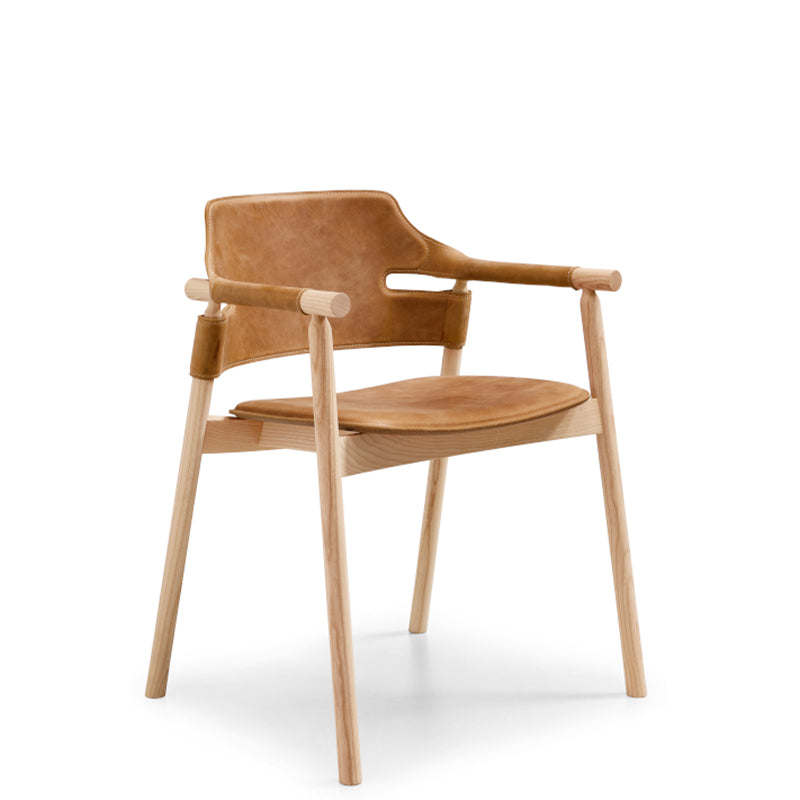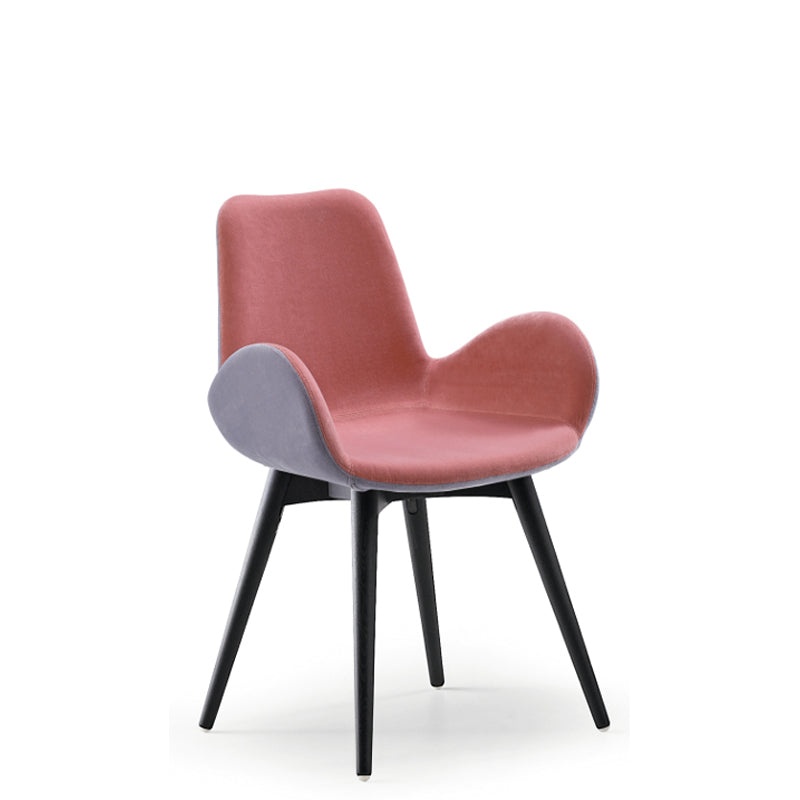
What Does Contract Grade Mean for Restaurant Chairs?
Furniture tells stories. It shapes not just how we see spaces, but how we experience them, particularly in restaurants, where every chair silently contributes to the guest experience.
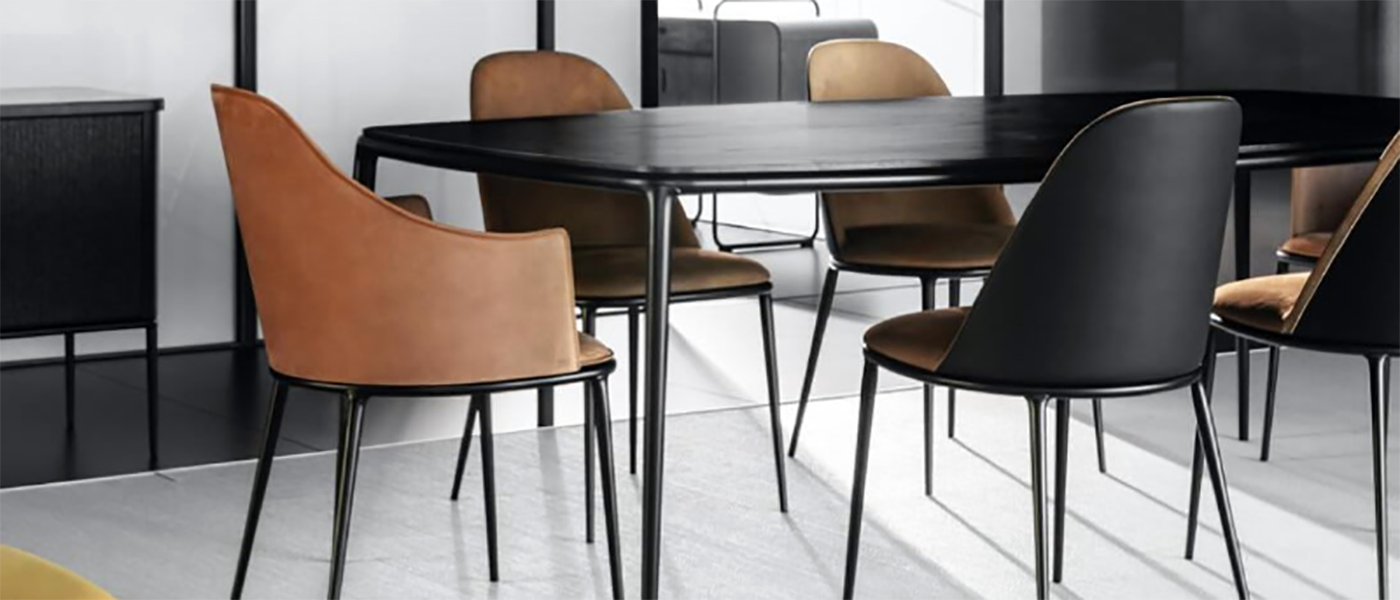
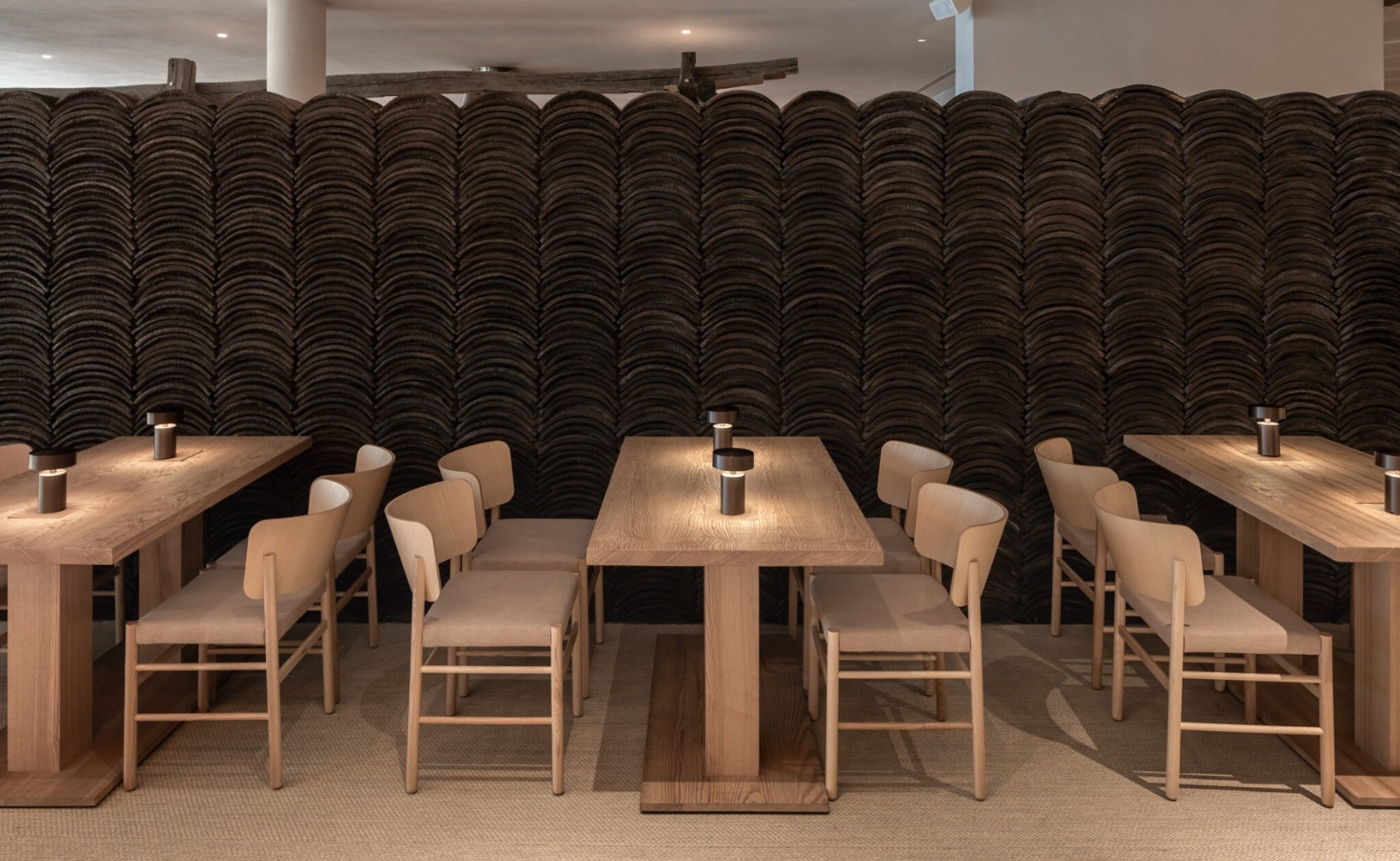
Restaurant chairs are not merely functional items; they're integral to a restaurant’s personality. They speak volumes about quality, taste, and the attention paid to every detail. But beyond aesthetics and immediate appeal, what truly distinguishes exceptional restaurant furniture from the merely adequate? The answer lies in two crucial words: contract grade.
Contract grade is a term frequently used by interior designers, architects, and hospitality experts, but it often leaves restaurateurs and owners curious about what exactly it entails. Is it merely industry jargon, or does it genuinely make a difference in furniture quality and longevity?
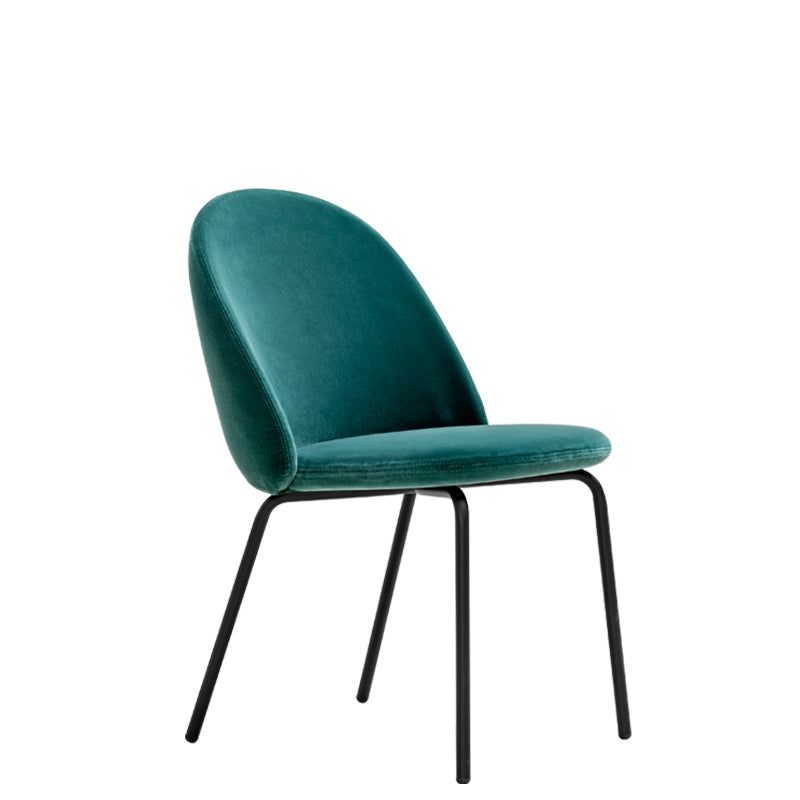
At its core, contract-grade furniture is intentionally designed and rigorously tested to withstand the relentless demands of commercial settings. Unlike residential chairs, crafted for gentle, occasional use, chairs built to contract standards must confidently withstand the daily pressures of bustling dining rooms, packed cafés, and high-use hospitality areas.
Defining Contract Grade Furniture: What You Need to Know
When it comes to commercial interiors, quality isn’t optional; it's essential. Contract-grade furniture must meet rigorous standards defined by authoritative industry bodies such as BIFMA (Business and Institutional Furniture Manufacturers’ Association) and ANSI (American National Standards Institute). These respected certifications guarantee that restaurant chairs will endure daily wear, maintain structural integrity, and deliver consistent performance over years of intensive use.
Specifically, contract-grade chairs undergo intensive evaluations, including:
-
Durability Testing:
Repeated stress tests simulate everyday use, ensuring joints, upholstery, and frames remain secure and comfortable, even after thousands of cycles. This means no loosening joints, worn-out fabrics, or diminished structural stability, even after countless guests have come and gone. -
Load-Bearing Capacity:
Modern dining room chairs that are specifically designed as contract-grade are designed and tested to safely accommodate guests of various weights, far exceeding residential standards. Ensuring a secure, stable seating experience is crucial, particularly in upscale dining environments where comfort and confidence go hand-in-hand. -
Safety and Stability Evaluations:
Stability tests confirm chairs resist tipping and structural failure, ensuring safety even in the busiest dining areas. This provides peace of mind for restaurateurs, reducing liability risks and enhancing guest experiences. In commercial restaurant projects, safety extends beyond furniture testing, where it includes job-site conditions during any projects (e.g., renovations, installations, etc.). Whenever you’re trying to evaluate compliance and/or liability exposure during build-outs, it’s useful to review OSHA construction regulations lawyer information just so you’re fully covered.
Beyond physical resilience, premium contract-grade chairs frequently carry additional specialized certifications such as GREENGUARD or CAL 117, reflecting their safety and environmental advantages. GREENGUARD certification ensures chairs maintain low chemical emissions, improving indoor air quality - particularly significant in hospitality spaces that aim for health-conscious standards. CAL 117 compliance confirms adherence to stringent fire-retardant requirements, another essential feature of furniture used in public settings.
Why Restaurants Should Opt for Contract Grade Chairs
In restaurant design, aesthetics set the first impression, but quality and resilience determine lasting success. Chairs, seemingly simple elements, carry immense influence. They're touched daily by countless guests, endure the hustle and bustle of busy services, and yet must retain their refined presence through it all. This is precisely why discerning restaurateurs, interior designers, and commercial procurement teams consistently opt for contract-grade chairs.
But beyond merely surviving daily wear, contract chairs offer distinct advantages, ensuring your investment remains visually impressive and structurally sound through years of heavy use.

Durability and Longevity Tailored to High-Traffic Restaurant Environments
The demands placed on restaurant furniture go beyond standard residential use. Chairs must survive continuous stress - from frequent repositioning and heavy cleaning to accommodating guests of various sizes and habits. Residential-grade chairs, while appealing, simply aren't engineered to withstand these conditions.
Contract-grade chairs, however, are built precisely for this challenge. They're crafted from carefully selected, high-performance materials including welded steel, reinforced wooden frames, dense foam cushioning, and stain-resistant textiles. Every component is rigorously tested to ensure each chair remains stable and attractive, even after years of use.
Cost-effectiveness and Reduced Maintenance Requirements
Choosing furniture for restaurants involves strategic financial considerations. Although contract-grade chairs typically require a higher initial investment than residential options, the overall cost-efficiency quickly becomes apparent.
Here’s why contract chairs represent a smart financial decision:
-
Lower Replacement Frequency:
Thanks to exceptional durability, contract chairs rarely require replacement. This dramatically reduces long-term expenditures, ensuring that your investment delivers ongoing returns for years. -
Simplified Maintenance:
Contract-grade chairs are designed with practicality in mind, often featuring stain-resistant fabrics and finishes that repel liquids and oils. This simplifies daily cleaning routines, reducing labor costs and keeping chairs looking pristine without extensive care. -
Warranty Coverage:
Reputable contract furniture brands typically offer comprehensive warranties covering commercial use. This provides peace of mind, knowing your investment is protected, further enhancing long-term cost-effectiveness.
Ultimately, contract-grade chairs aren’t just an expense; they're a strategic choice that pays off continually, offering tangible financial and operational advantages.
Enhanced Guest Comfort and Satisfaction
Guest comfort is paramount in hospitality settings, significantly influencing customer satisfaction, return visits, and positive reviews. Contract chairs aren’t merely durable; they’re thoughtfully designed to deliver exceptional comfort.
High-quality brands prioritize ergonomics, using meticulous design processes to ensure each chair comfortably supports guests throughout extended meals. Carefully angled seatbacks, optimized seat heights, and cushioned seating ensure comfort that guests instinctively appreciate. By investing in contract-grade chairs, restaurants subtly encourage diners to linger longer, positively influencing overall dining experiences and boosting satisfaction levels.

Spotlight on Three Premier Italian Brands for Contract Quality Chairs
When it comes to contract quality chairs that seamlessly blends enduring elegance, practical resilience, and contemporary aesthetics, Italian brands consistently set the benchmark. Let’s explore three iconic manufacturers - Billiani, Lapalma, and Midj, each exemplifying refined craftsmanship tailored specifically for demanding restaurant and hospitality settings.
Billiani: Timeless Craftsmanship Meets Contract-Grade Excellence
Billiani masterfully fuses more than a century of Italian woodworking heritage with rigorous contract-grade testing standards, creating chairs that exude sculptural beauty while effortlessly withstanding everyday use. Each design is precision-tested to ensure exceptional stability, comfort, and durability.
Featured Bestselling Chairs:
Frisée Chair
Designer: Cristina Celestino
The Frisée Chair captures attention with its playful yet sophisticated silhouette. Crafted from solid beech or ash, this piece offers optional upholstery or a wooden shell, complemented by felt-pad glides to protect flooring. Originally designed for contract use, Frisée combines strength with visual softness, making it an inviting yet dependable choice for upscale dining spaces and stylish lounges alike.
Fleuron Dining Chair
Designer: Constance Guisset
Fleuron is an elegant architectural statement. Its solid-wood construction, ergonomic grafted backrest pad, and carefully upholstered seat reflect Billiani’s meticulous joinery. This chair is specifically engineered for heavy-duty use in sophisticated restaurant environments, combining artistry with enduring resilience.
W Collection Armchair 603
Designer: Fabrizio Gallinaro
Gallinaro’s contemporary interpretation of the iconic Windsor chair, this armchair is beautifully constructed in beech or ash wood. Its refined spindle back, optional seat cushion, and reassuring warranty underline its suitability for contract environments, where style and strength must coexist effortlessly.
Lapalma: Minimalist Sophistication, Built to Last
Lapalma excels at crafting chairs that embody minimalist aesthetics and practical functionality, integrating sustainable practices and materials. Each Lapalma chair is engineered with lightweight yet robust components, making it ideally suited for modern, fast-paced dining and hospitality spaces.
Featured Chairs:
Seela Stackable Chair – Quickship
Designer: Antti Kotilainen
Versatile and sophisticated, the Seela chair features a polypropylene shell or oak-wood seat pad supported by a powder-coated steel frame. It stacks up to eight chairs high, ships quickly within 1–2 weeks, and is perfect for stylish yet demanding restaurant environments.
Pass Sled Base Dining Chair
Designer: Hee Welling
Graceful and ergonomically contoured, the Pass chair provides luxurious comfort via its fully upholstered design available in fabric or leather. It's available in a variety of upholstery options to facilitate effortless maintenance, and a sturdy sled-steel base ensures both stability and elegance in restaurant dining rooms or hospitality settings.
Fedra Dining Chair
Designer: Leonardo Rossano
Fedra is a celebration of minimalist form combined with Nordic warmth. Crafted from molded plywood available in blanched oak or black open-pore finishes, its gracefully curved backrest provides ergonomic comfort. Optional upholstery makes this chair adaptable for corporate dining, cafés, or contemporary restaurant interiors.
Midj: Ergonomic Comfort Meets Soft Italian Design
Midj embraces its distinctive “soft design” philosophy, emphasizing ergonomic shapes, premium materials, and comprehensive CATAS or EN testing for abrasion resistance, structural fatigue, and long-term durability.
Featured Bestselling Chairs:
Apelle S M CU Side Chair
Designer: Beatriz Sempere
Elegantly enveloping, the Apelle Side Chair’s top-grain leather seat combines timeless comfort with a sturdy sled-steel base. Its robust lacquered frame and resilient hide upholstery make it especially suitable for rigorous commercial applications, effortlessly balancing flexibility with structural integrity.
Wrap S M TS Dining Chair
Designer: Balutto Associati
True to its name, the Wrap Dining Chair features a sculptural backrest that comfortably embraces guests. Supported by a durable lacquered metal frame and available in a wide selection of customizable fabrics, faux leathers, or luxurious velvets, this chair effortlessly combines aesthetic elegance with practical durability, suitable for chic dining environments.
Sonny S M TS Q Side Chair with Steel Frame
Midj’s Sonny series brings modern flair to restaurant seating. This chair’s square tubular steel base provides dependable stability, while its extensive upholstery options, including COM (customer’s own material), ensure versatility. The replaceable cover system and lightweight build enhance portability and ease of maintenance, ideal for dynamic hospitality spaces.
Beyond Dining: Contract Grade Tables, Conference Room Chairs, and Waiting Room Furniture That Complete the Space
To craft a cohesive, high-performing commercial space, you’ll want contract-grade furniture beyond just chairs. Modern restaurant and commercial environments benefit from furniture suites that all uphold the same durability and design quality.
-
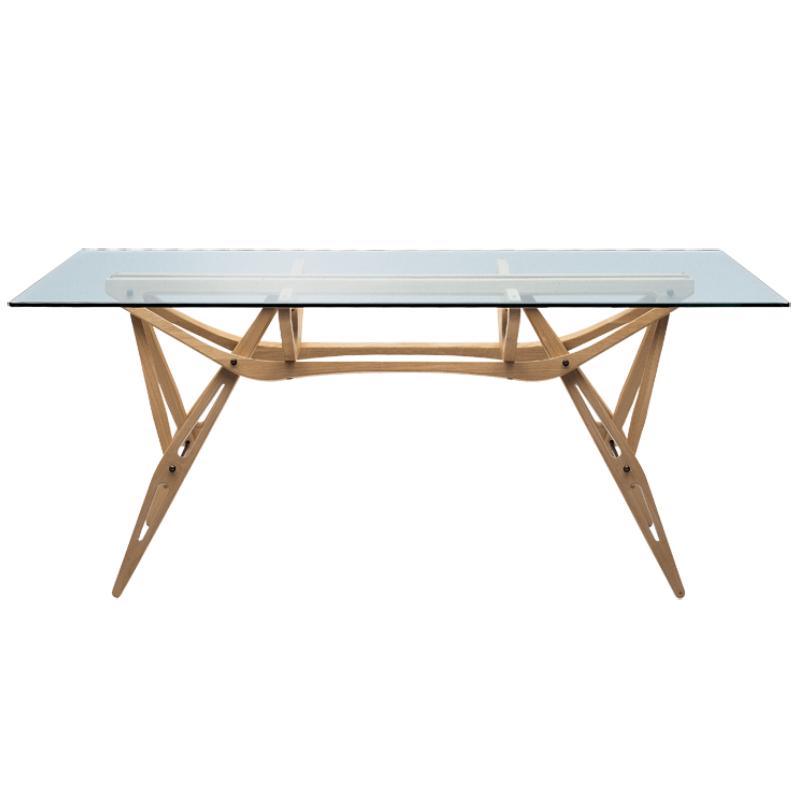
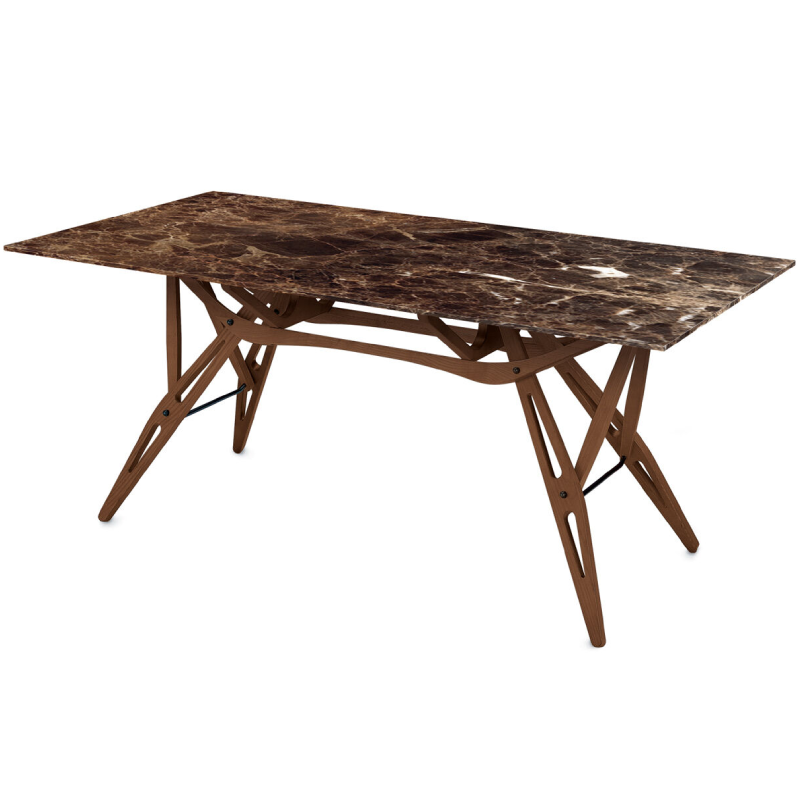
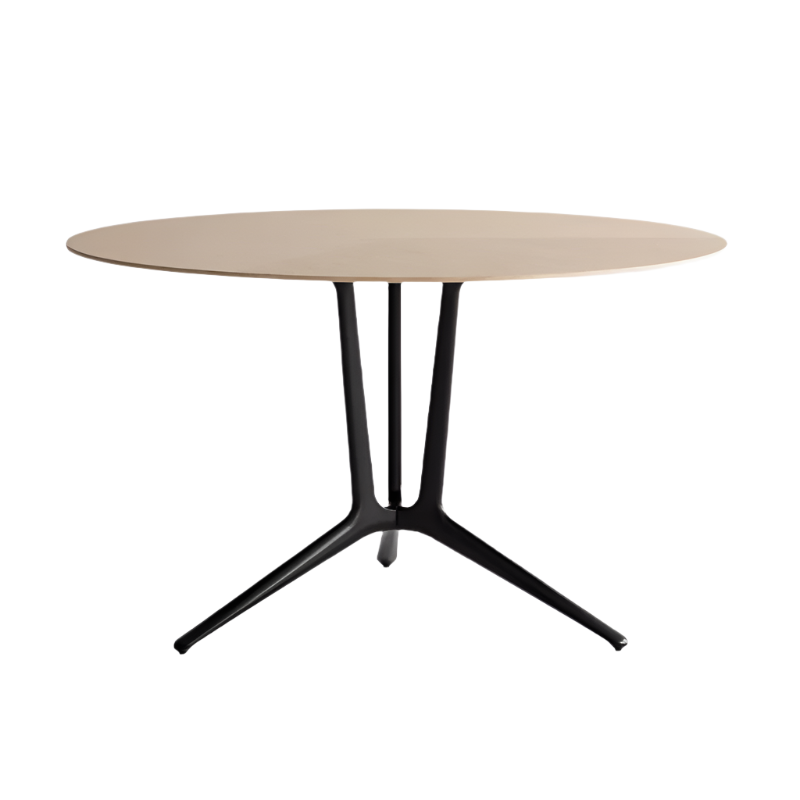
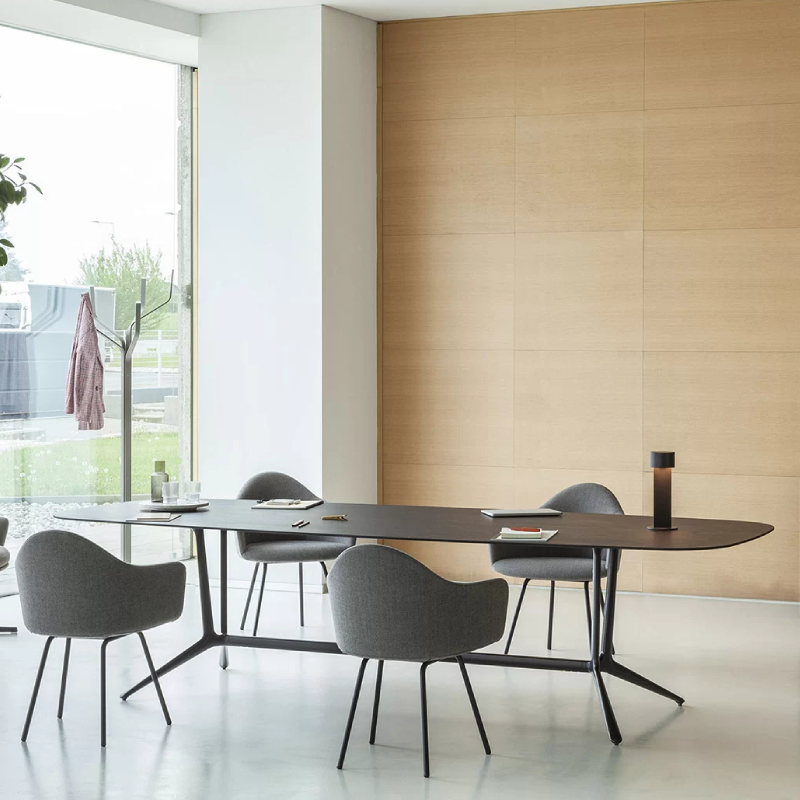
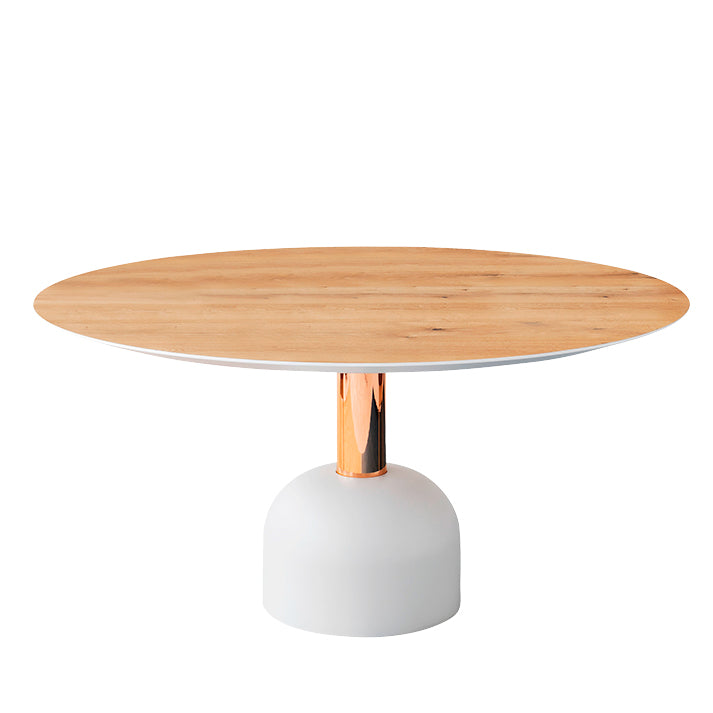
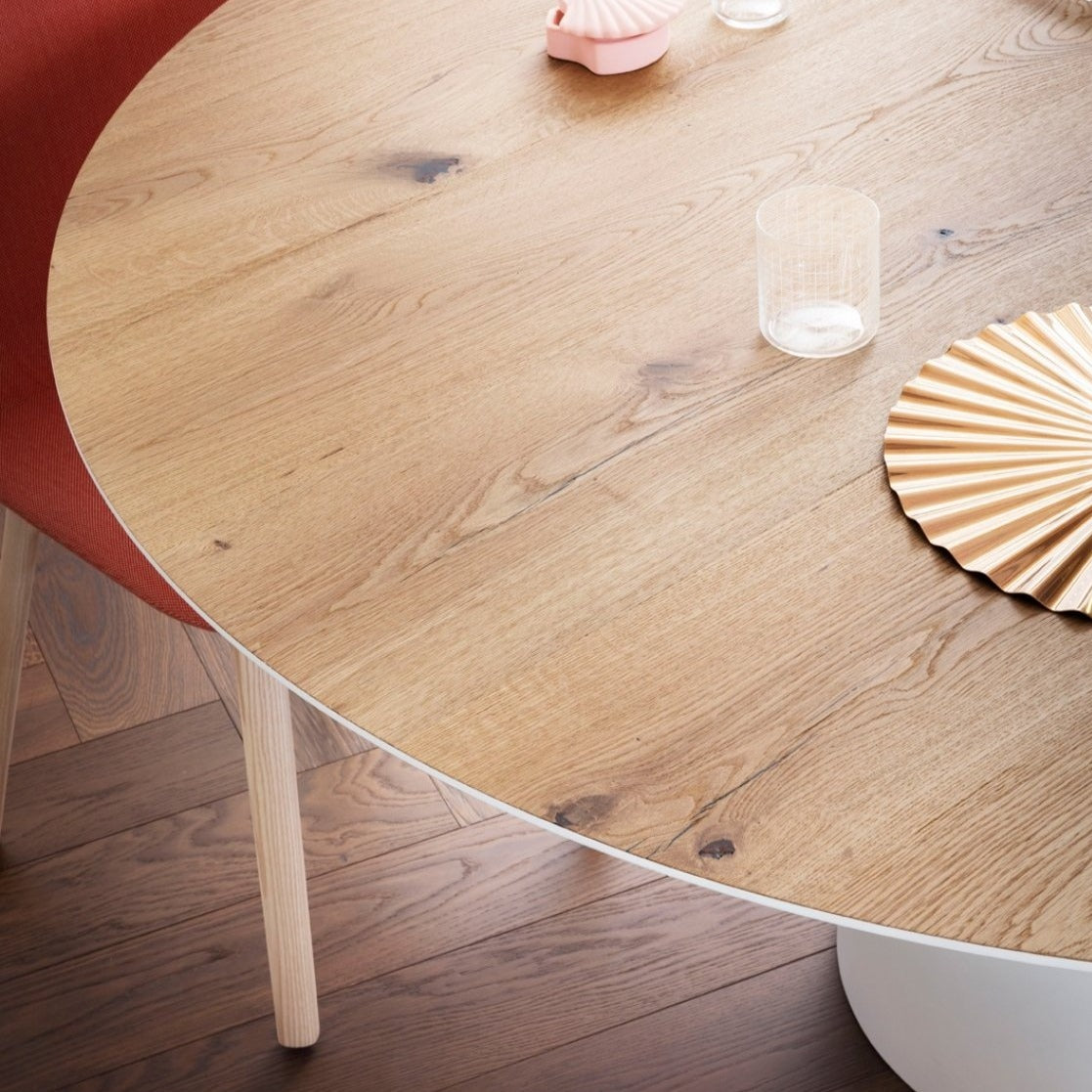
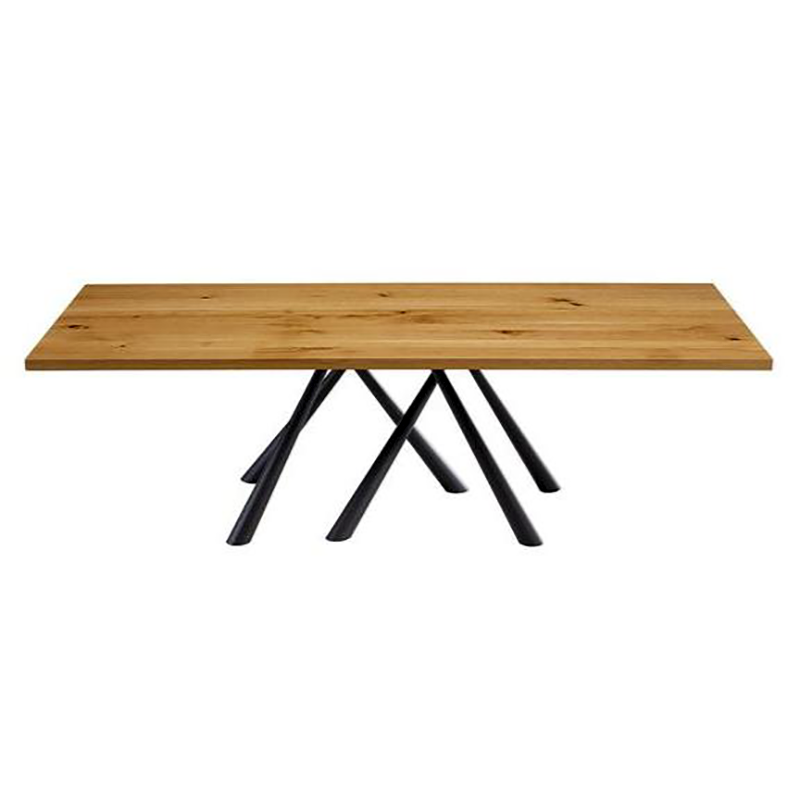
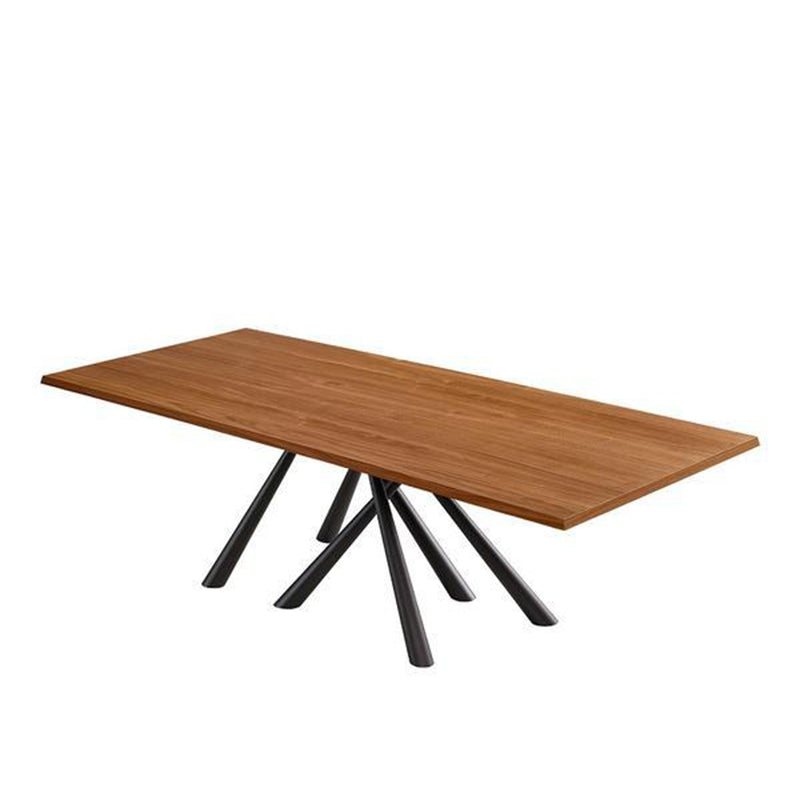
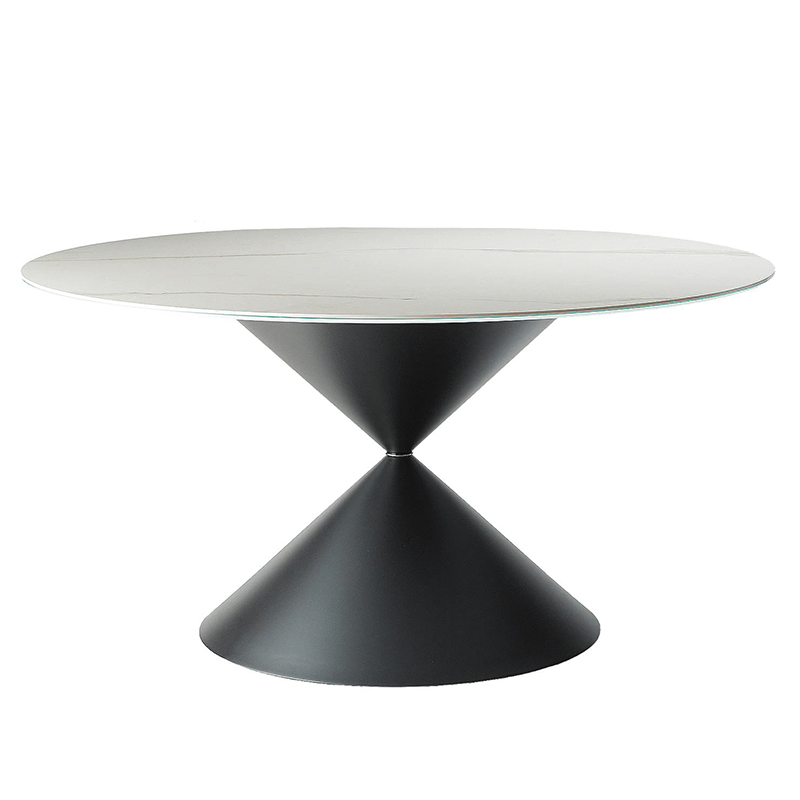
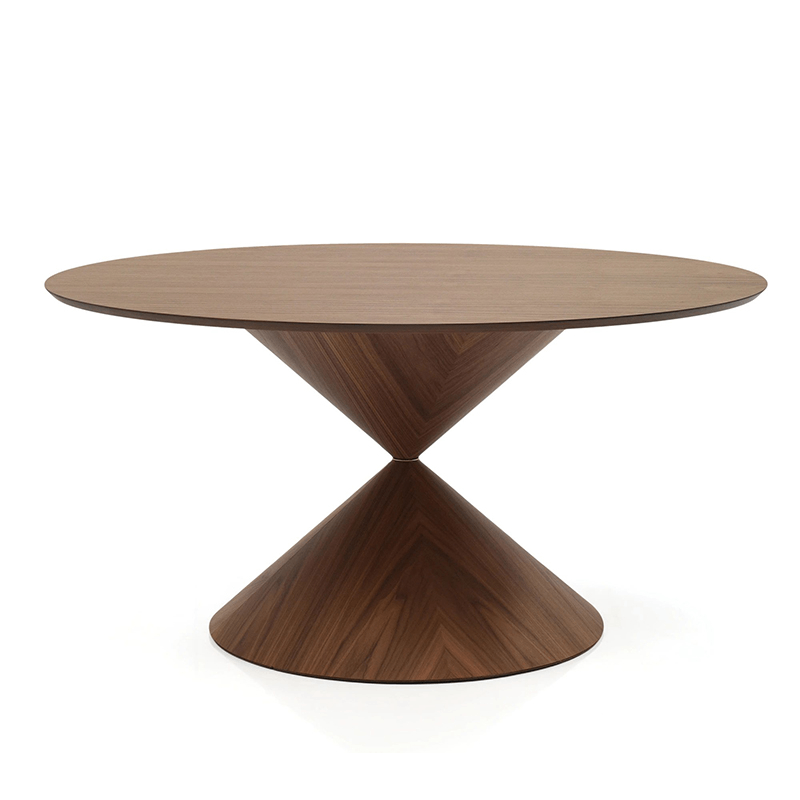
Tables: Contract-grade dining and bar tables from Italian brands often feature powder-coated steel, solid wood, or performative laminates. These surfaces resist scratches, stains, and daily wear, pairing seamlessly with contract restaurant chairs.
-
Waiting Room Furniture: Seating designed for high-traffic lounges or foyers offers cushioned comfort and robust upholstery. These pieces match contract chair quality and often feature GREENGUARD or fire‑rated finishes.
-
Conference Room Seating: Ergonomic, contract-grade conference seating complements dining furniture to ensure consistent form and function across private dining or meeting areas.
How to Select the Right Contract Grade Furniture for Your Restaurant
In the past, contract-grade chairs might have signified only practicality - pieces built purely for functionality. Today, however, these chairs are stylish, luxurious, and meticulously designed, effortlessly elevating the dining experience.
Choosing contract-grade chairs for your restaurant isn't merely about meeting functional requirements. It's about intentionally crafting a space that speaks to guests through quality, comfort, and thoughtfully curated design. It’s a subtle yet powerful expression of care and attention, communicating your establishment's commitment to excellence from the moment your guests sit down.
When sourcing contract furniture, follow these procurement best practices:
-
Evaluate Design Compatibility
Align furniture aesthetics with your brand and interior style, whether that’s minimal contemporary, warm rustic, or eclectically refined. -
Review Testing and Certifications
Prioritize BIFMA and ANSI-rated chairs and tables. Also, verify GREENGUARD and CAL 117 certification to ensure low chemical emissions and fire safety - key for hospitality settings. -
Consider Maintenance and Warranty
Choose upholstery and finishes that resist stains, spills, and heavy-use cleaning. Confirm warranties support commercial use; reliable brands offer multi-year structural and surface guarantees.
Conclusion: Why Investing in Contract Grade Chairs Matters
In hospitality, the subtle choices are often the most impactful, and chairs, particularly those of contract grade, are no exception. While initially seen as a practical necessity, contract-grade furniture has transformed into a strategic investment, one that promises long-lasting quality, enhanced guest satisfaction, and meaningful financial benefits.
Q&A Section: Commonly Asked Questions About Contract Grade Furniture
-
Is contract grade cheaper?
Not upfront, but it is more cost-effective over time. Contract-grade furniture often has a higher initial price point due to enhanced materials, stricter construction standards, and third-party testing. However, its longevity and reduced maintenance needs mean fewer replacements, lower repair costs, and minimal disruption to business operations. In the long run, it often saves money compared to lower-grade alternatives.
-
How does contract grading work?
Contract grading is a standardized testing process that ensures furniture meets commercial-use requirements. Products are submitted to certified testing agencies such as BIFMA, ANSI, or CATAS, where they undergo rigorous evaluations for load endurance, impact resistance, fire safety, and more. Only pieces that meet or exceed these standards are considered contract grade, making them suitable for high-traffic settings like restaurants and lounges.
-
What are the cons of contract grading?
While contract-grade furniture excels in durability and function, there are a few trade-offs to consider:
-
Higher upfront investment due to premium materials and testing
-
Fewer hyper-decorative designs, though design-forward brands are changing that
-
Heavier construction, making some pieces less portable
-
Longer lead times for made-to-order finishes or upholstery
For commercial settings, these drawbacks are usually outweighed by the long-term benefits.

Written by Noah Redwood
Noah Redwood is a lifestyle blogger and content creator known for his discerning eye and intuitive sense of design. With years of experience exploring the world of luxury furniture and home décor, he has a rare ability to recognize what makes a piece truly exceptional, in form, proportion, and detail. His work celebrates the art of seeing, helping readers recognize the nuances of great design.