


Geometric Rugs
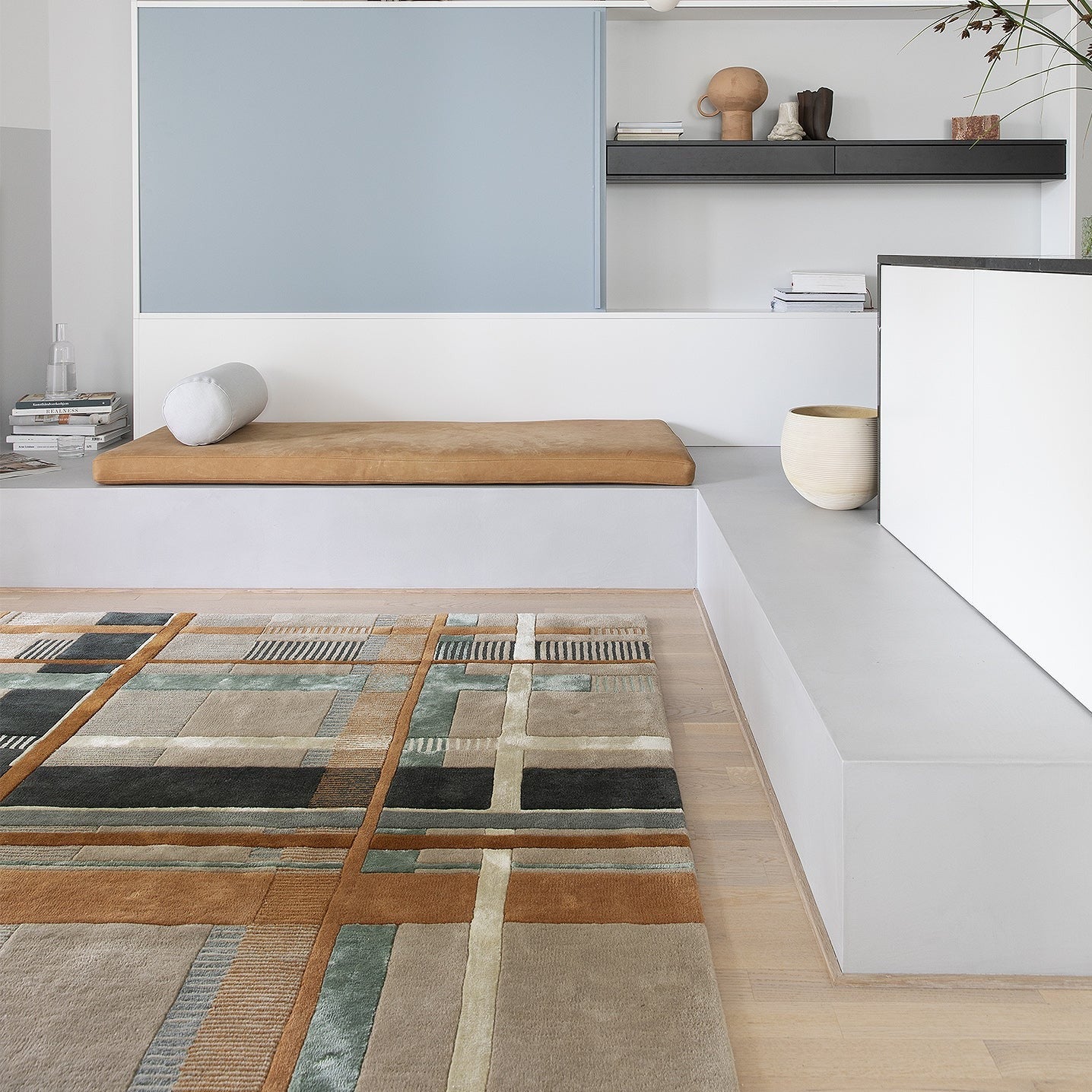
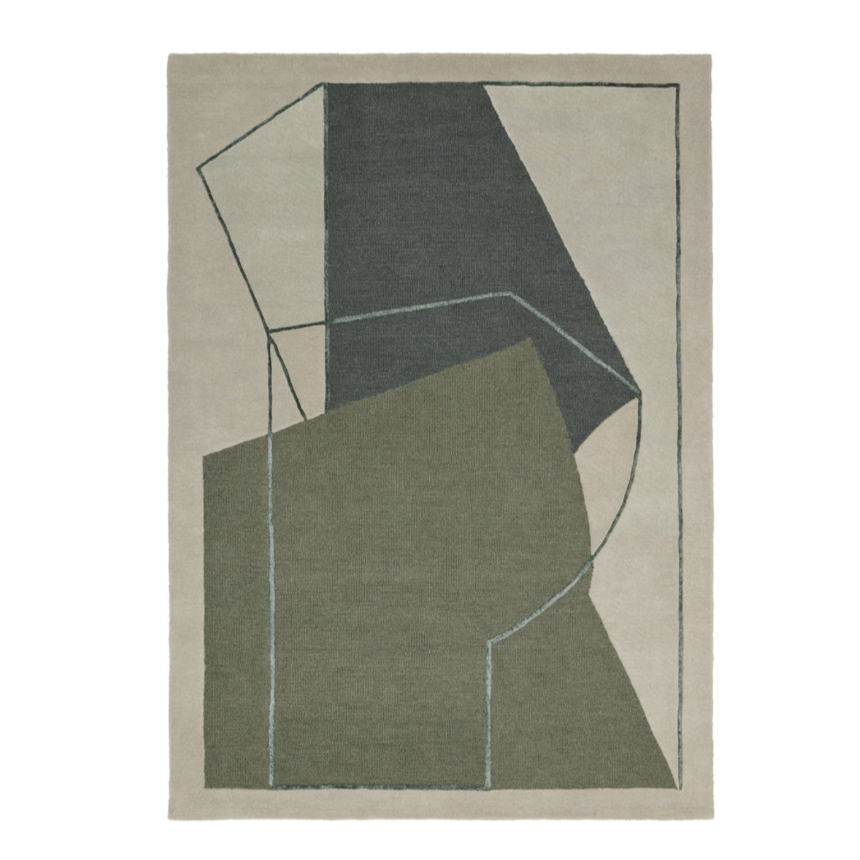
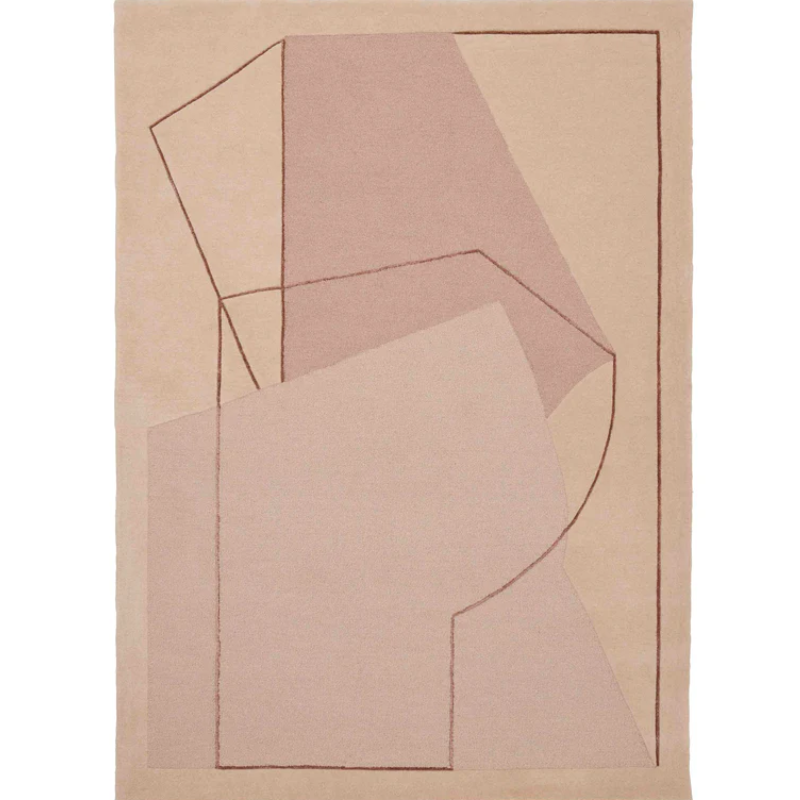
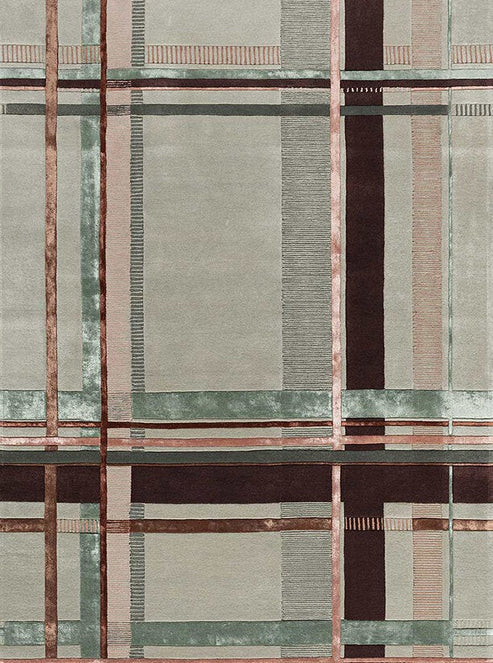
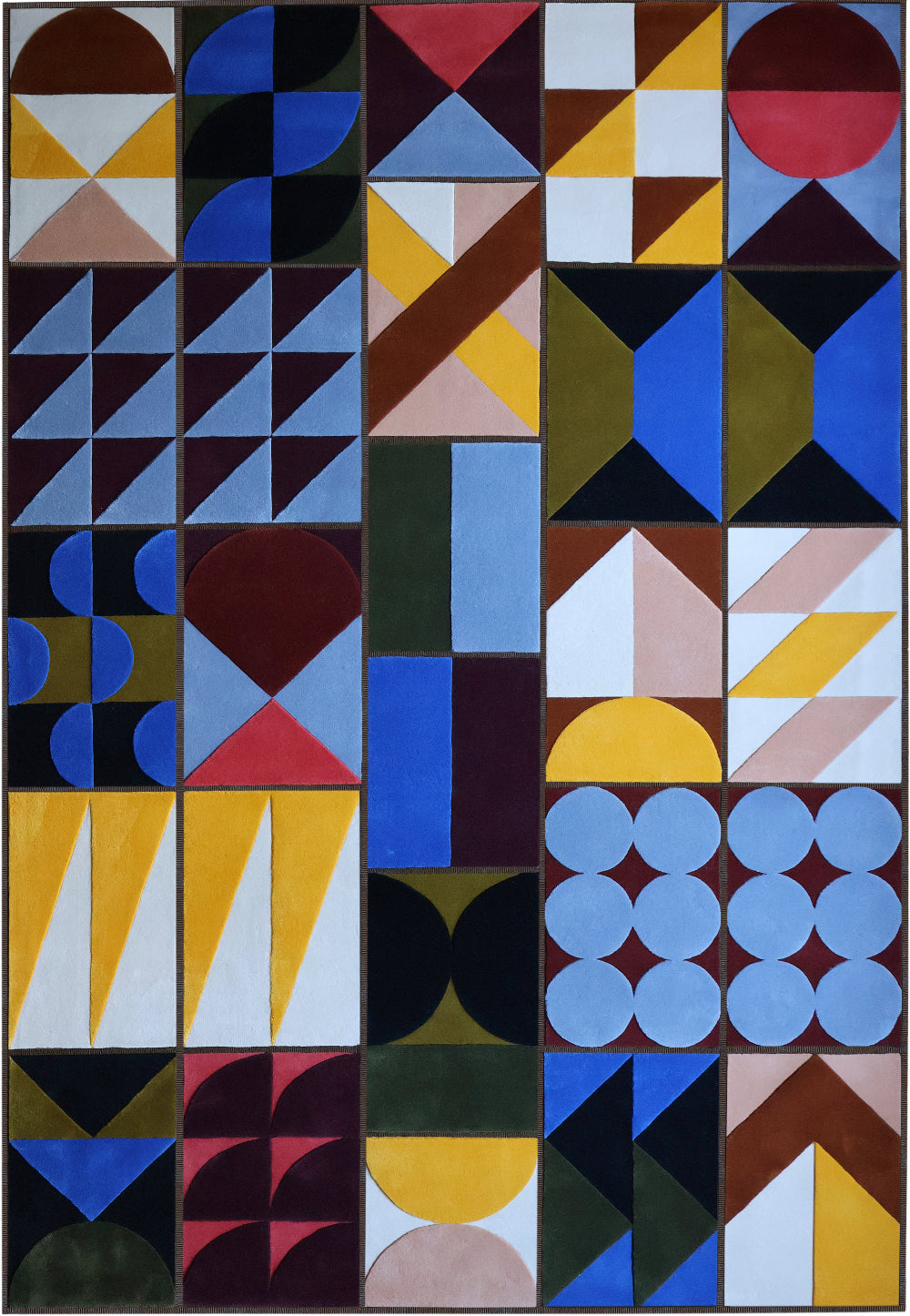
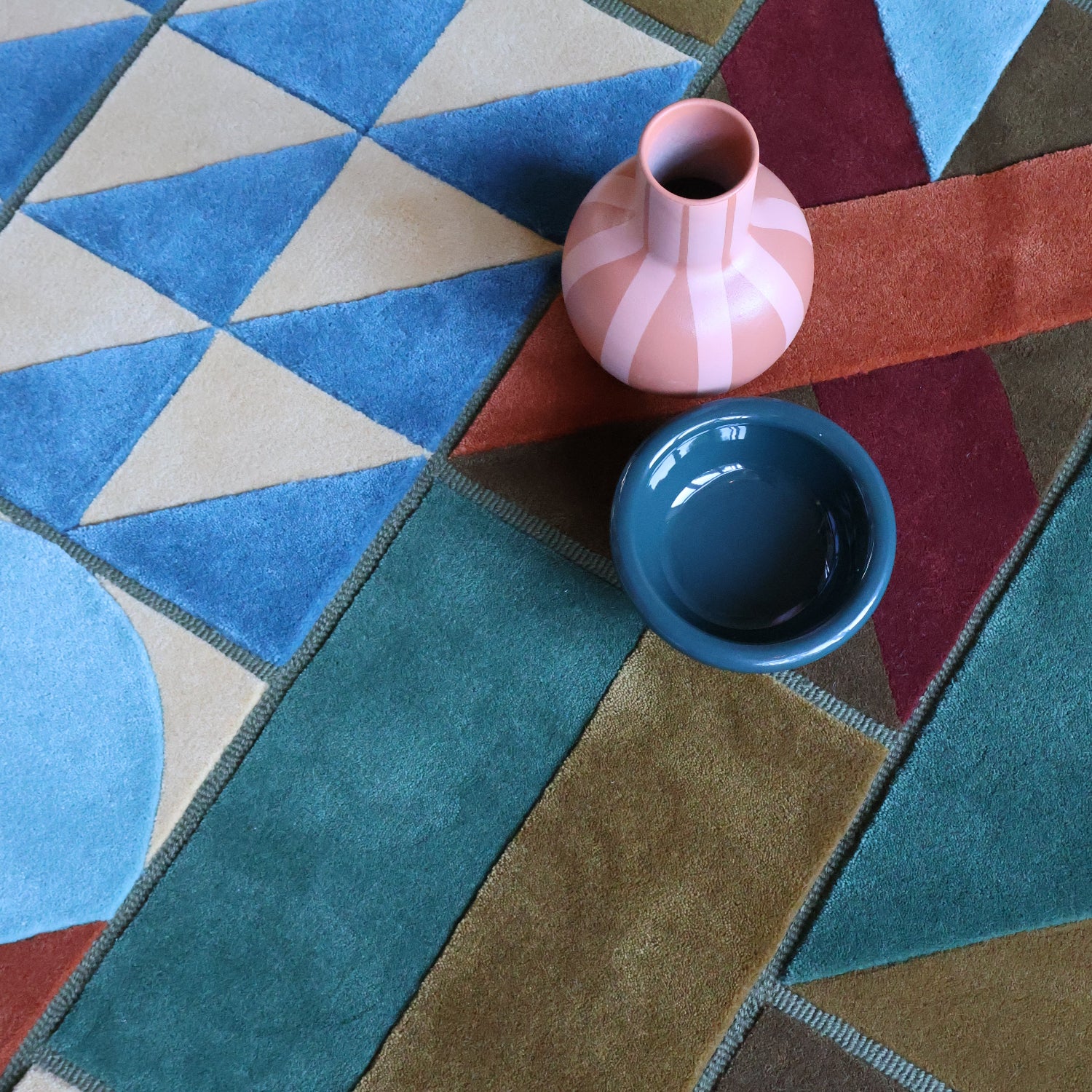
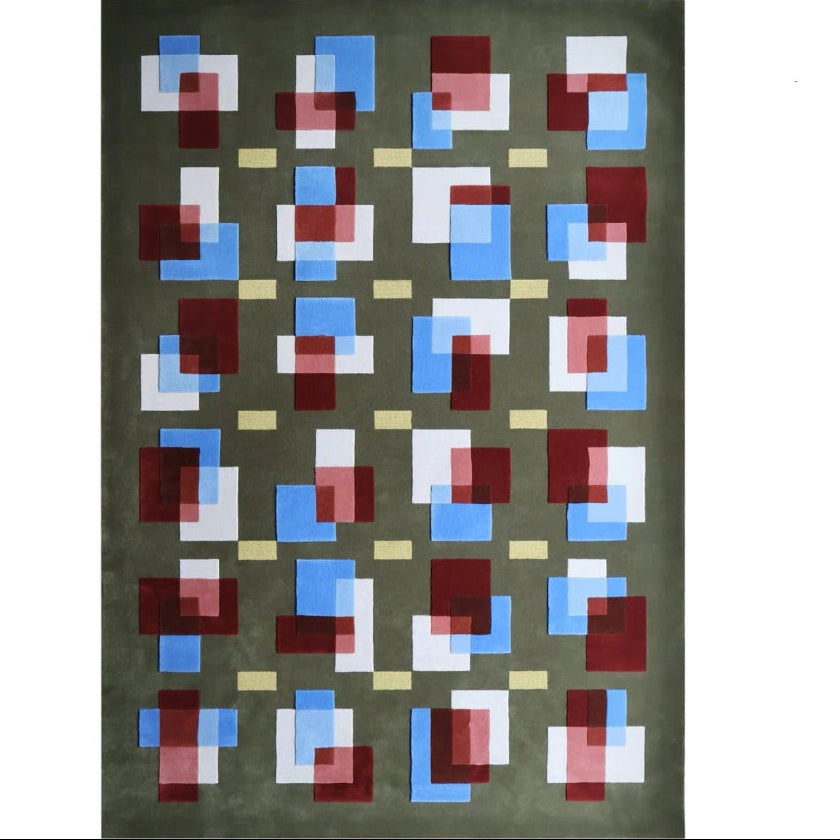

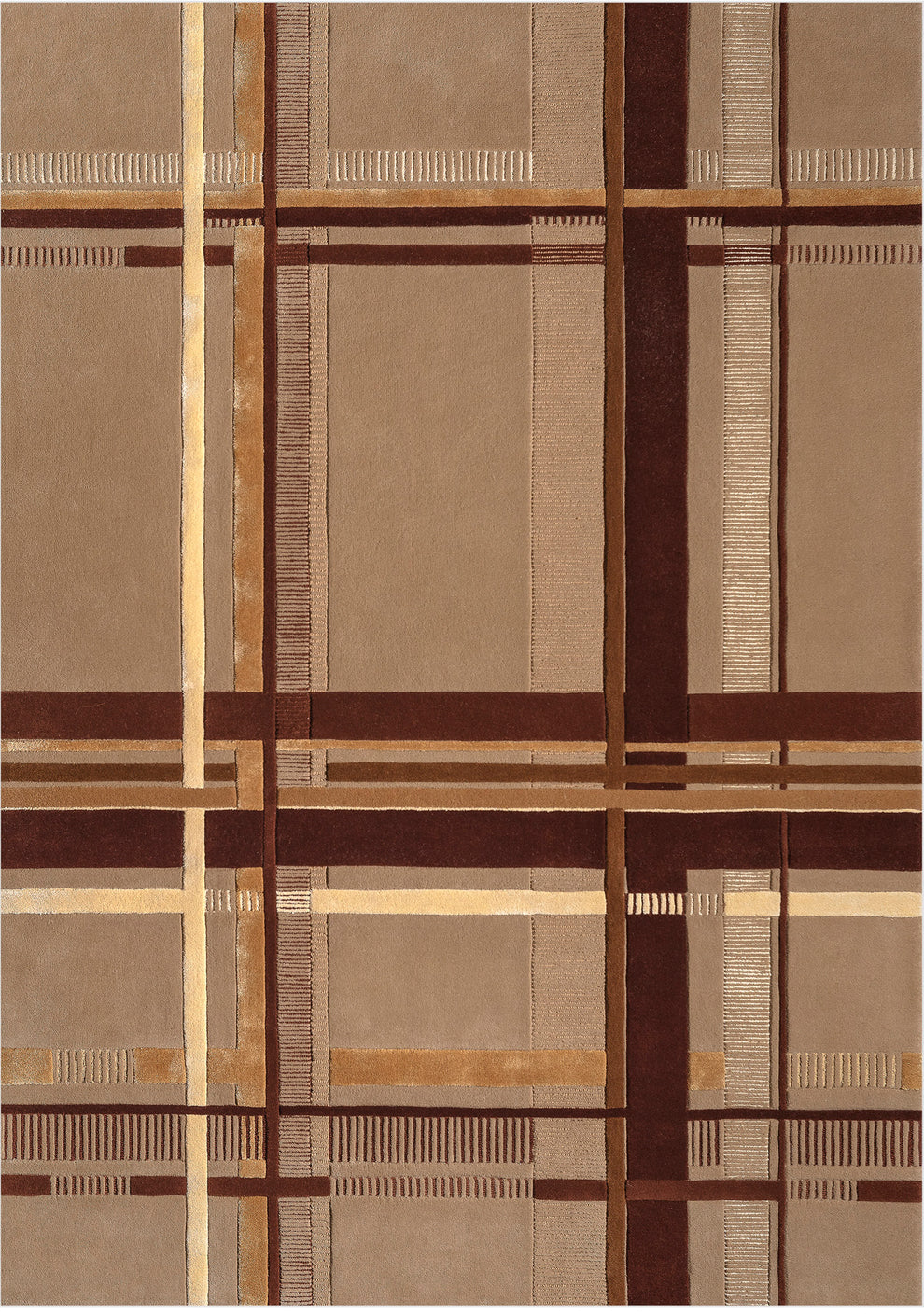
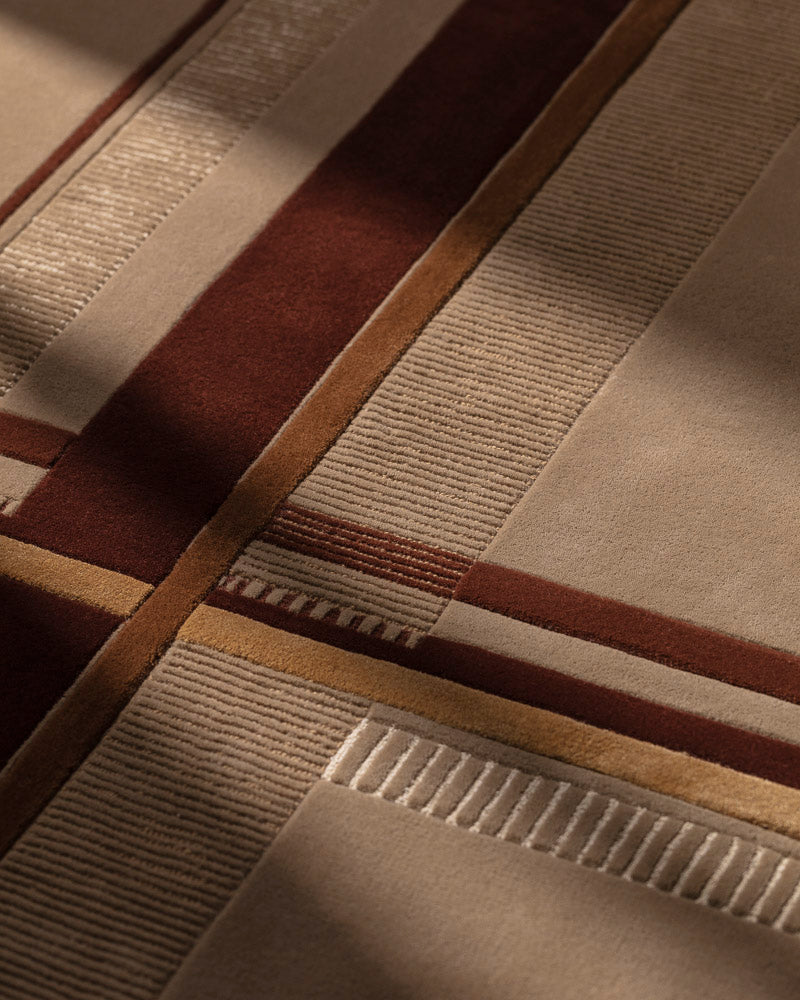
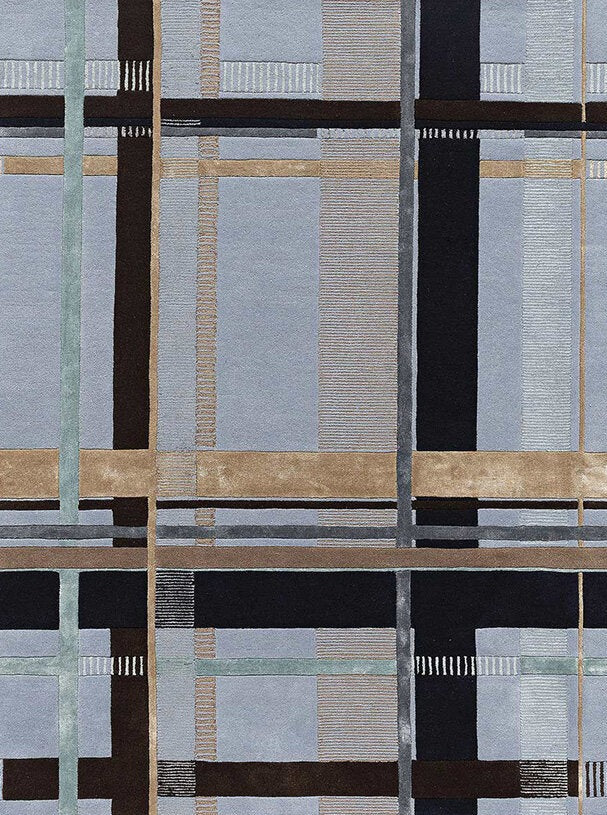
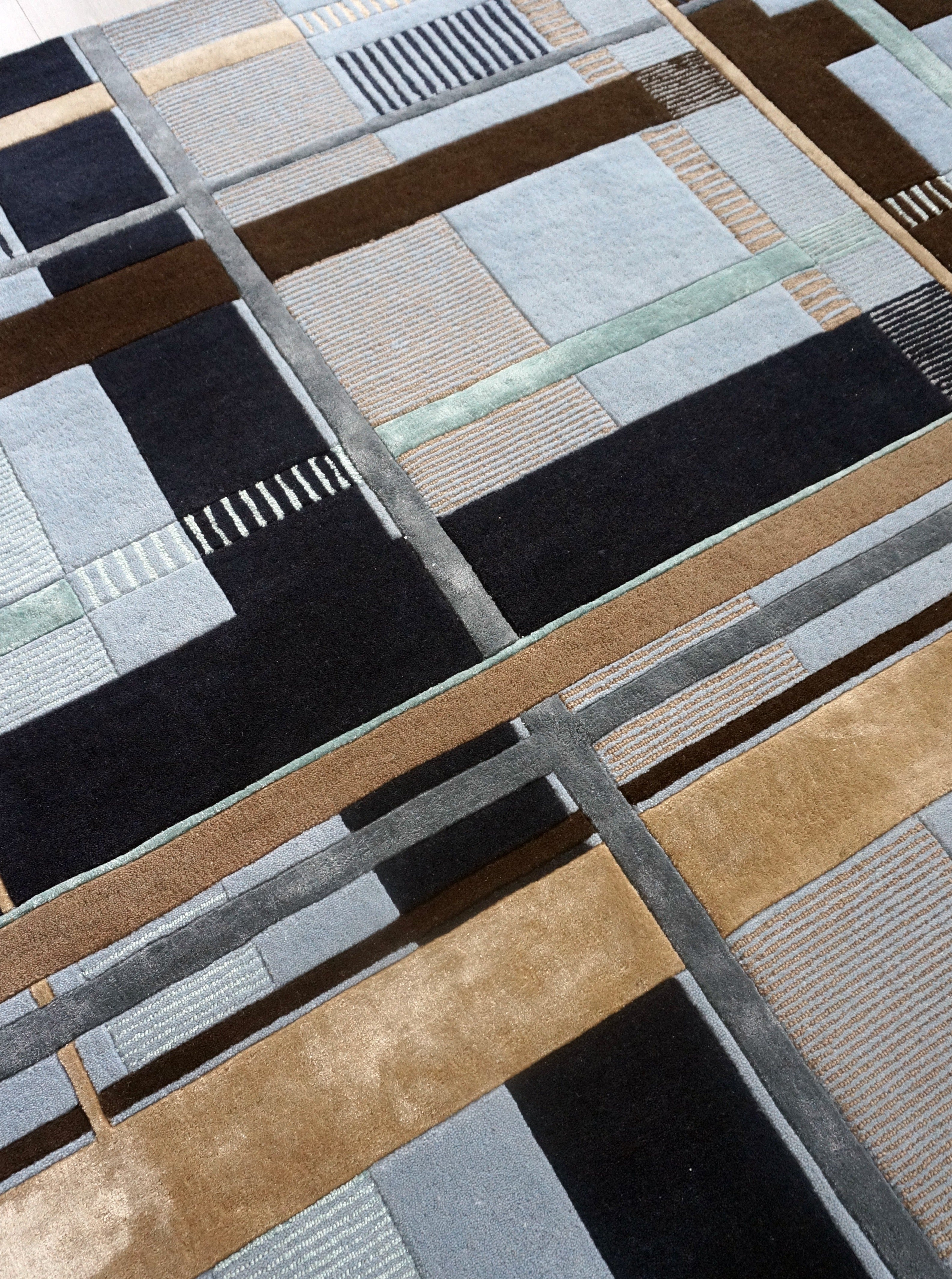
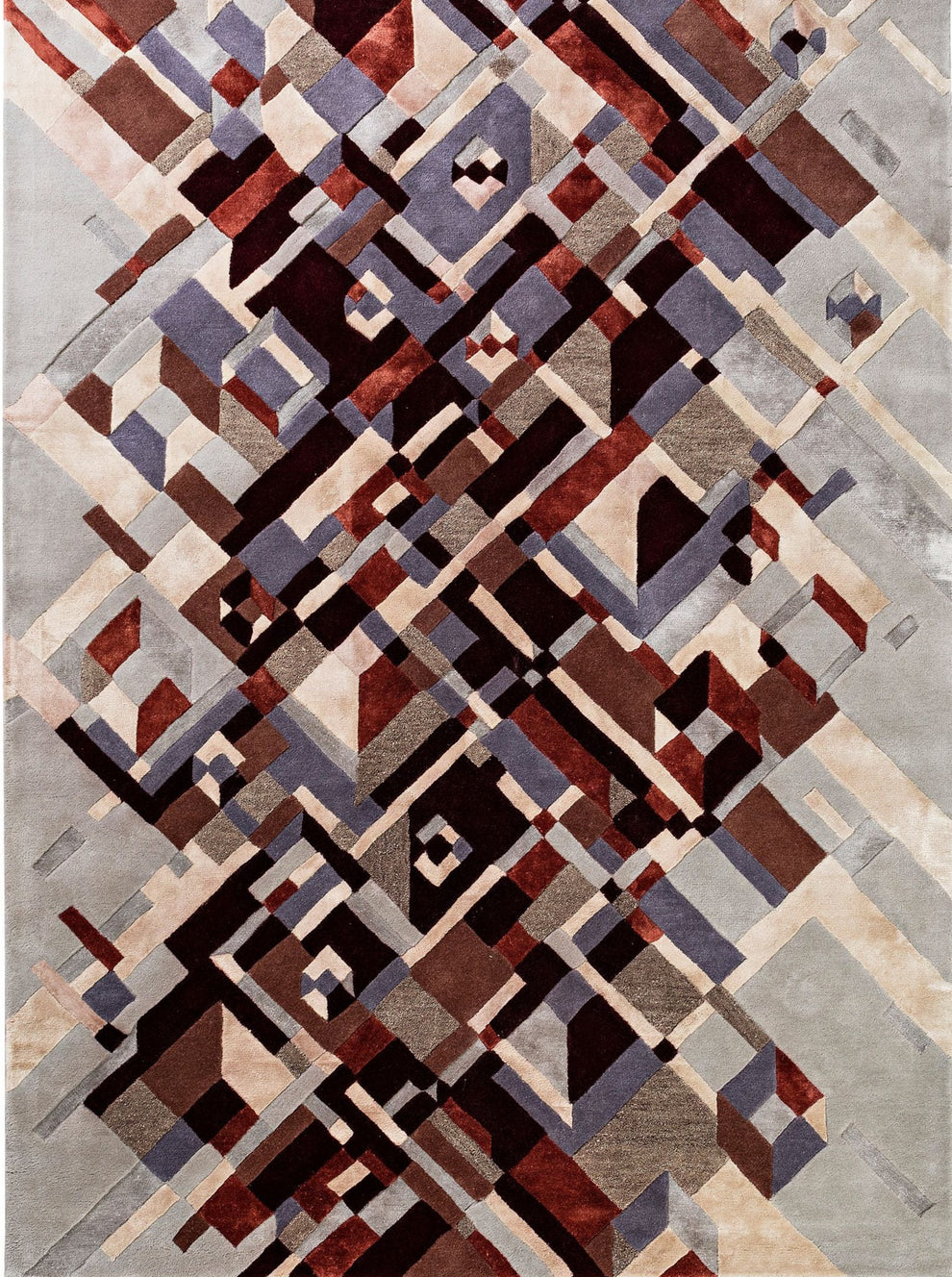


A Guide to Geometric Rugs and Mid Century Patterns
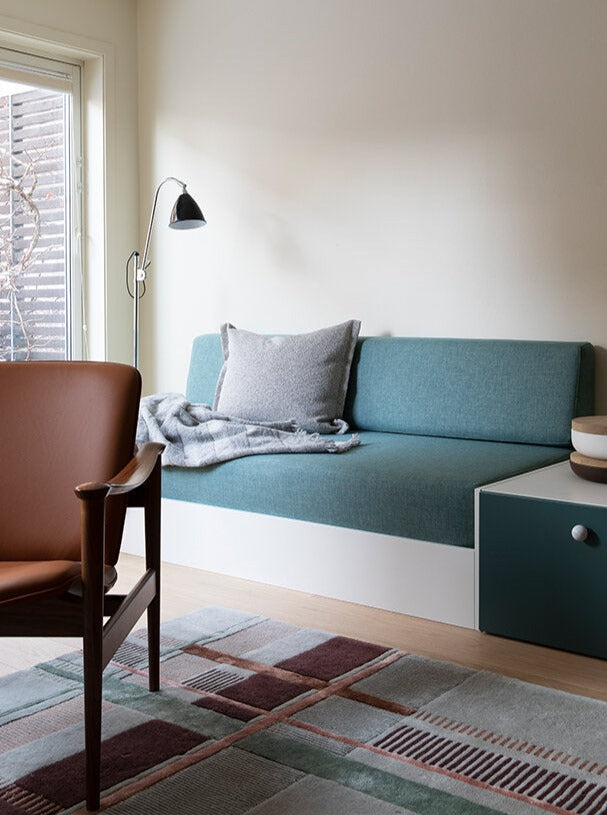
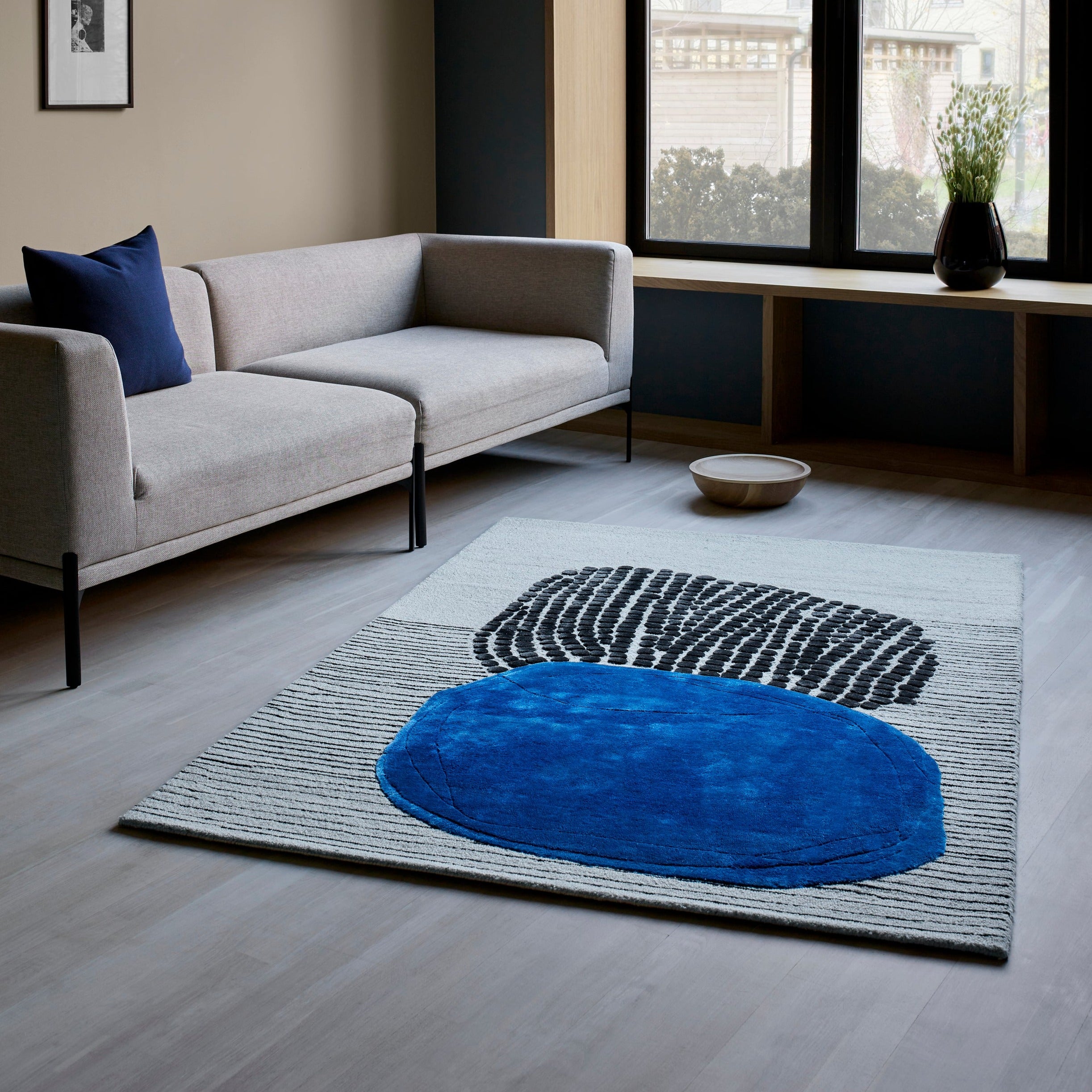
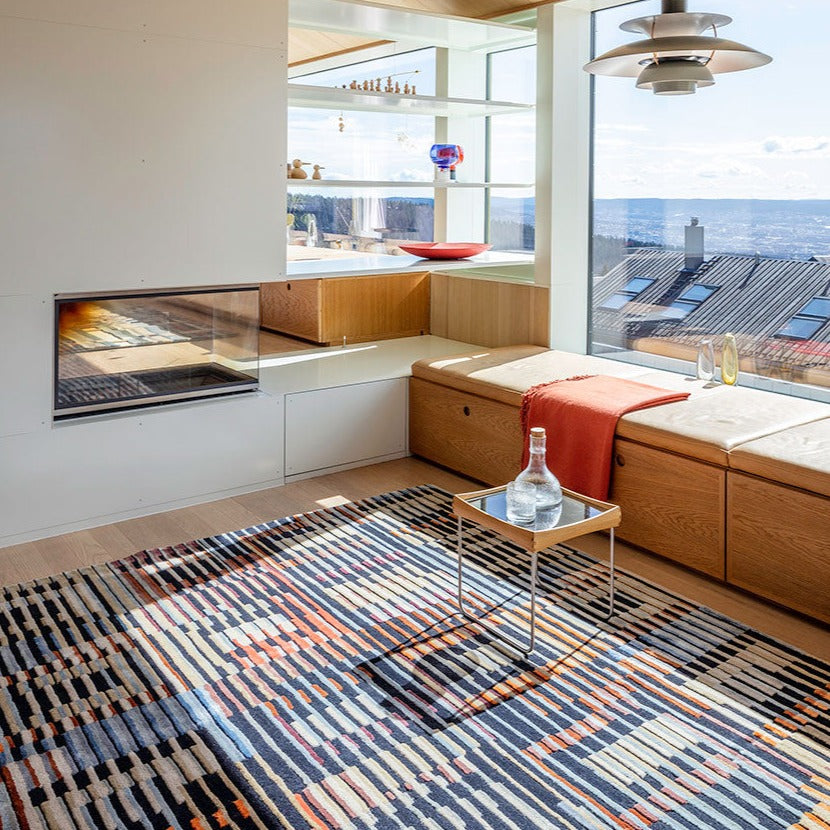
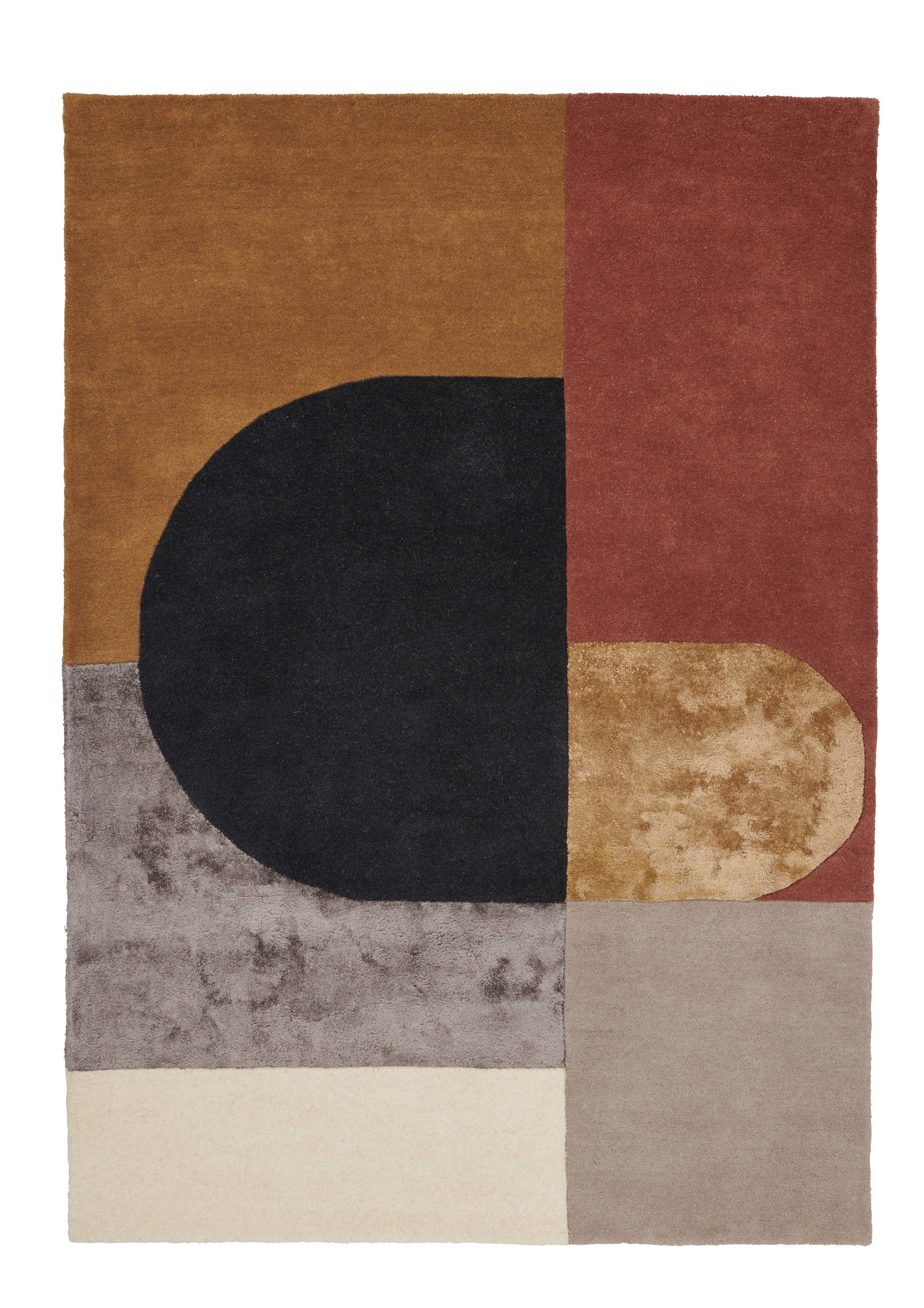
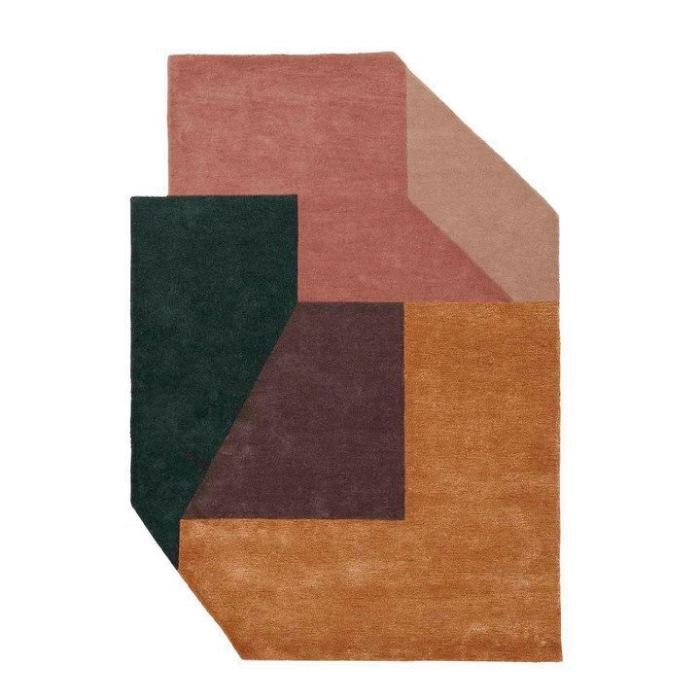
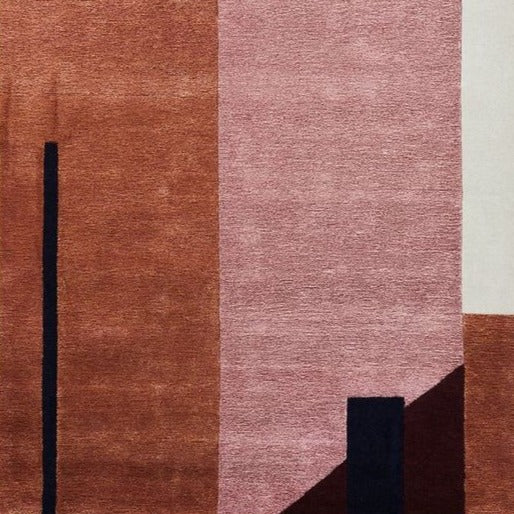
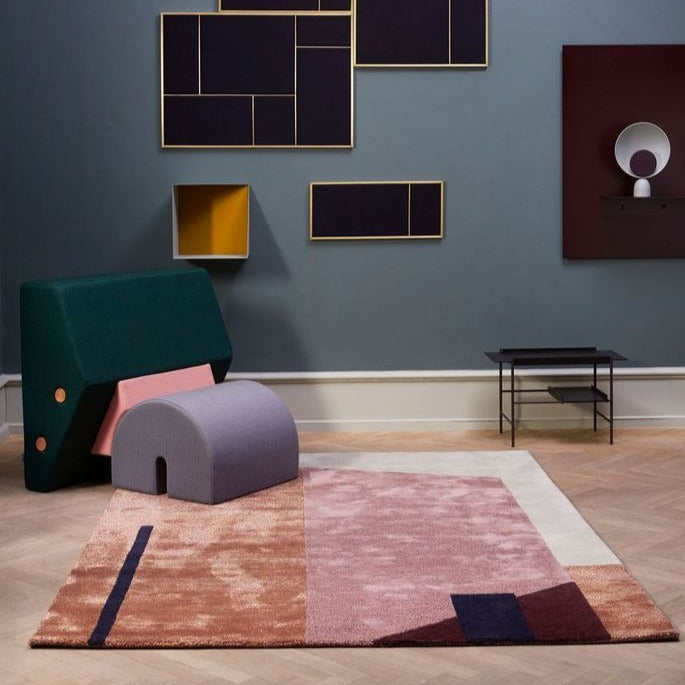
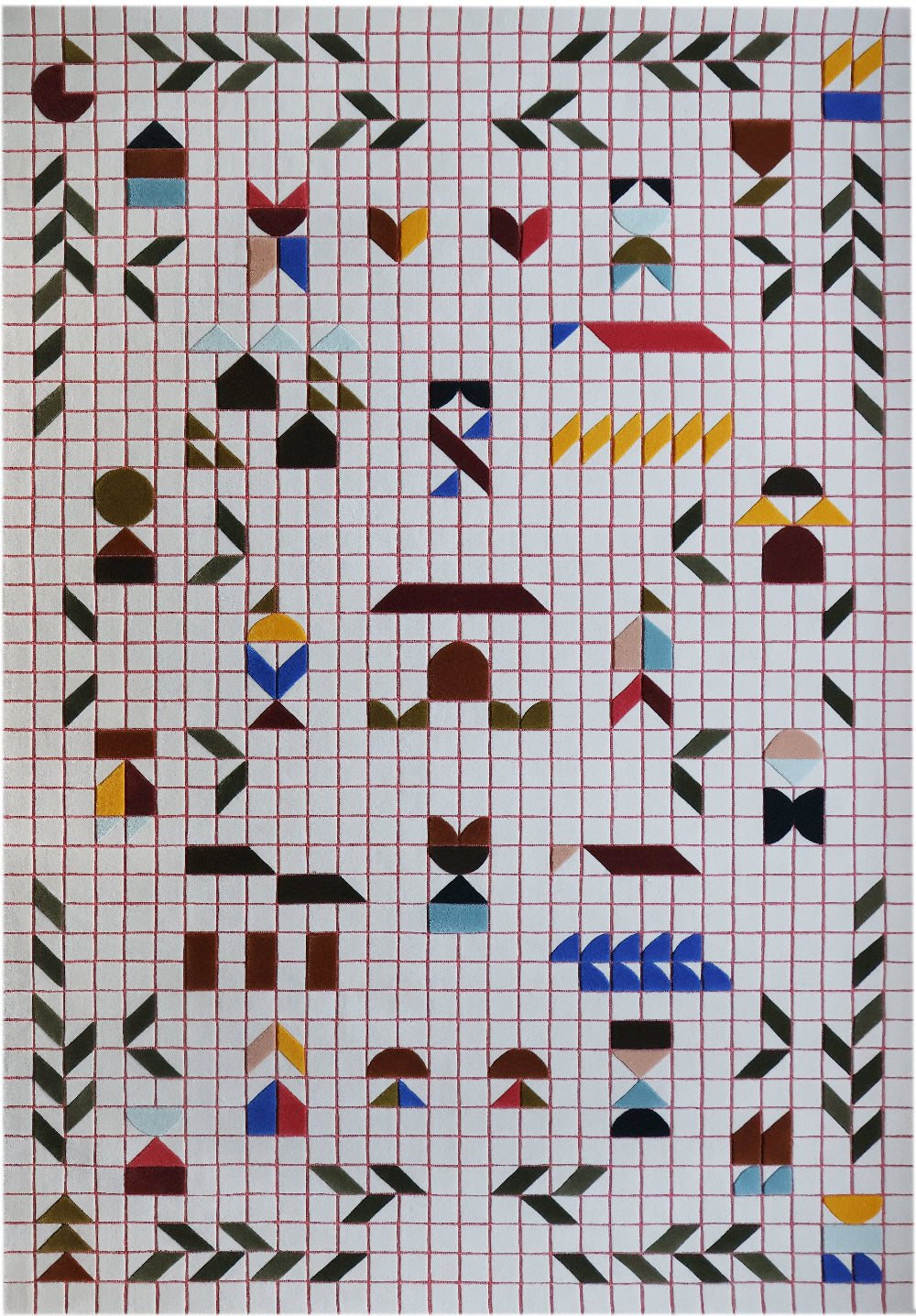
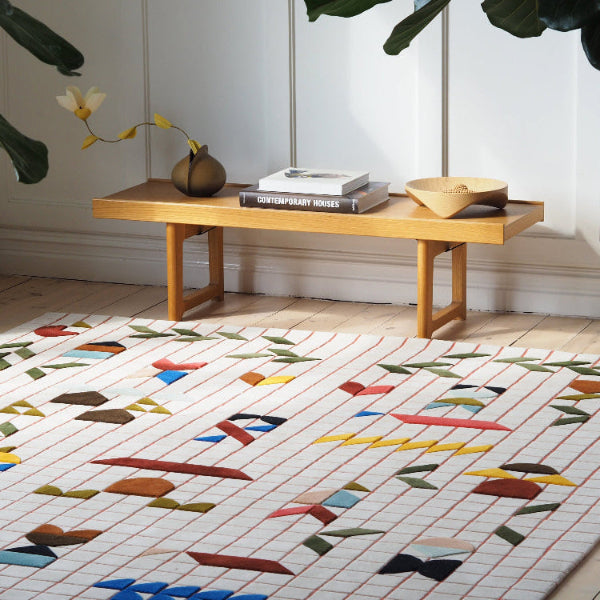
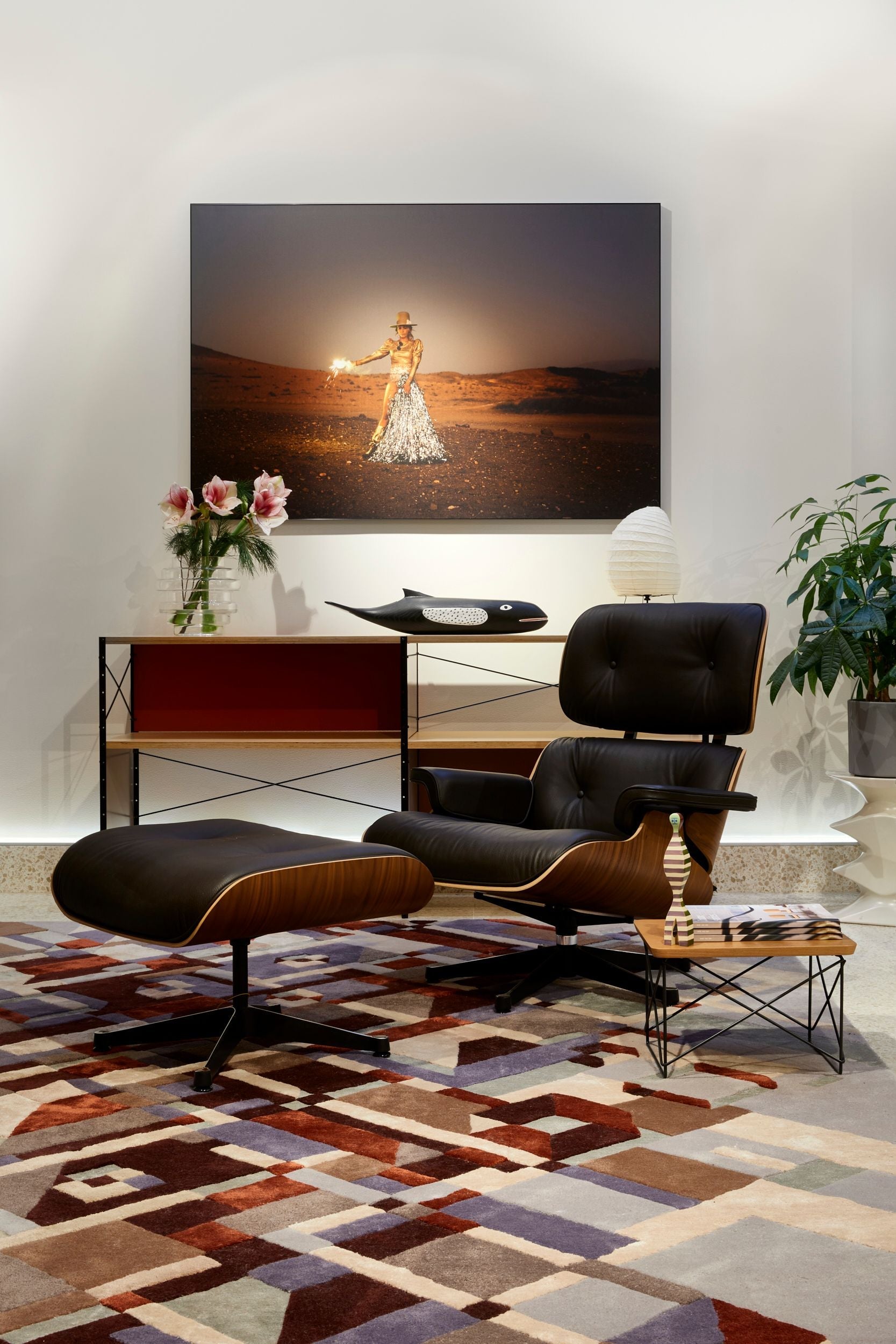
Geometric rugs bring structure, rhythm, and clarity to a room, especially in spaces where clean lines or mid-century influences already guide the architecture. In our experience, they are one of the easiest ways to introduce pattern without overwhelming the palette. Colorful rugs can energize a room, while colorful area rugs with quieter palettes keep things calm and architectural. When proportions are challenging, a custom-size geometric rug helps align motifs and prevents awkward cropping along furniture edges.
What are geometric rugs and what patterns define them?
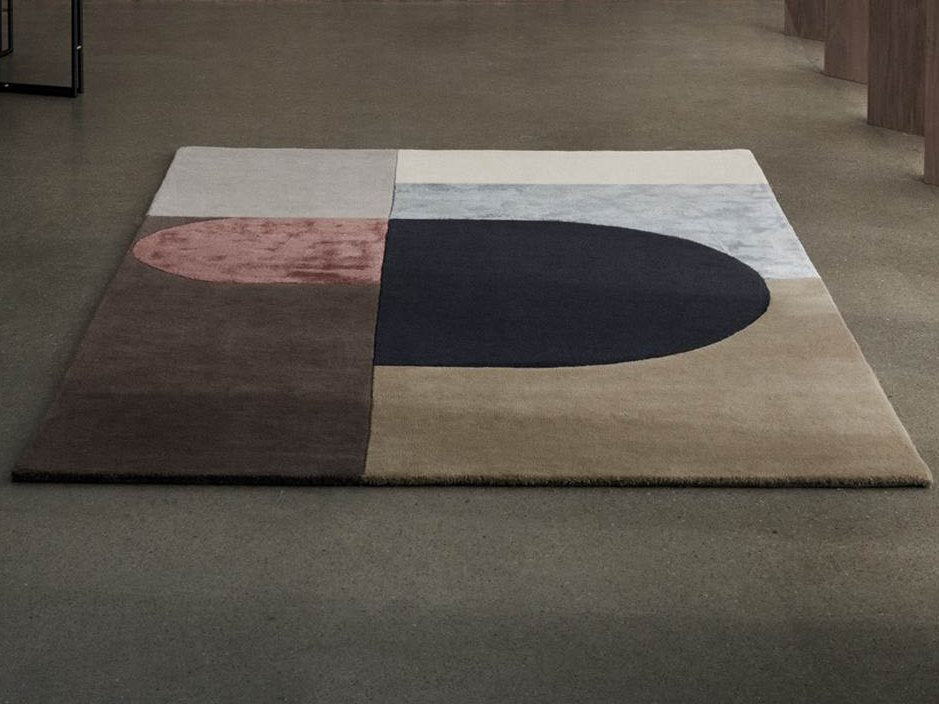
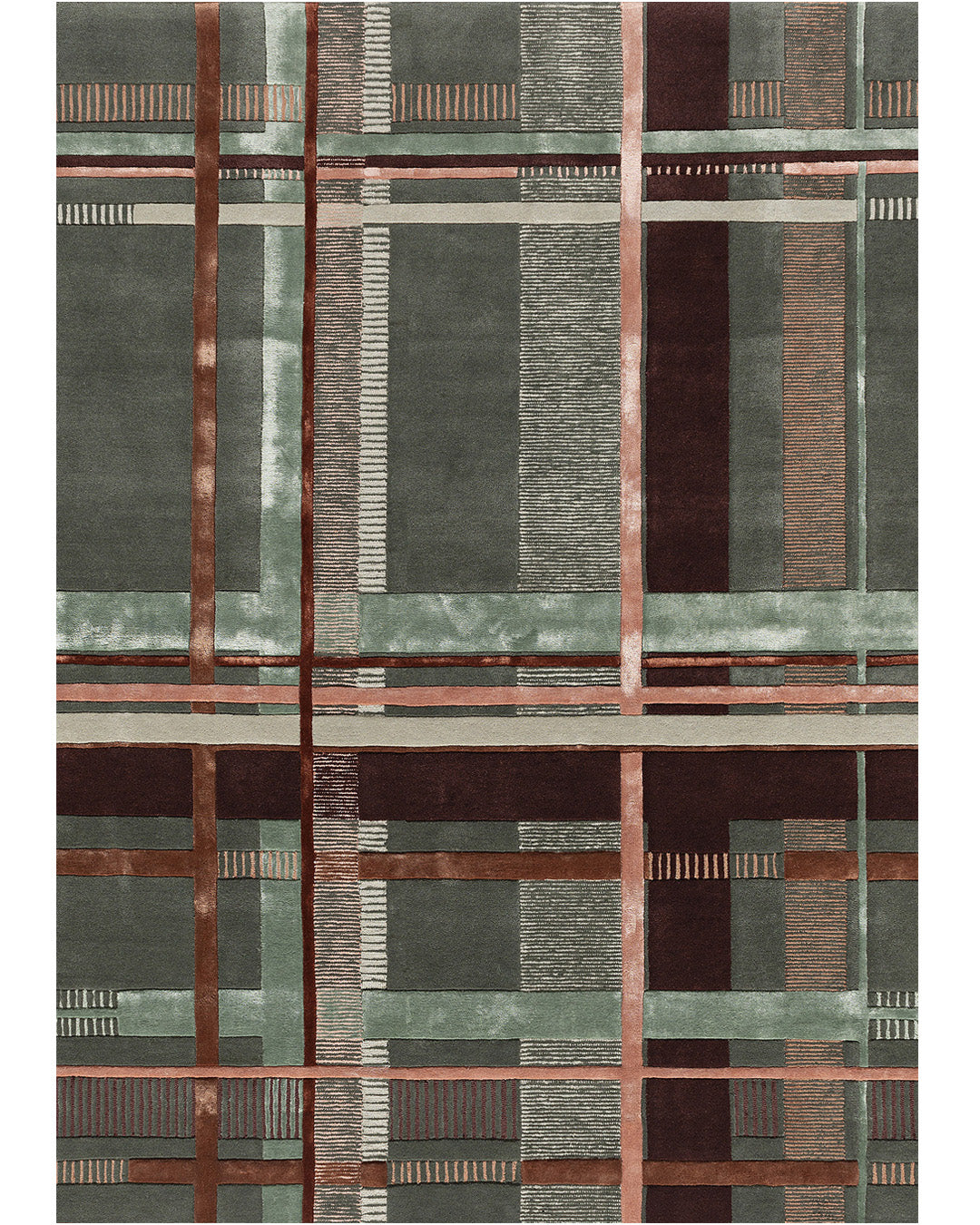
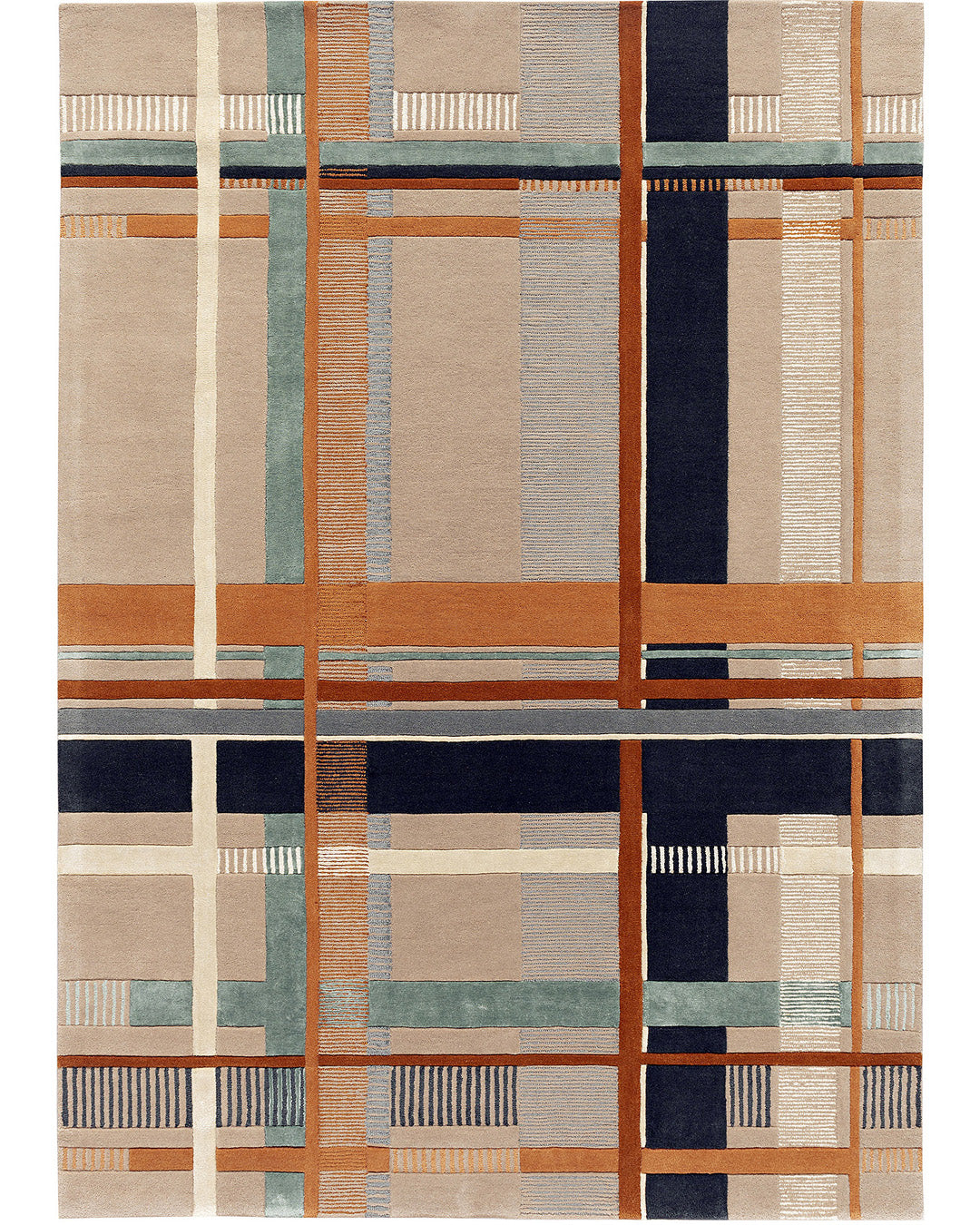
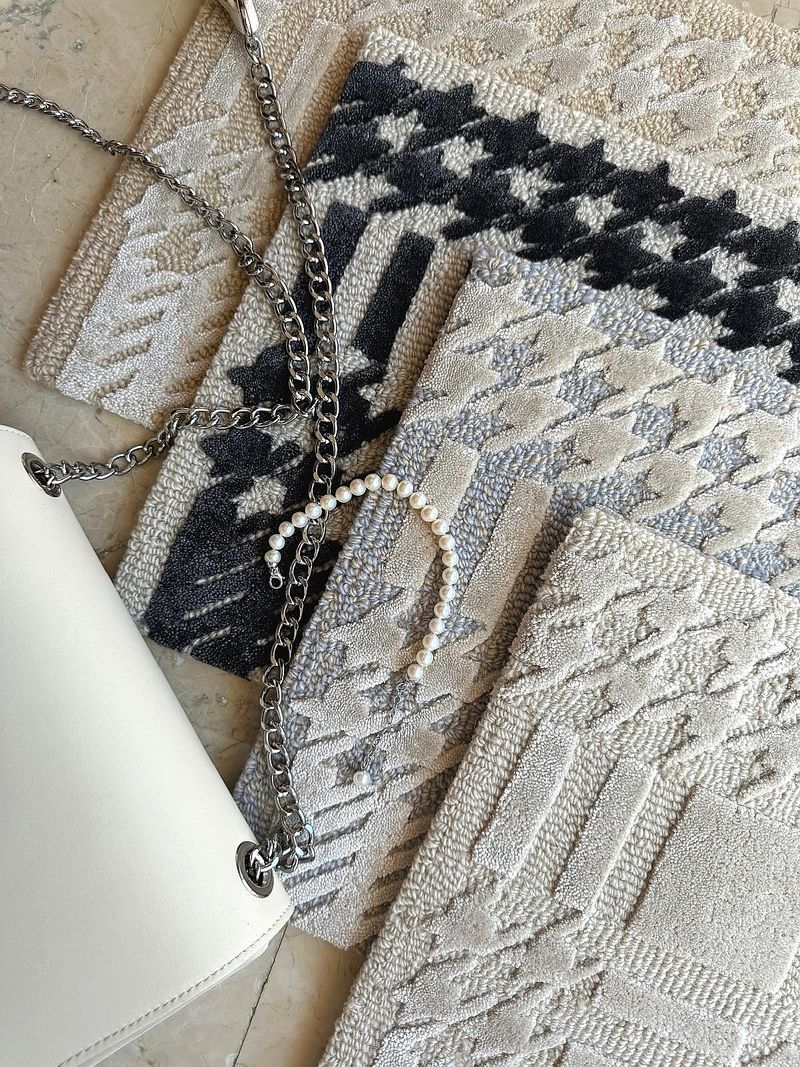
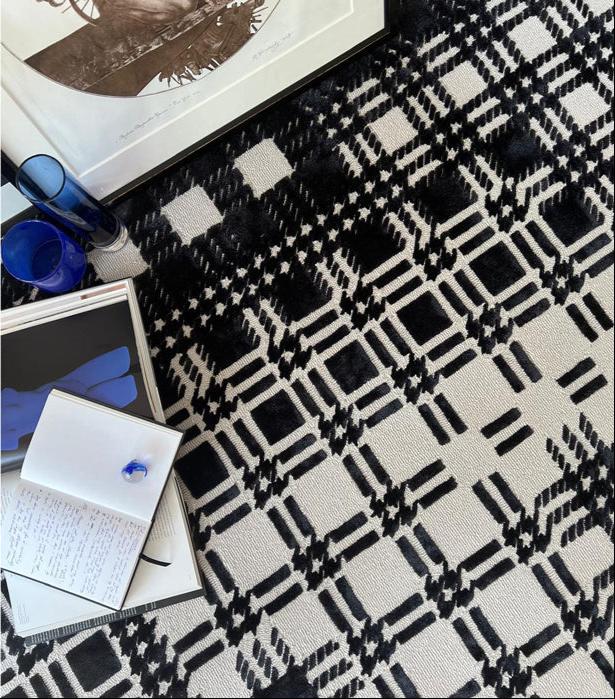
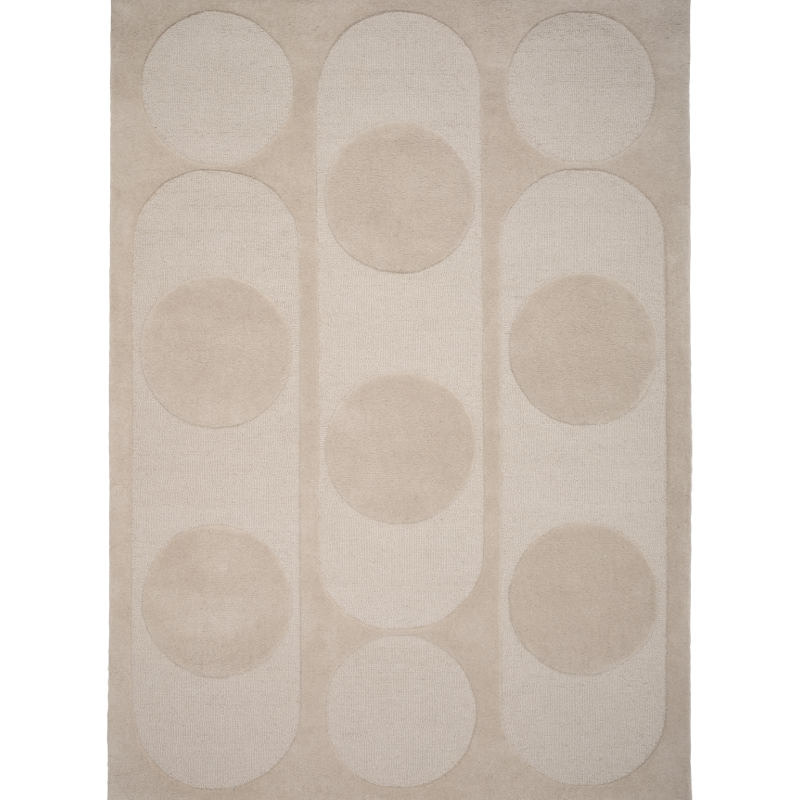
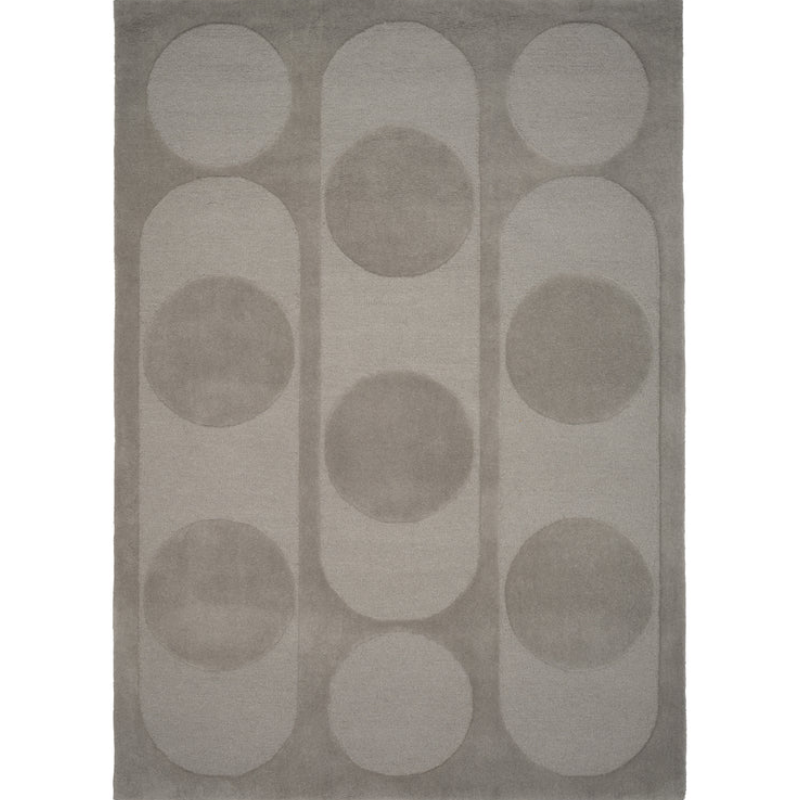
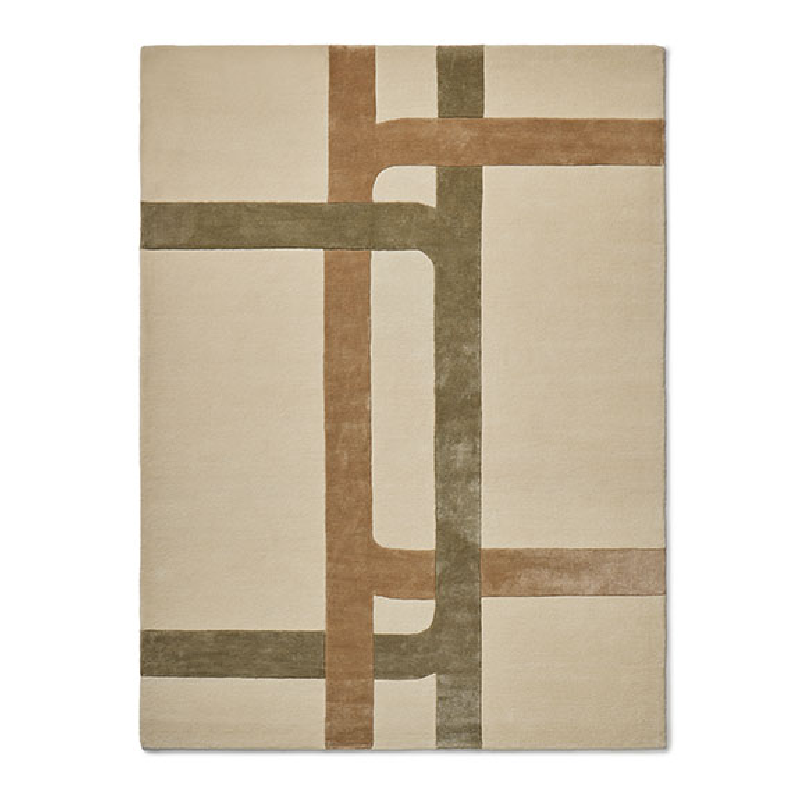
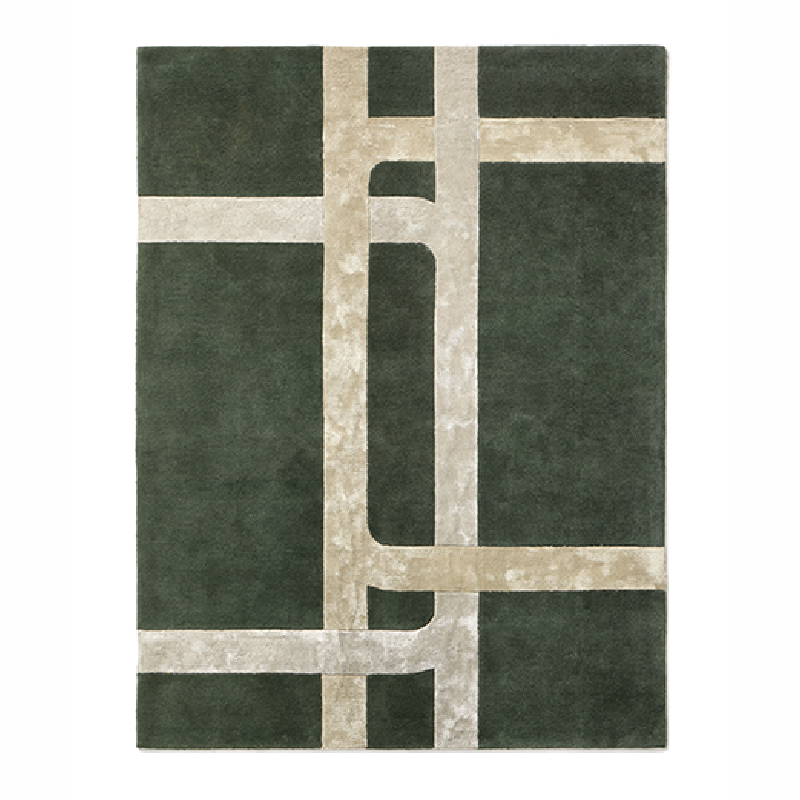
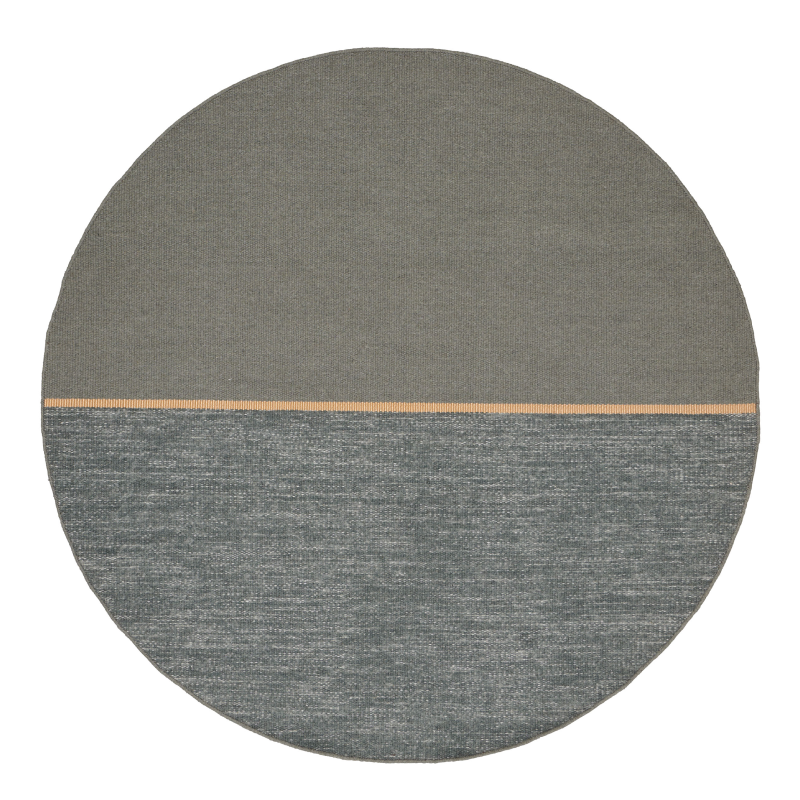
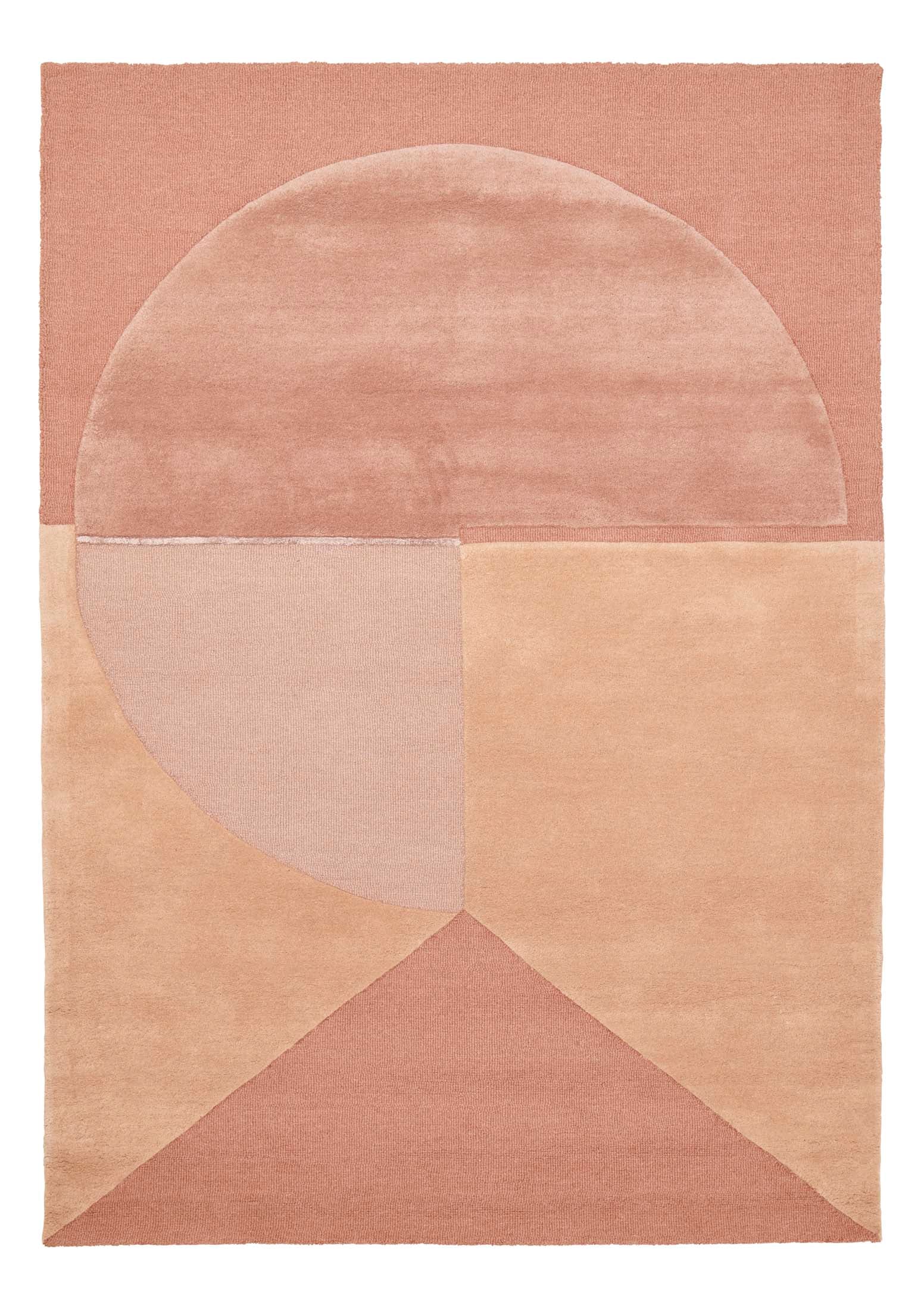
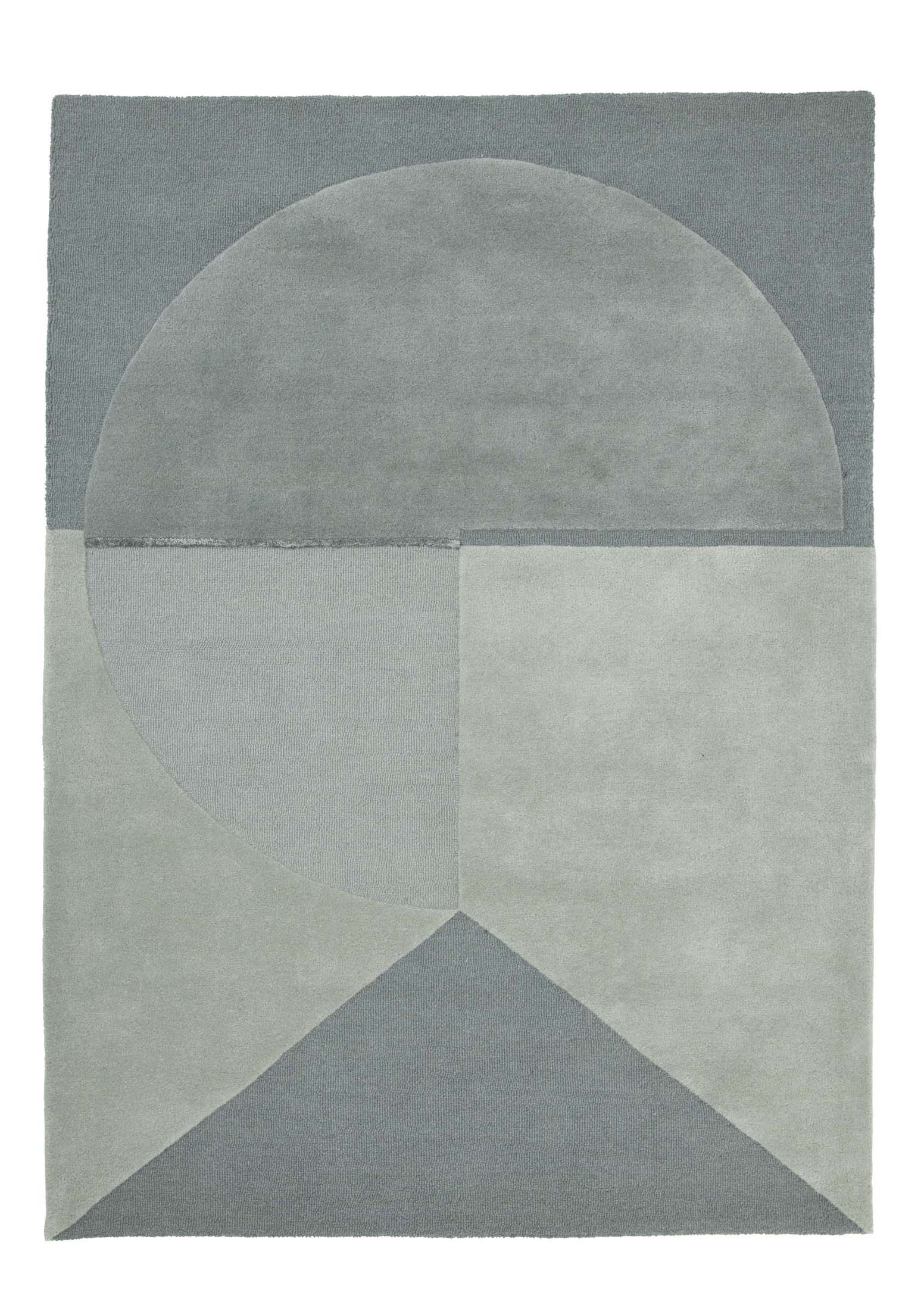
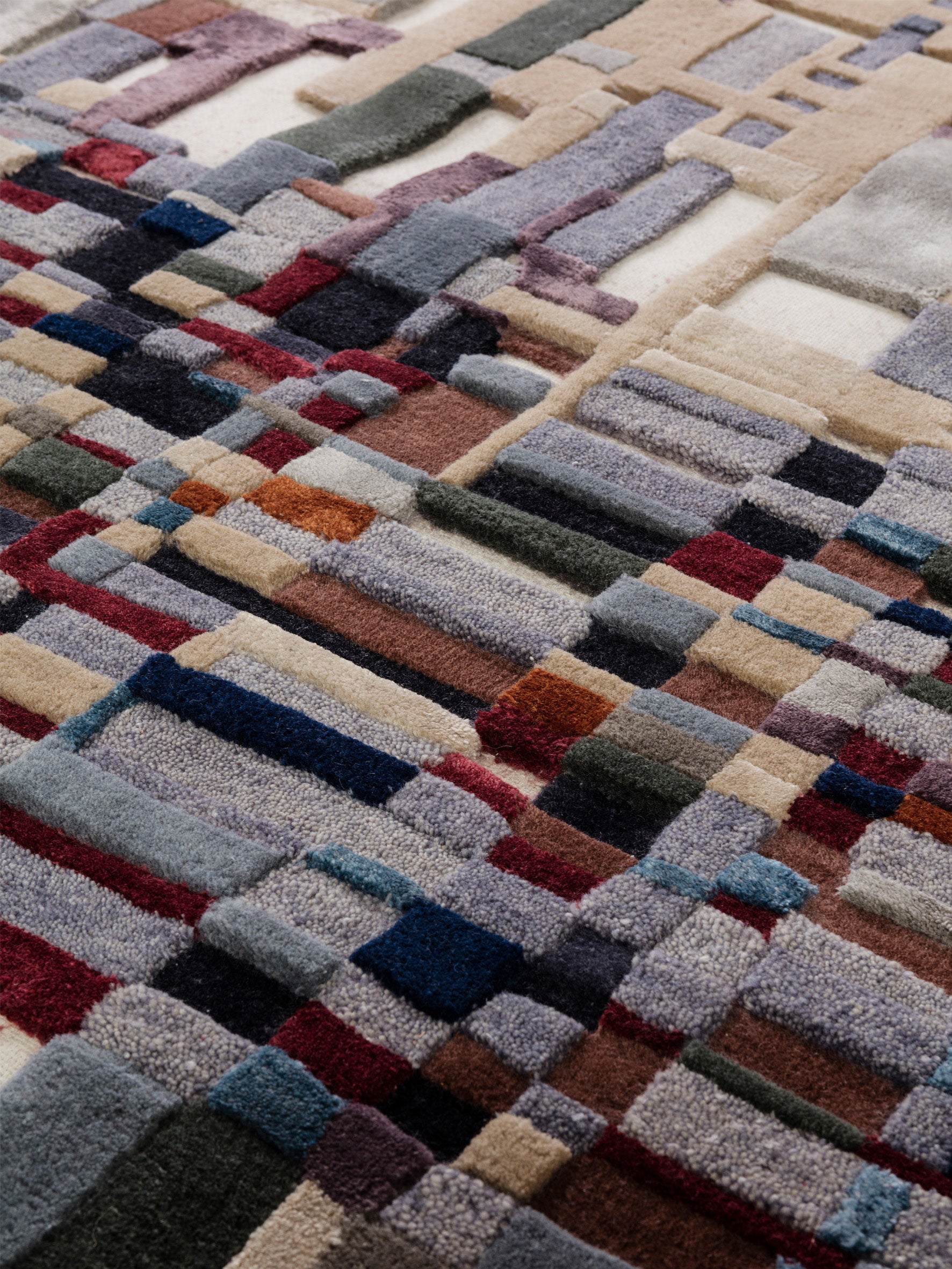
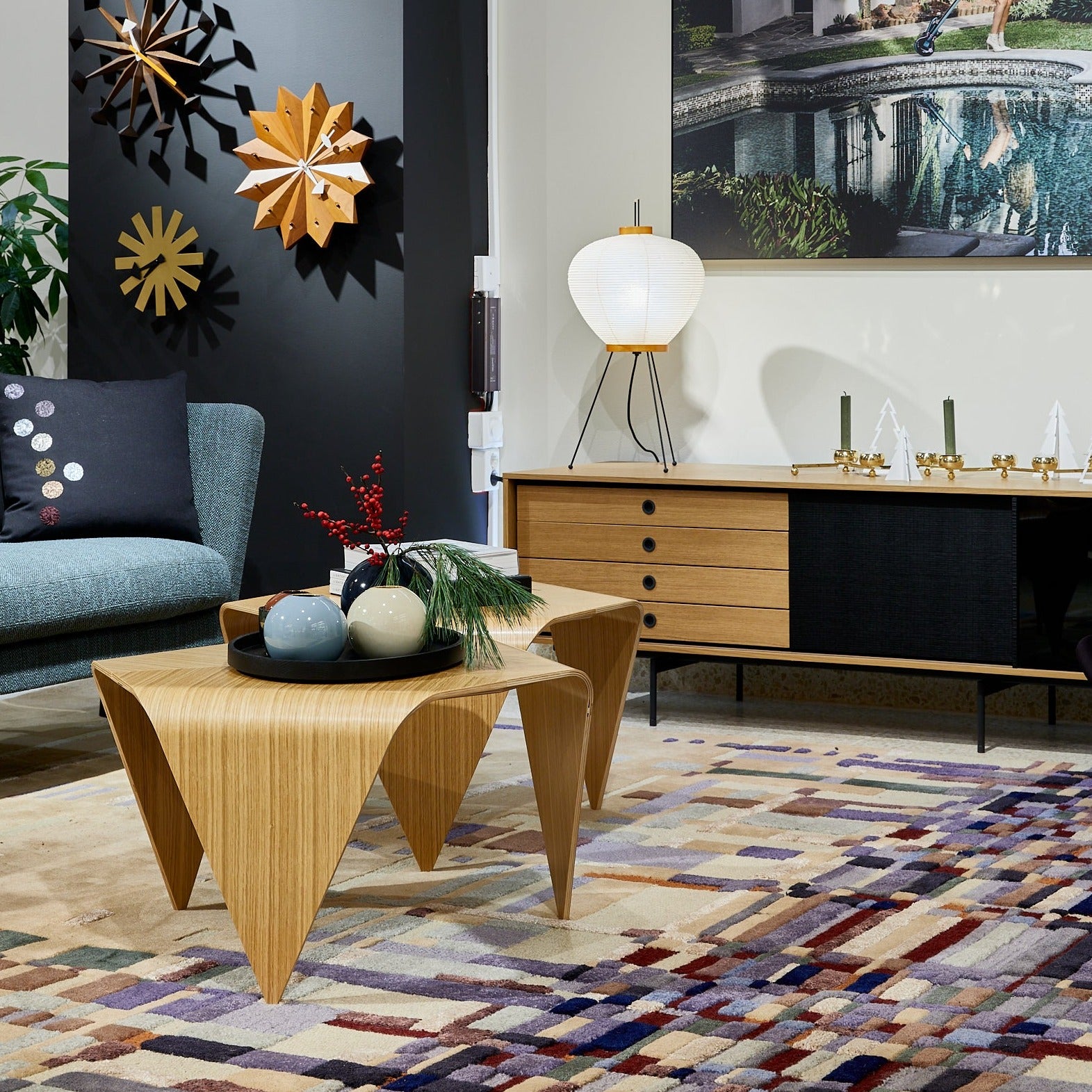
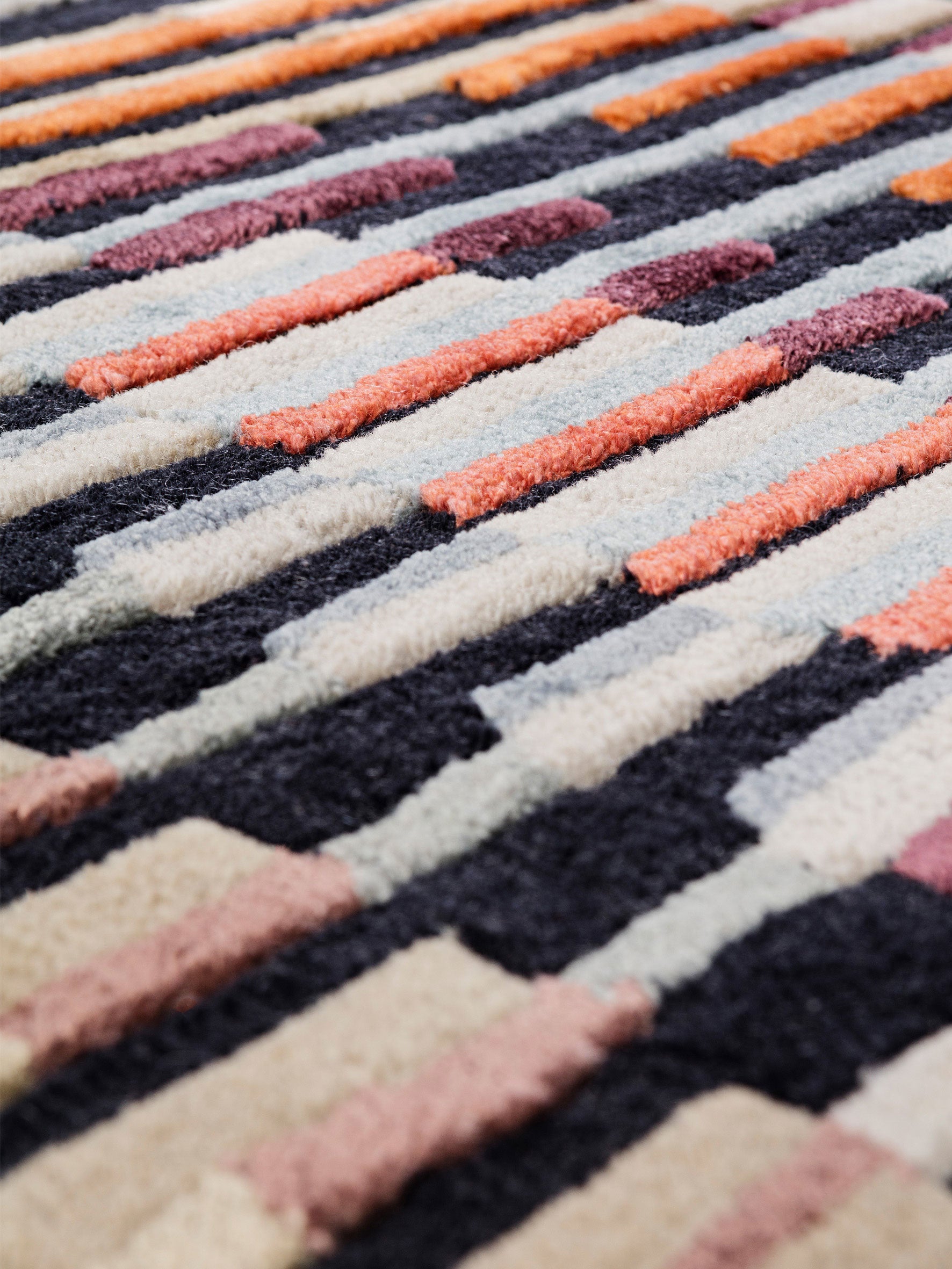
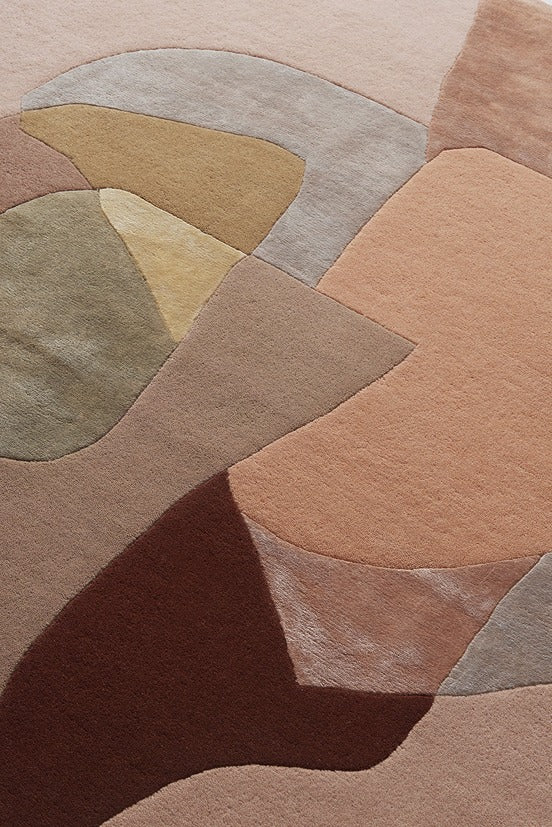
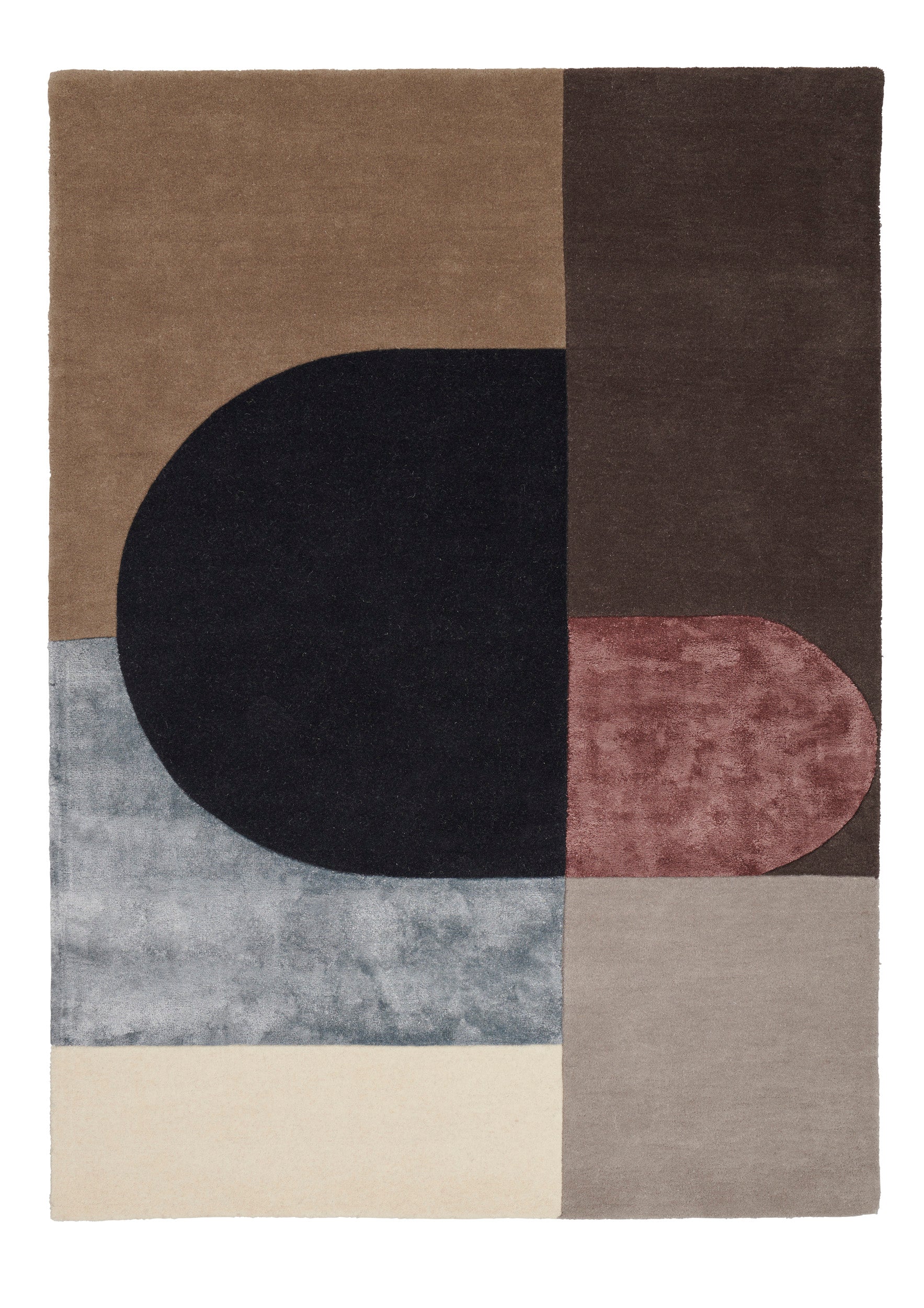
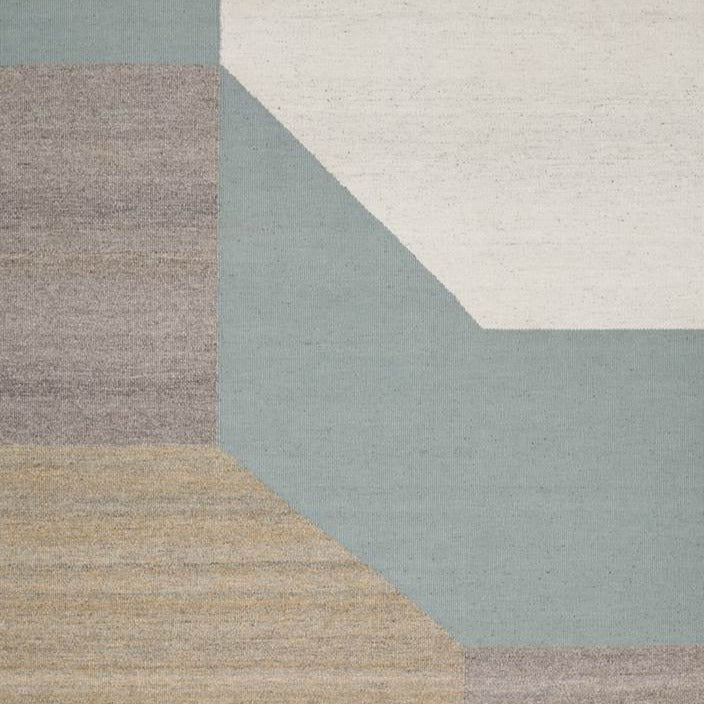
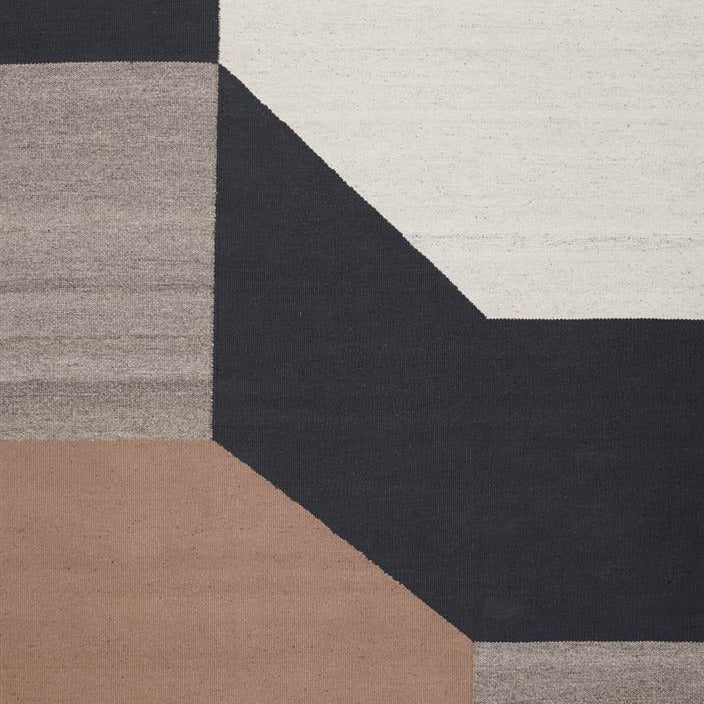
Geometric rugs use repeatable shapes to build visual rhythm. Common patterns include squares, diamonds, chevrons, triangles, and circles arranged in structured grids or looser, abstract layouts. Many colorful rugs rely on these motifs to create movement while staying versatile across styles. For a refined look that still feels playful, colorful area rugs with tone-on-tone geometry add depth without overpowering the room. If you like vintage references, mid century modern rugs often lean on clean angles, balanced symmetry, and period color stories.
How do I pair geometric rugs with furniture and room decor?
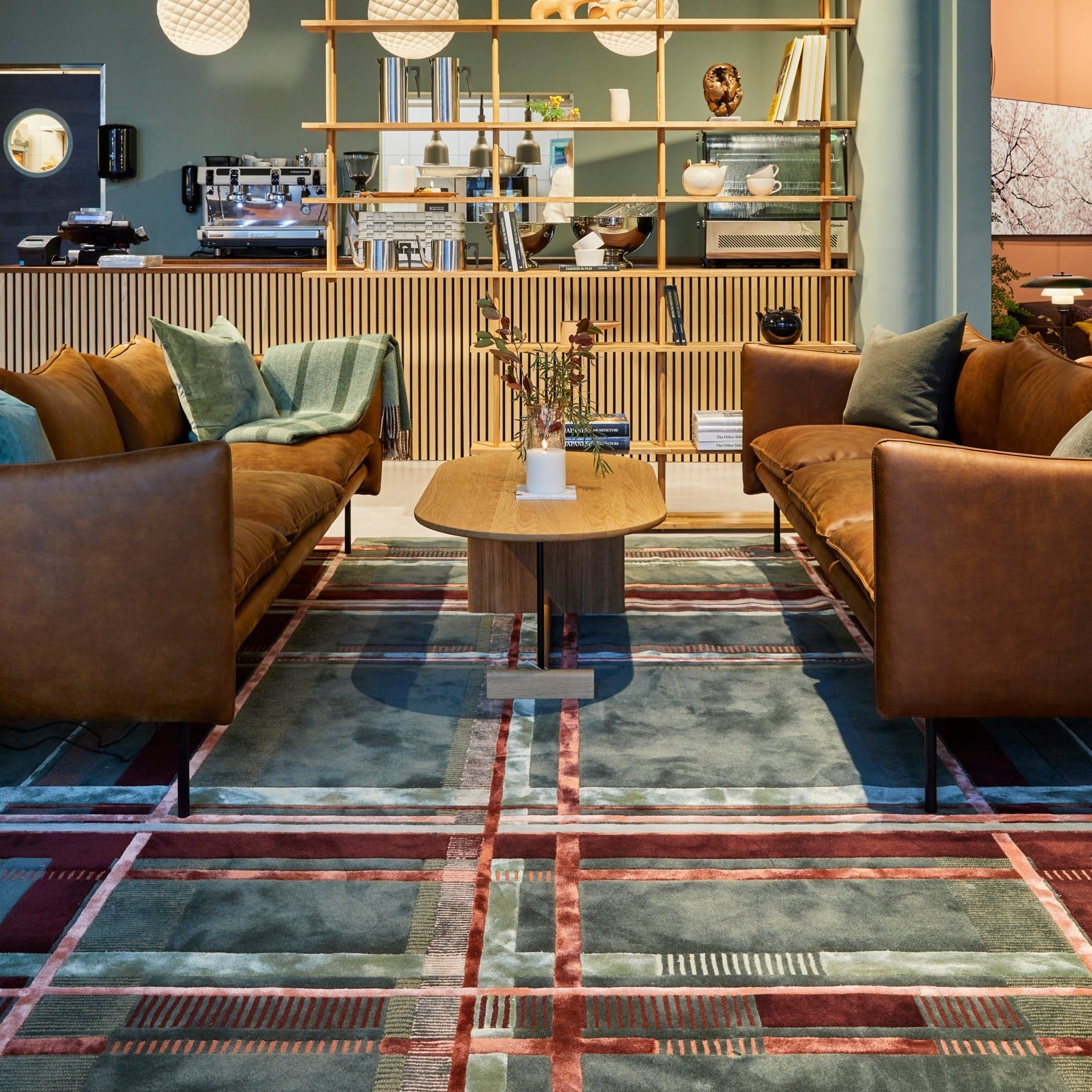
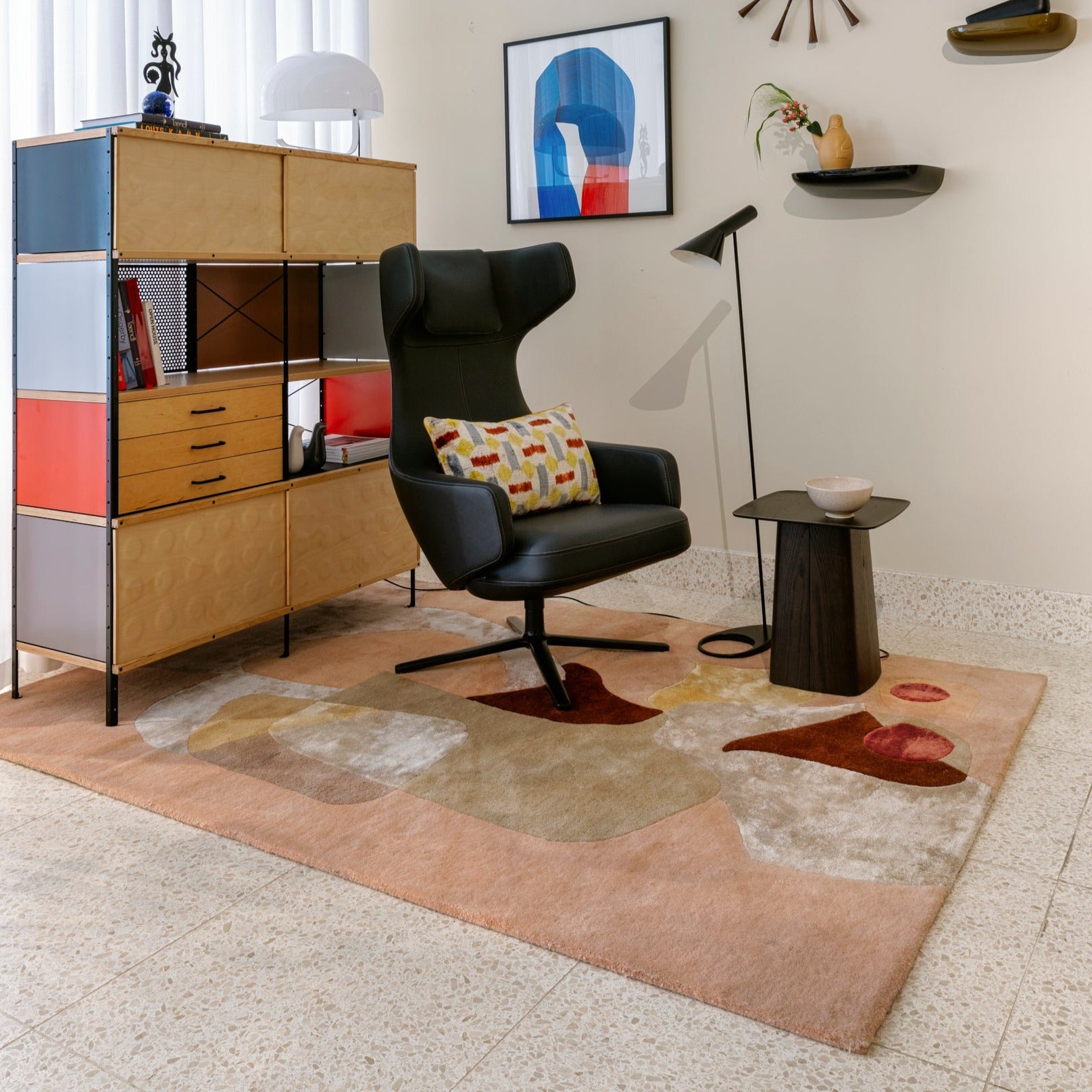
Start with hierarchy. If the rug is bold, keep upholstery quieter. If your sofa fabric already carries pattern, choose geometric rugs with fewer colors or lower contrast. We recommend repeating one color from the rug on a nearby accent to tie the palette together. Leg profiles matter. Open, airy bases keep the pattern visible, while skirted pieces quiet the look. In small living rooms, colorful area rugs with a limited palette feel calmer. For a vintage-informed layout, Mid century pieces with tapered legs pair naturally with mid century modern rugs and structured geometry.
Do geometric rugs make rooms look smaller or bigger?
It depends on pattern scale, contrast, and field color. Large, high-contrast shapes can dominate a compact room and feel busy. Medium-scale geometry in a balanced palette often reads as more spacious because the eye travels in longer lines. Light fields and soft edges open a room visually, while dark borders or heavy contrast create a tighter frame. In our experience, colorful rugs with two or three harmonized tones feel expansive, especially when the largest shape runs in the same direction as the main traffic path. If the footprint is unusual, a custom-size geometric rug keeps key motifs centered at doorways and under seating.
What are the different styles of geometric rugs available?
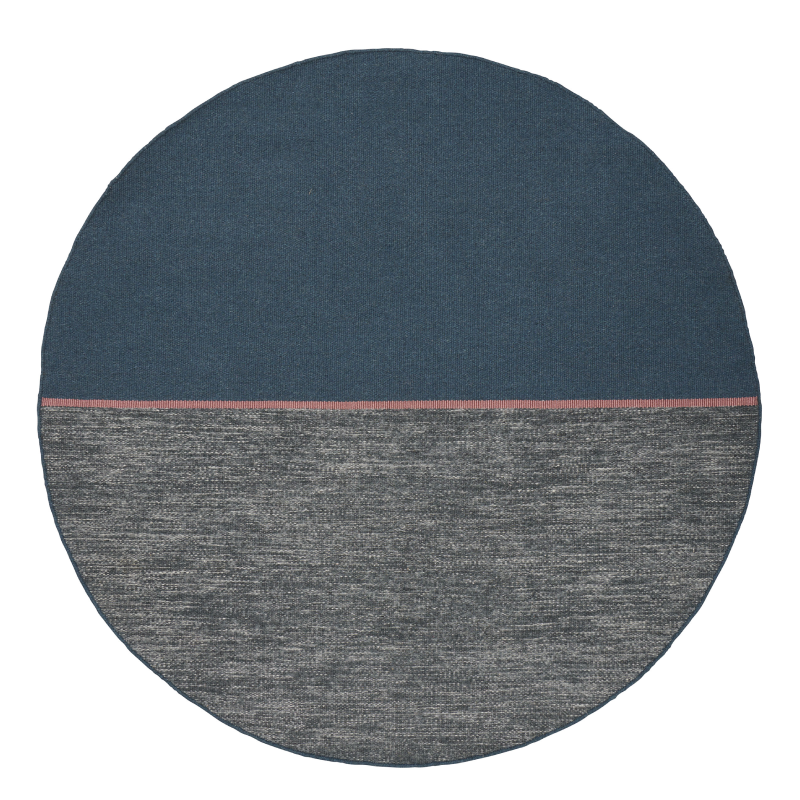
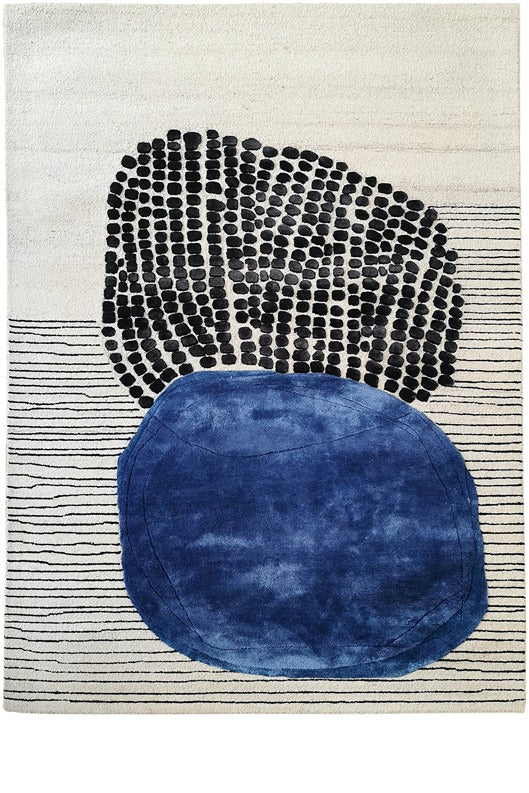
You will find several families. Mid century modern rugs with crisp lines and period colors. Scandinavian minimalism with soft grids and stripes. Moroccan-inspired diamonds in plush piles that feel relaxed but still geometric. Contemporary abstract geometry with offset blocks or broken chevrons that pair well with minimal furniture. Performance flatweaves for indoor and outdoor use that keep shapes sharp and cleaning simple. Hand-knotted wool for depth and longevity, hand-tufted options for a cushioned feel, and power-loomed constructions for value and consistent pattern repeat. Colorful area rugs span all of these categories, from saturated jewel tones to quiet pastels, and geometric rugs sit comfortably in each.
Final Tips for Selecting Colorful Area Rugs and Mid Century Modern Rugs
Solidify priorities first. Pattern scale, color palette, and how the rug interacts with your furniture plan. Geometric rugs can be the statement or the subtle backdrop, not both at once. Colorful rugs bring personality, while mid century modern rugs anchor a room with structured lines. If your layout is unusual, custom sizing makes the entire composition feel intentional. In our experience, when you choose the right geometry and a balanced palette, colorful area rugs help the room click and feel easier to live in day after day.
Still have questions about patterns, sizing, or materials? Our in-depth rug guide covers styles, craftsmanship, and how to choose the right rug for your space. You can explore it here: our modern rug buying guide.