How Long Should Luxury Furniture Last? A Visual Guide
The best luxury furniture isn't judged by how it looks on delivery day. It's judged years later, when the dining table is still the heart of every gathering, the sofa remains everyone's favourite seat, and the pieces you've chosen continue to feel just as relevant as the day they arrived.
That's the difference thoughtful craftsmanship makes.
While trends come and go, well-made furniture is designed to become part of your home's story, not something that's replaced every few years.
So, how long should luxury modern furniture actually last? The answer depends on its materials, construction, upholstery, finishes, and the way it's cared for over time. Here's what every homeowner should know before making an investment.

What does "luxury furniture" mean, and how long should it last?
Luxury furniture is defined by premium materials, exceptional craftsmanship, and construction that's designed to last for decades. Unlike mass-produced furniture that's often replaced when it begins to show signs of wear, luxury pieces are built to be refinished, repaired, or reupholstered, allowing them to evolve with your home instead of being discarded.
As rightfully said by Elle Decor,
“While they aren't as clear-cut as the ones you'll find on your groceries, your furniture and accessories do have expiration dates.”
Typical lifespan of luxury furniture
|
Furniture Type |
Expected Lifespan |
What Determines Longevity |
|
Upholstered sofas & armchairs |
15–25 years |
Frame construction, cushion quality, upholstery fabric, and frequency of use |
|
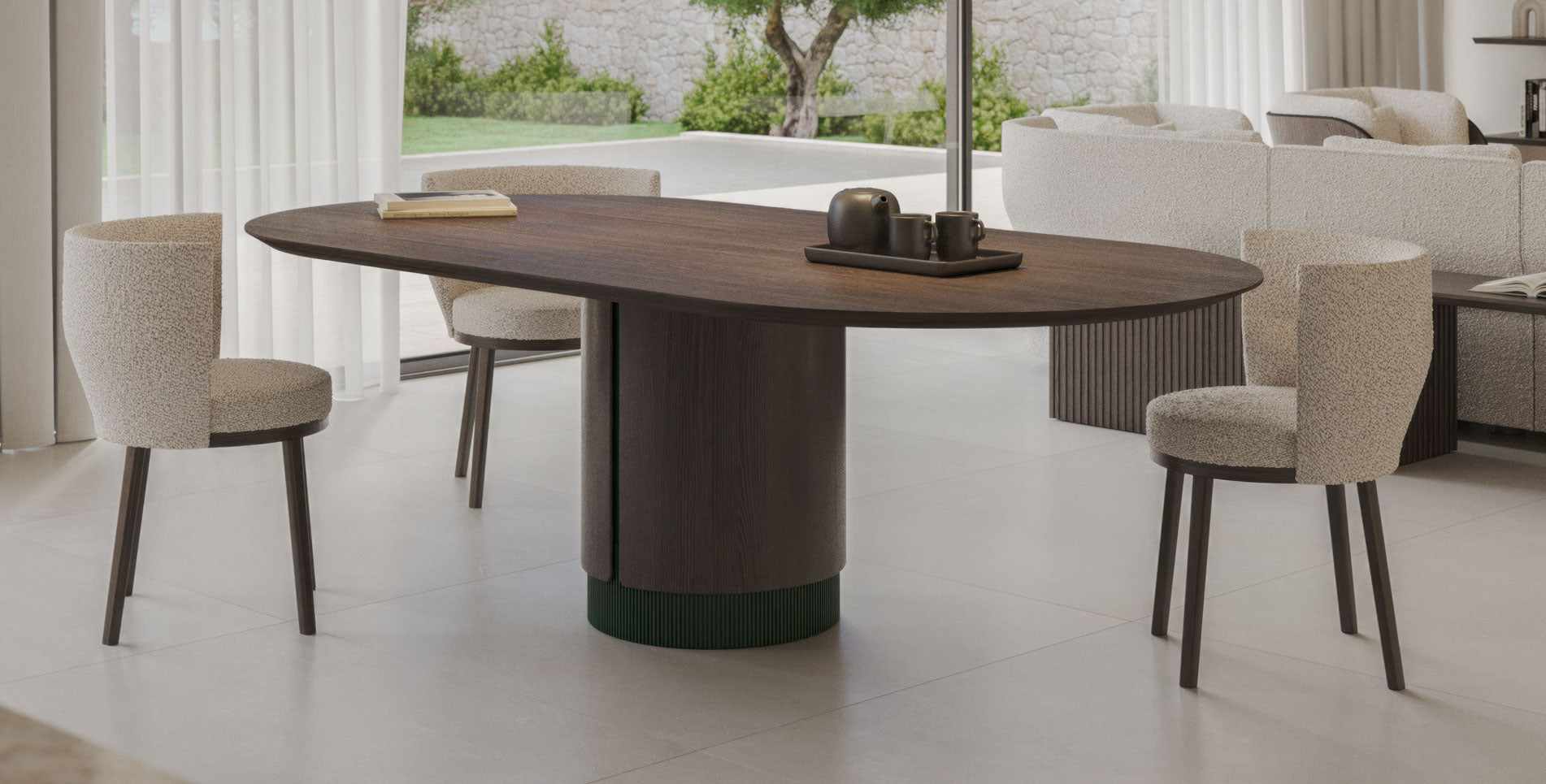
Solid wood luxury dining tables |
20–50+ years |
Hardwood species, joinery, protective finish, and regular maintenance |
|
Beds & bedroom storage |
20–40 years |
Structural support, material quality, and indoor humidity levels |
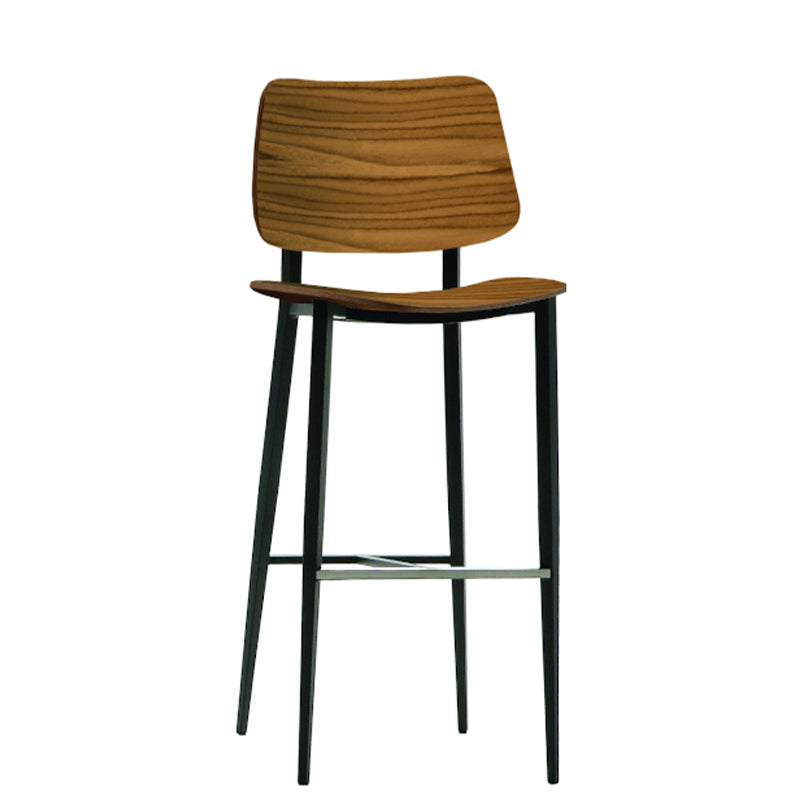
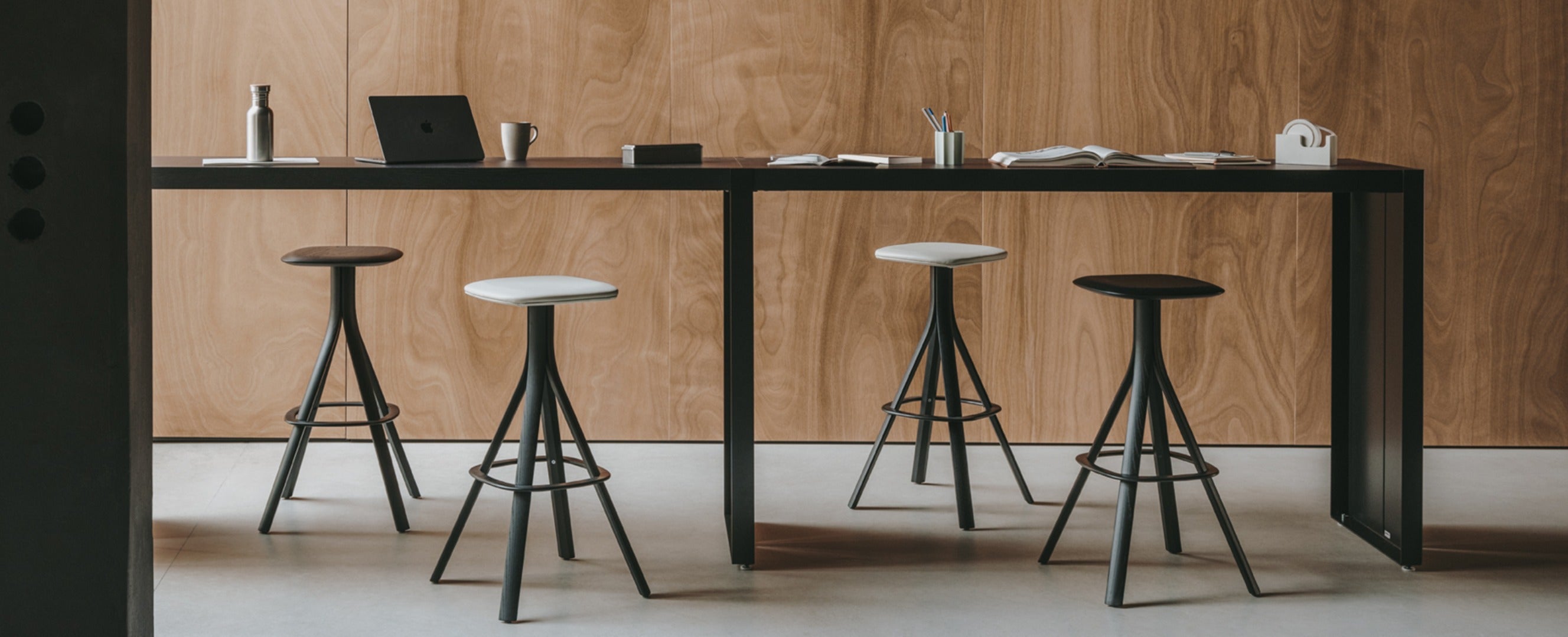
How long should each room's pieces last - tables, chairs, stools, beds, storage?
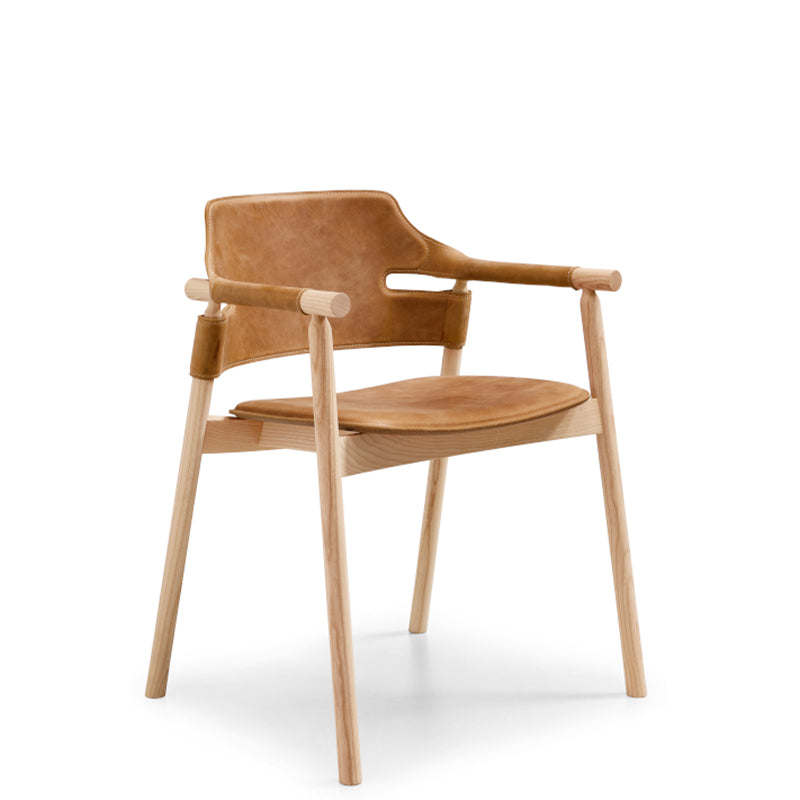
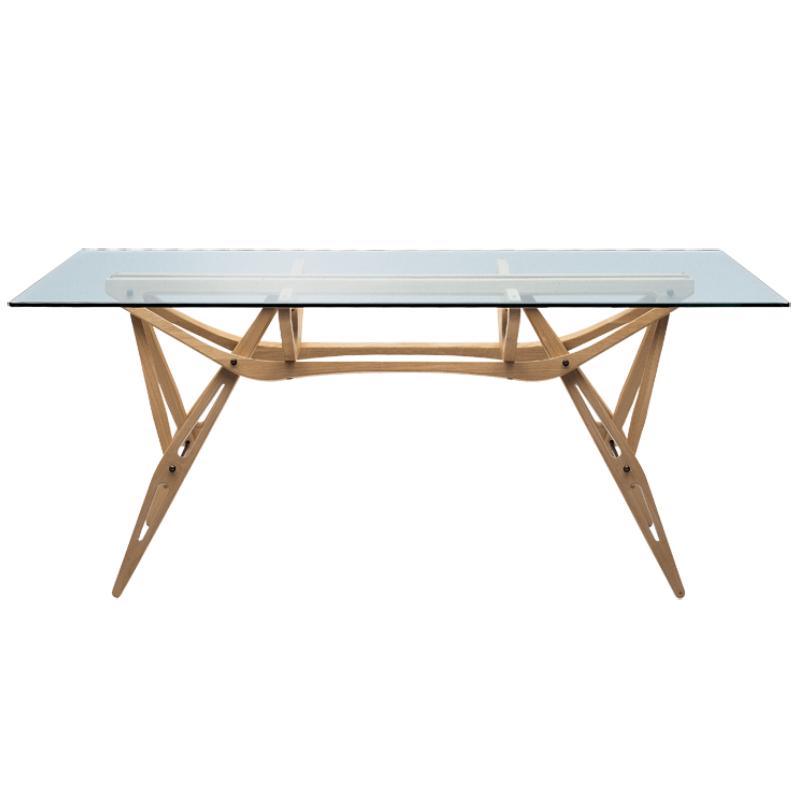
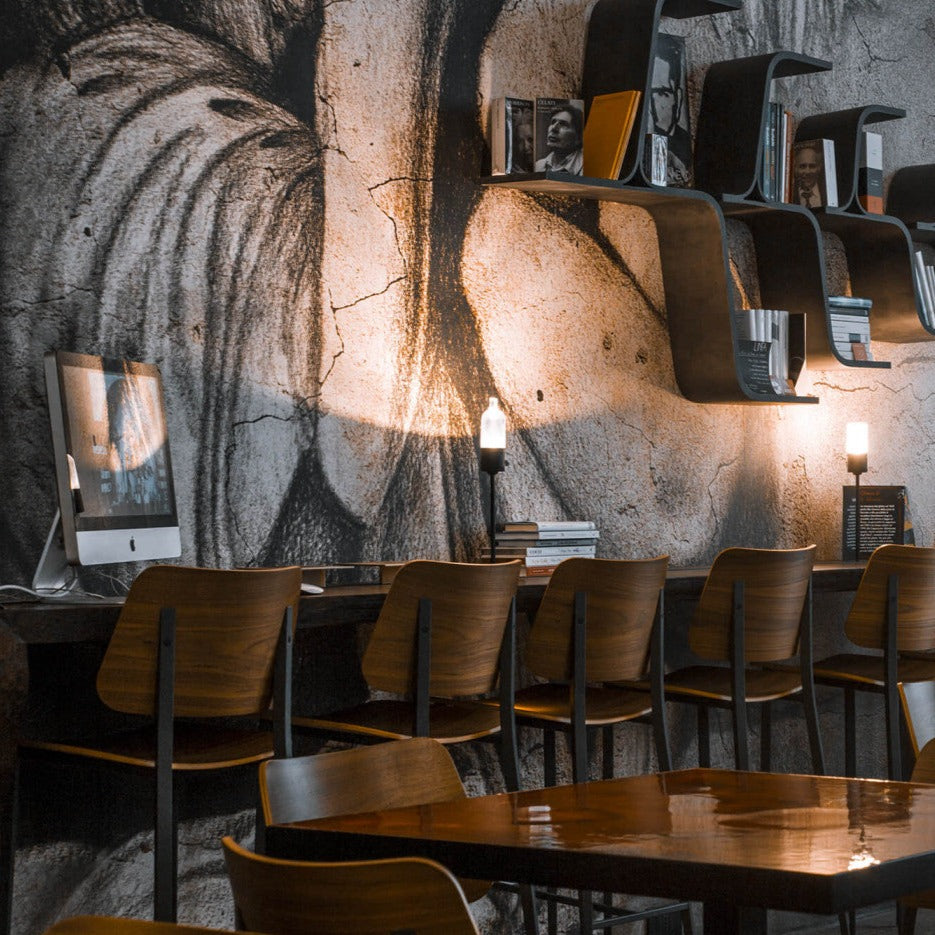
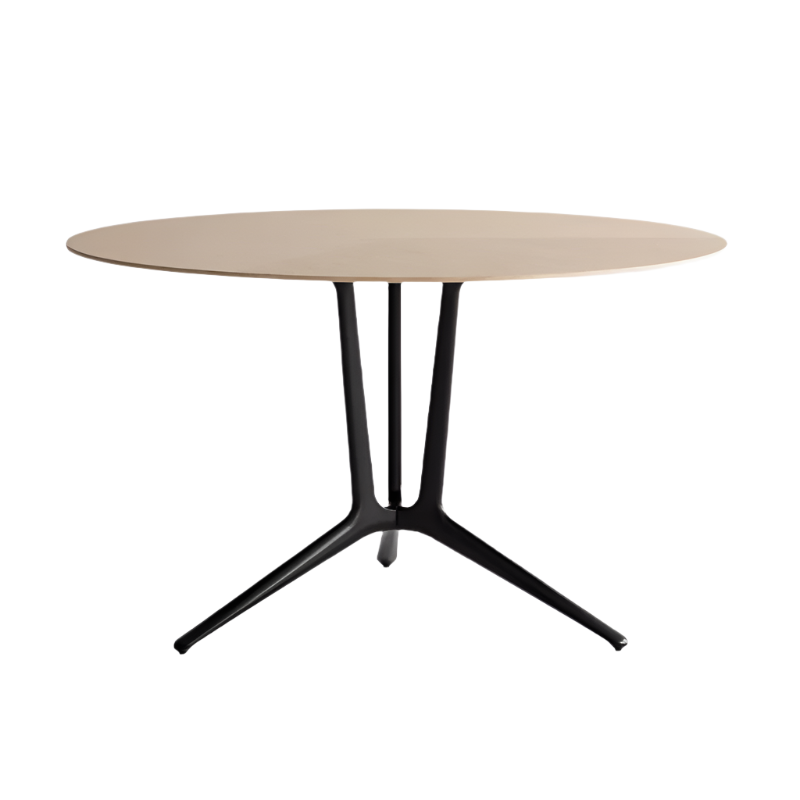
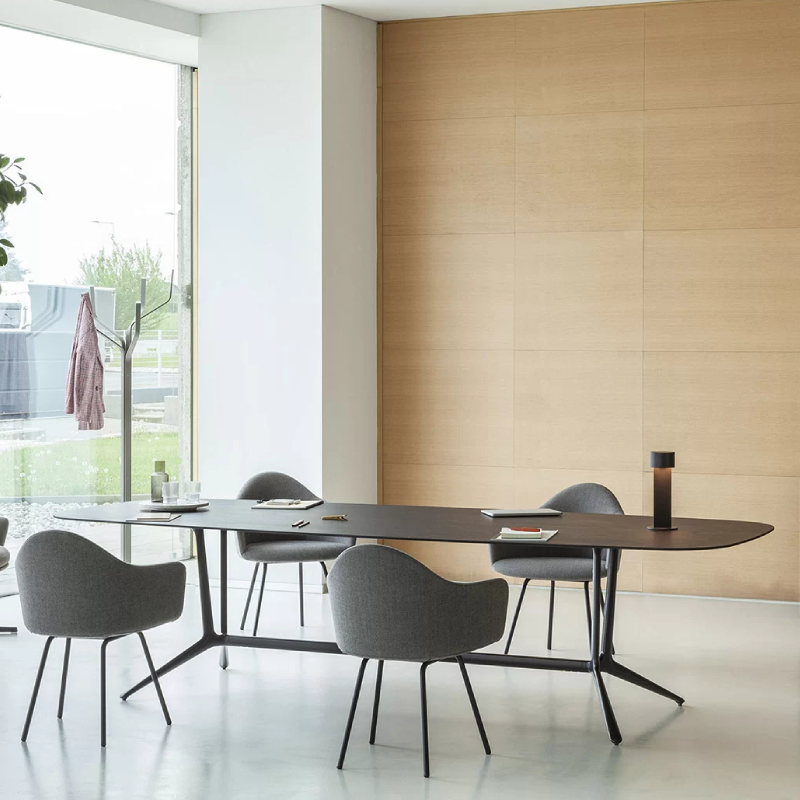
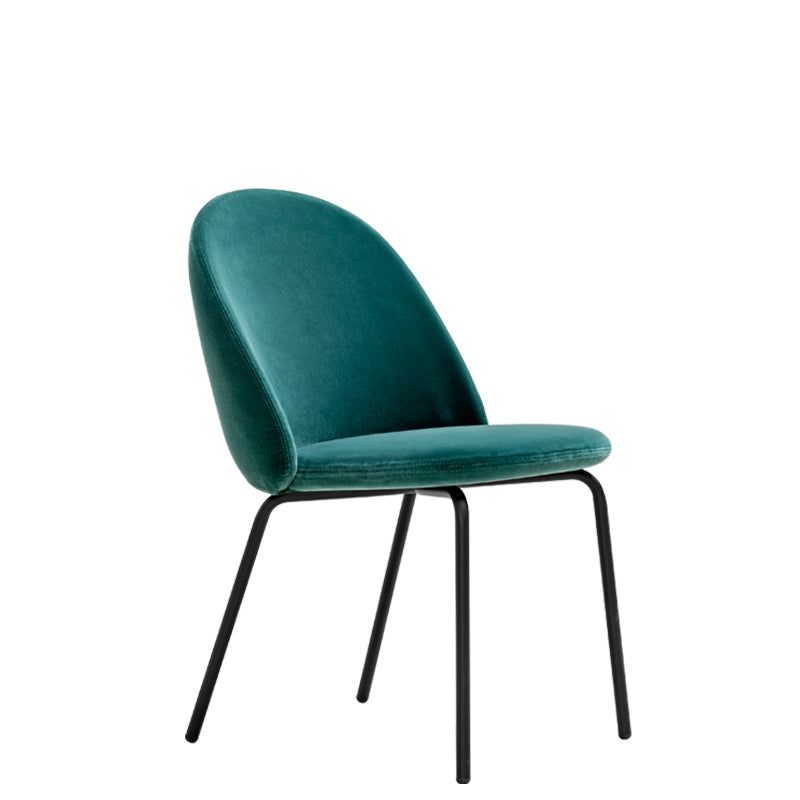
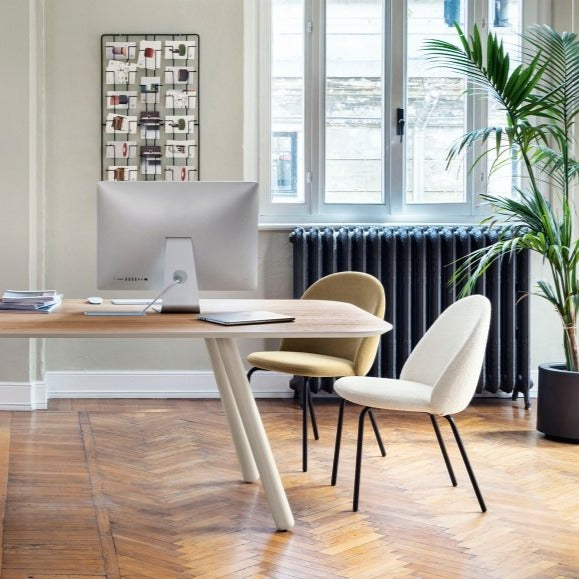
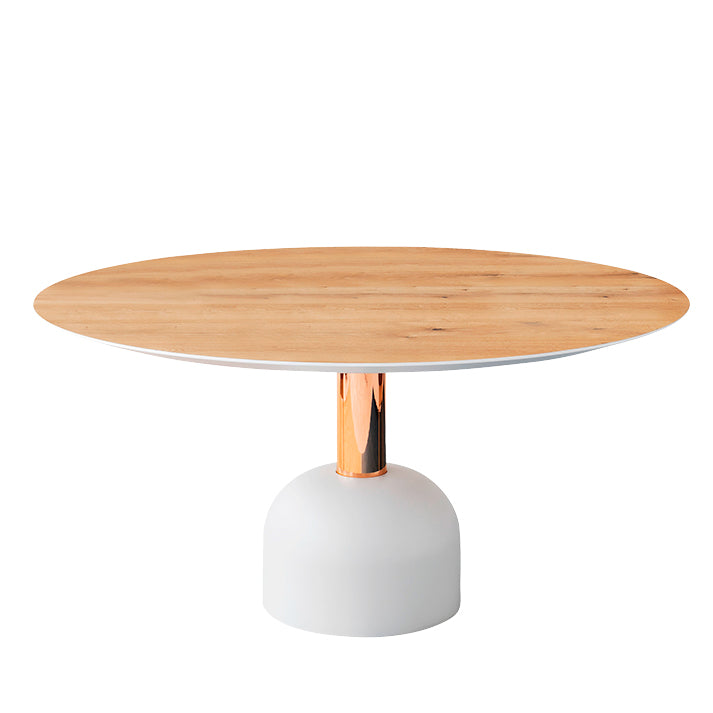
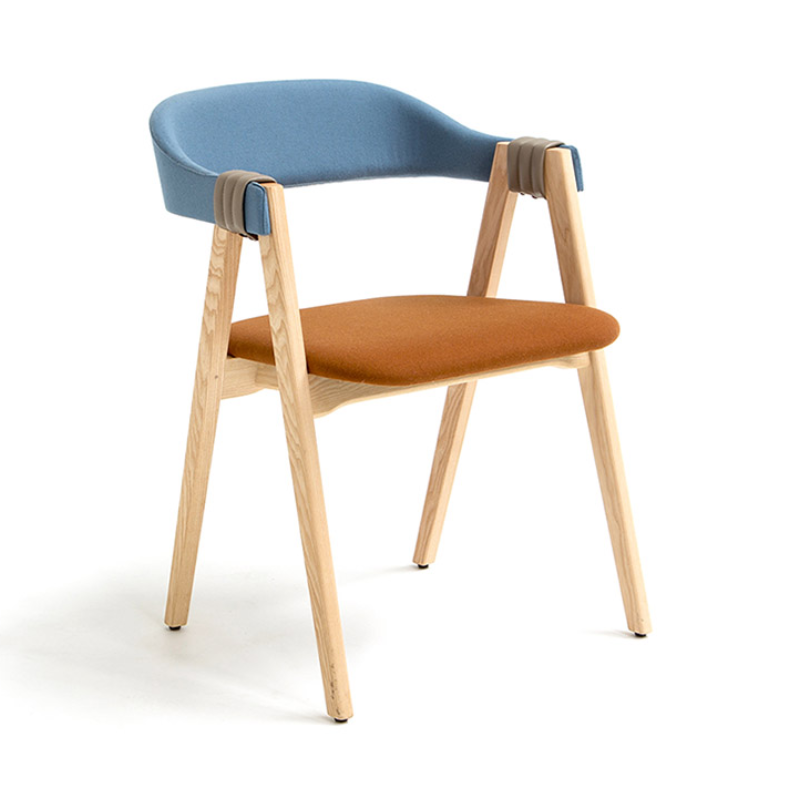
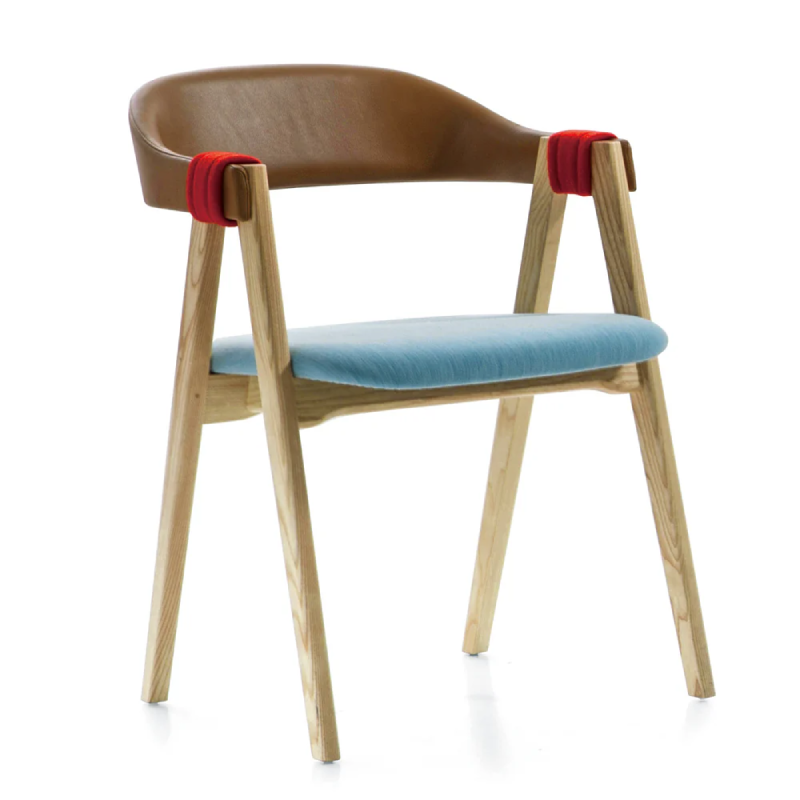
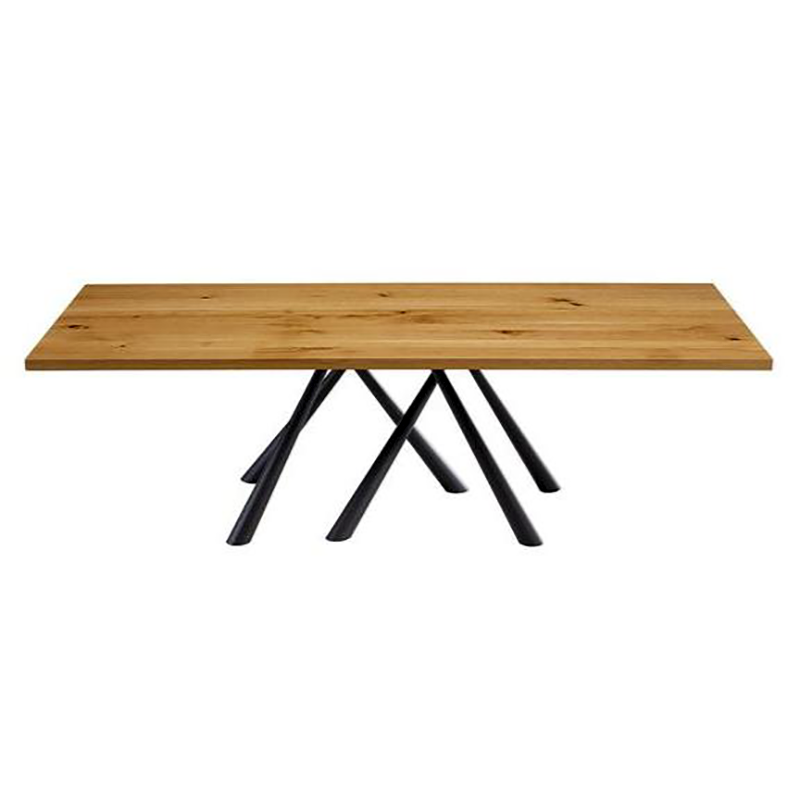
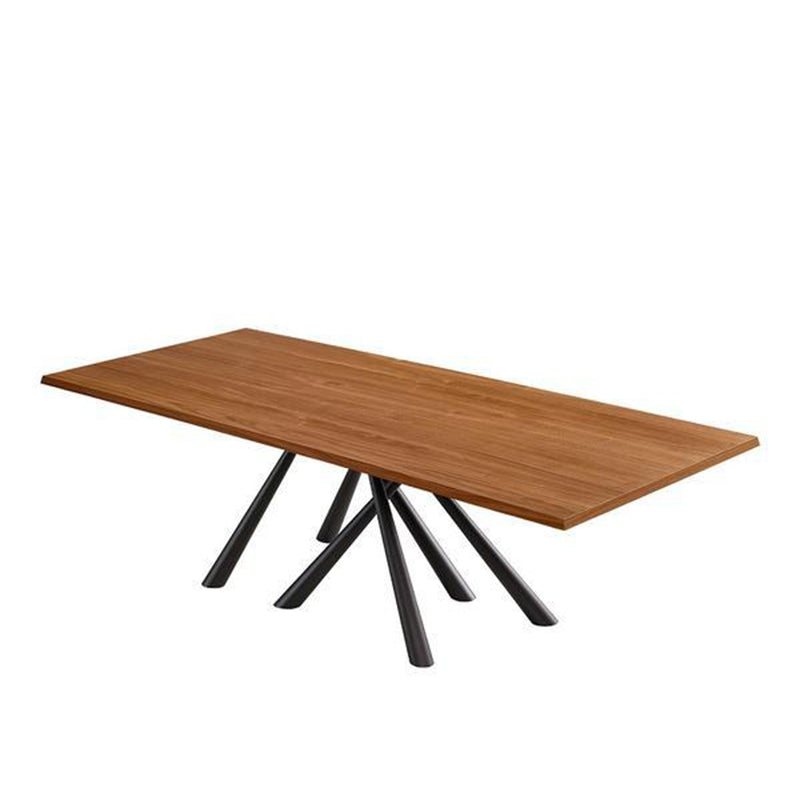
The lifespan of furniture varies by its purpose, materials, and how often it's used. Here's a quick visual guide to what you can generally expect from well-crafted luxury pieces.

Luxury furniture should last far beyond changing trends. When it's built with quality materials, skilled craftsmanship, and thoughtful construction, it becomes part of your home's story rather than something you plan to replace. Whether you're choosing a luxury dining table, a sofa, or everyday seating, investing in well-made pieces today means enjoying comfort, performance, and timeless design for decades to come.
Which materials and construction make furniture last longer?
One of the first things we notice when visiting beautifully furnished homes isn't the finish or the colour palette. It's how confidently the furniture has aged. Quality materials don't simply last longer. They develop character, hold their structure, and continue to feel substantial after years of everyday living.
Materials that stand the test of time
|
Material or Construction |
Why It Lasts |
|
Solid hardwood |
Strong and refinishable |
|
Steel or aluminum frames |
Excellent structural support |
|
High-resilience foam |
Retains shape longer |
|
Performance fabrics |
Resist stains and fading |
|
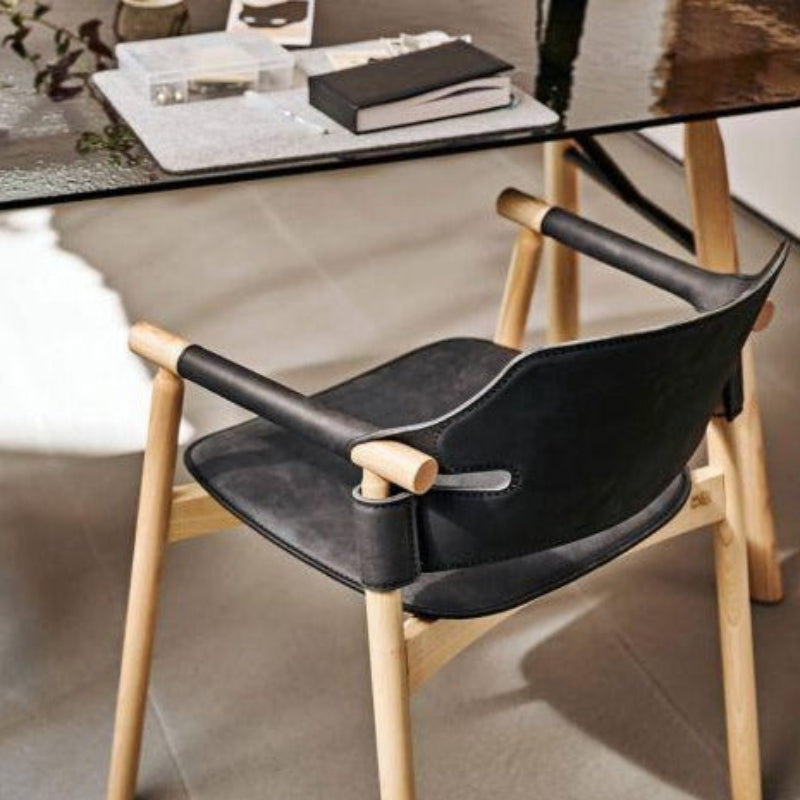
Full-grain leather |
Ages beautifully and develops a natural patina |
|
Ceramic and natural stone |
Scratch and heat resistant |
How long should upholstery and cushions hold up in real homes?
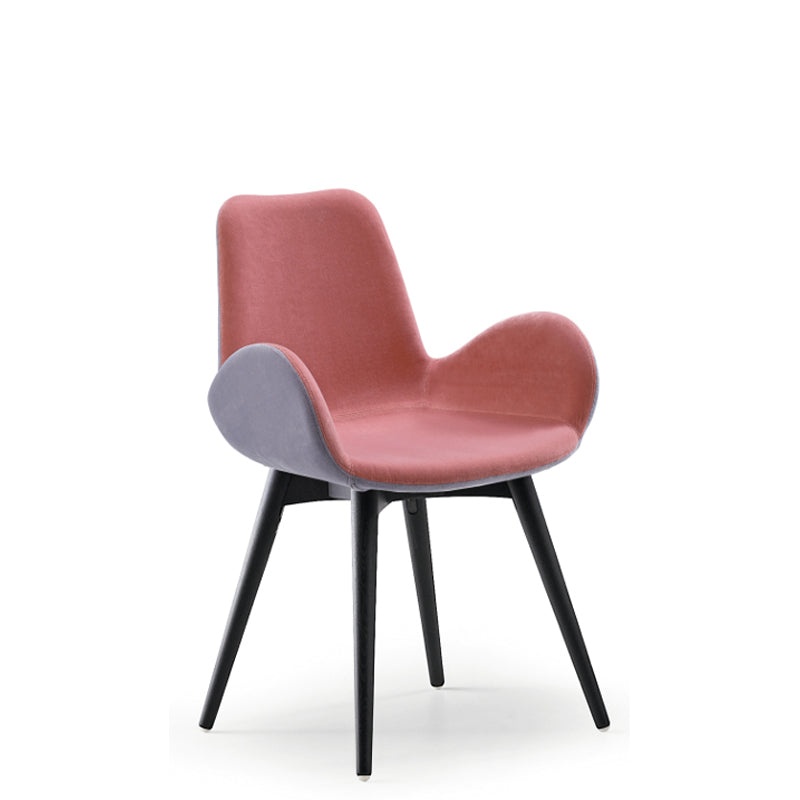
Quality upholstery should last 10 to 20 years, while premium cushions typically maintain their comfort for 10 to 15 years. Their lifespan depends on the filling, fabric, and how the furniture is used every day.
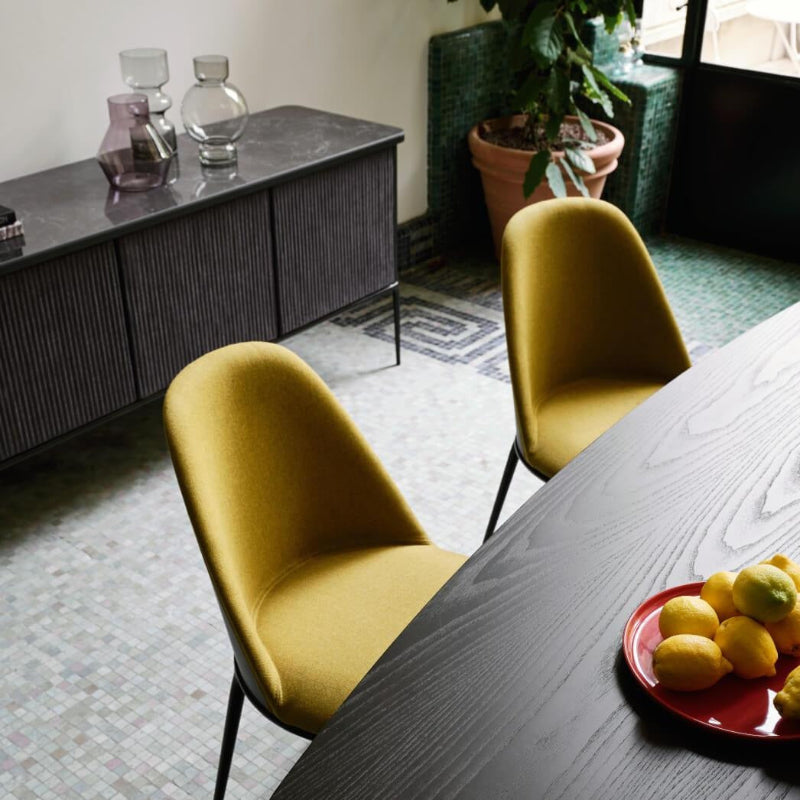
A sofa that's enjoyed every evening will naturally wear differently from one in a formal living room. That's why luxury brands invest in better materials from the inside out, creating seating that stays comfortable long after the first few years.

Which furniture finishes and surfaces wear best over time?
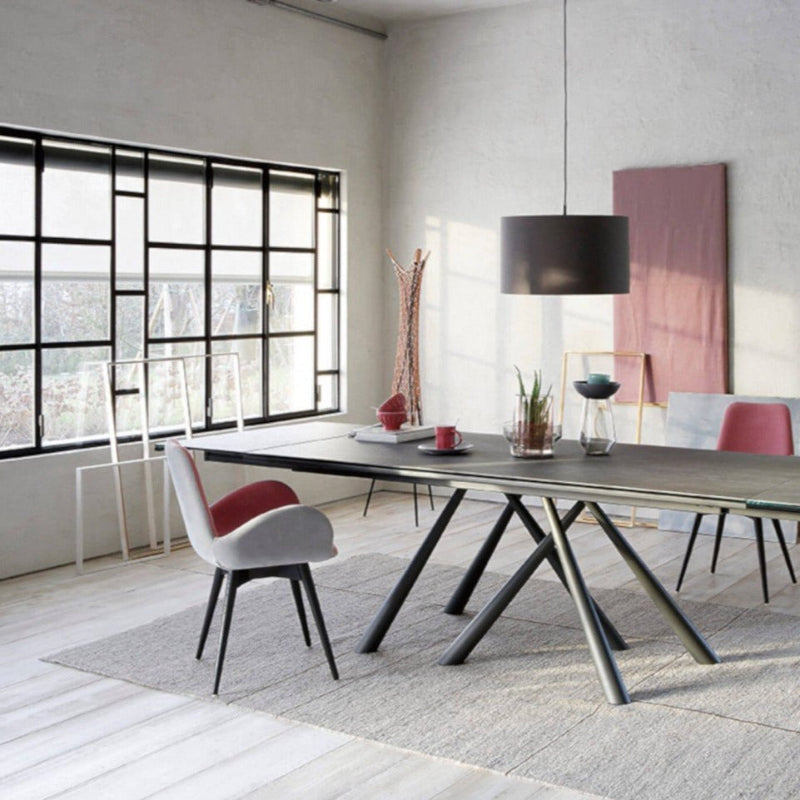
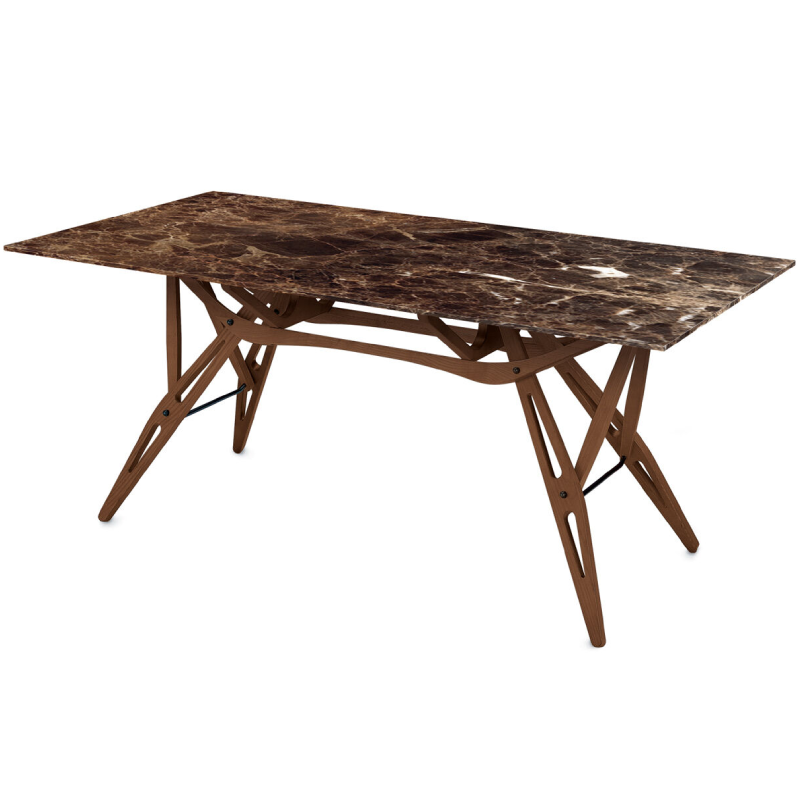
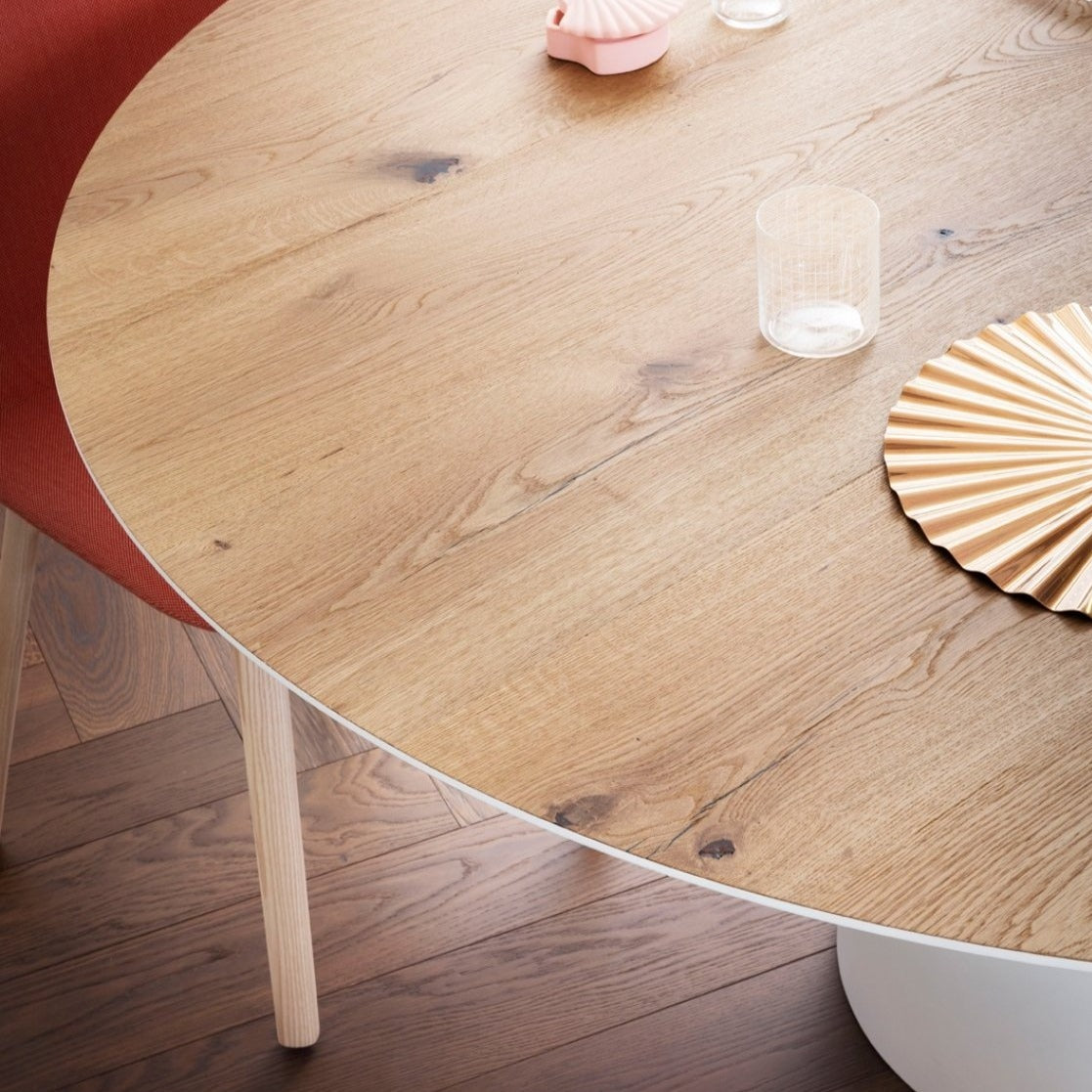
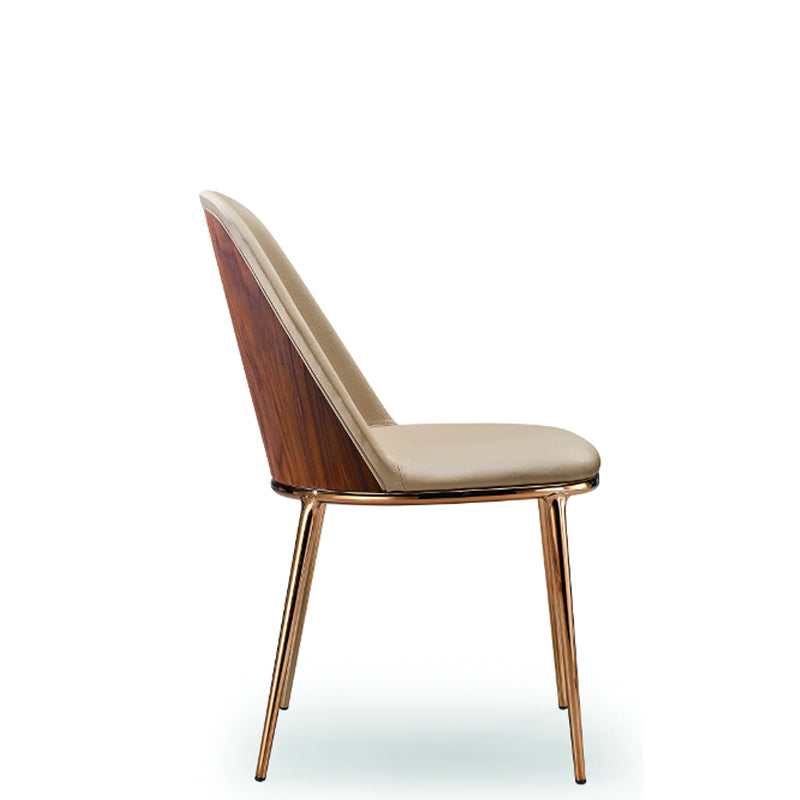
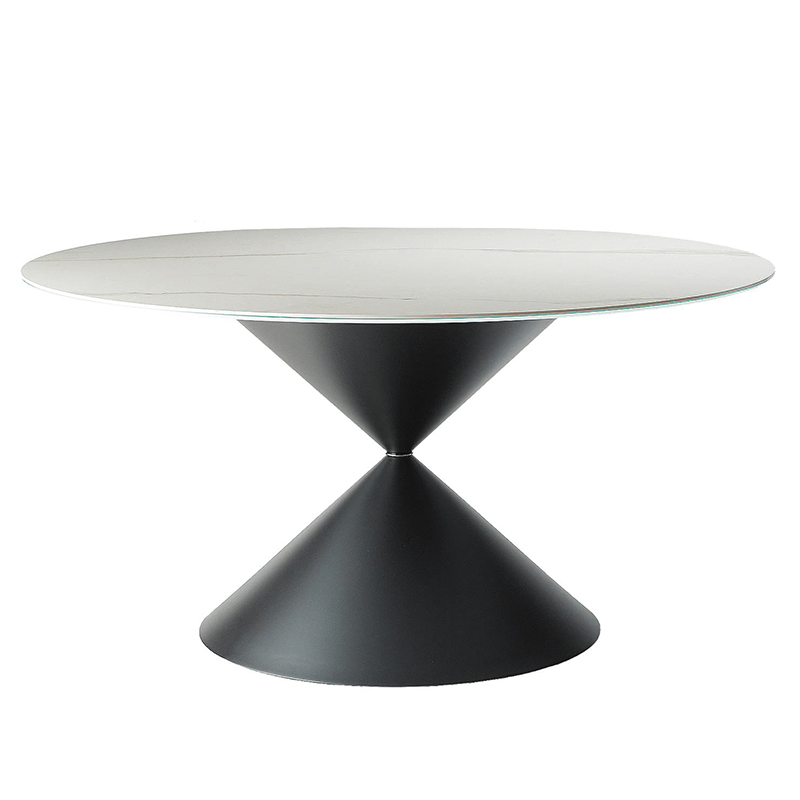
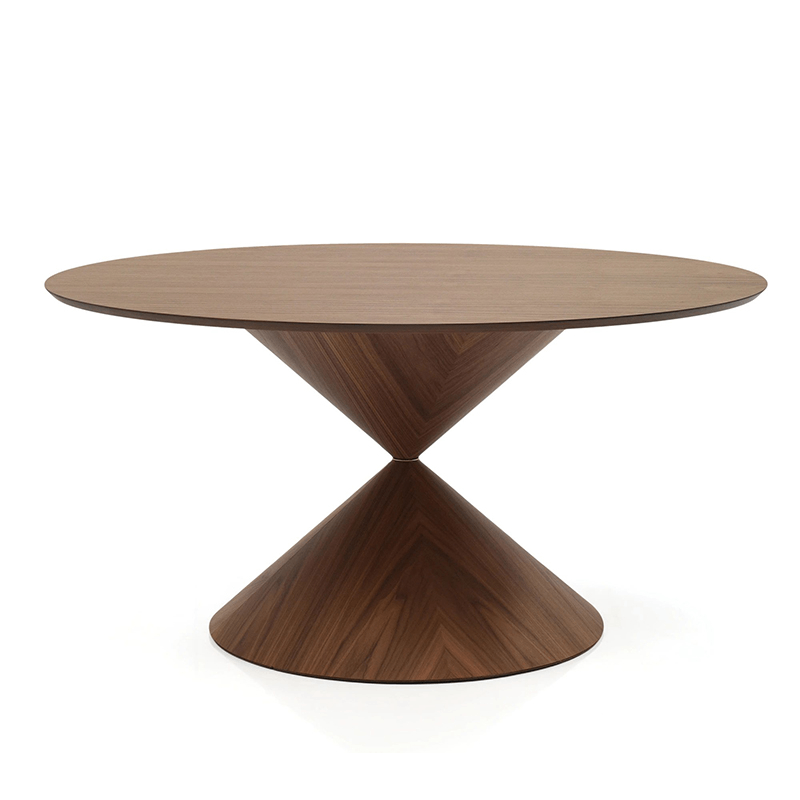
Ceramic, natural stone, solid wood, and powder-coated metal are among the most durable finishes for everyday living for sofas, stools, dining table and chairs. The right choice depends on how the piece will be used and how much maintenance you're comfortable with.
|
Finish or Surface |
Why It Lasts |
Best For |
|
Porcelain/Ceramic |
Scratch, heat, and stain resistant |
Dining & coffee tables |
|
Natural stone |
Durable with proper sealing |
Tables & side tables |
|
Solid wood |
Can be refinished and ages beautifully |
Tables, beds & storage |
|
Powder-coated metal |
Resists chips and corrosion |
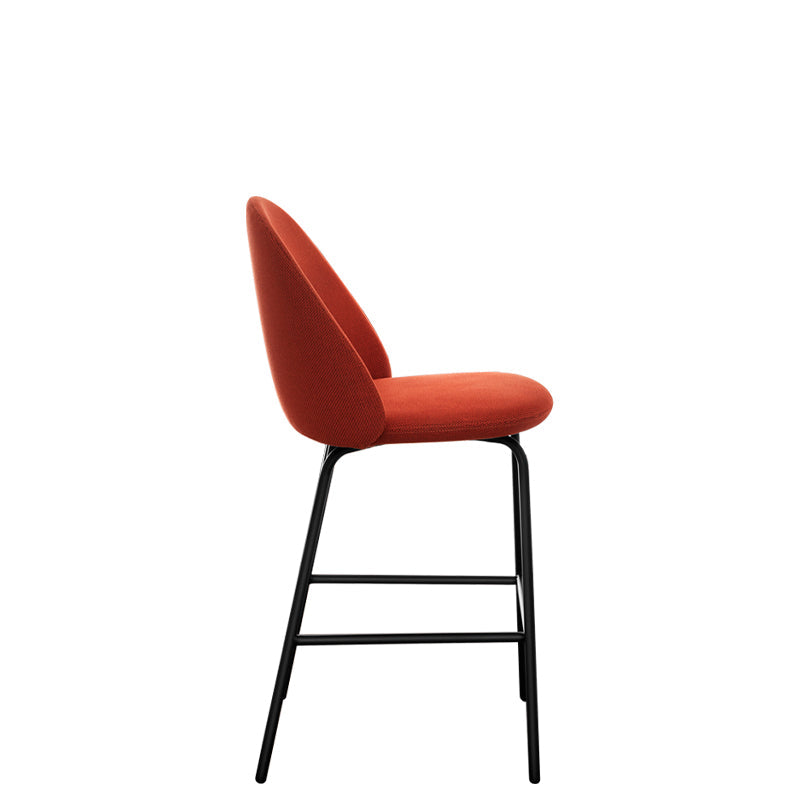
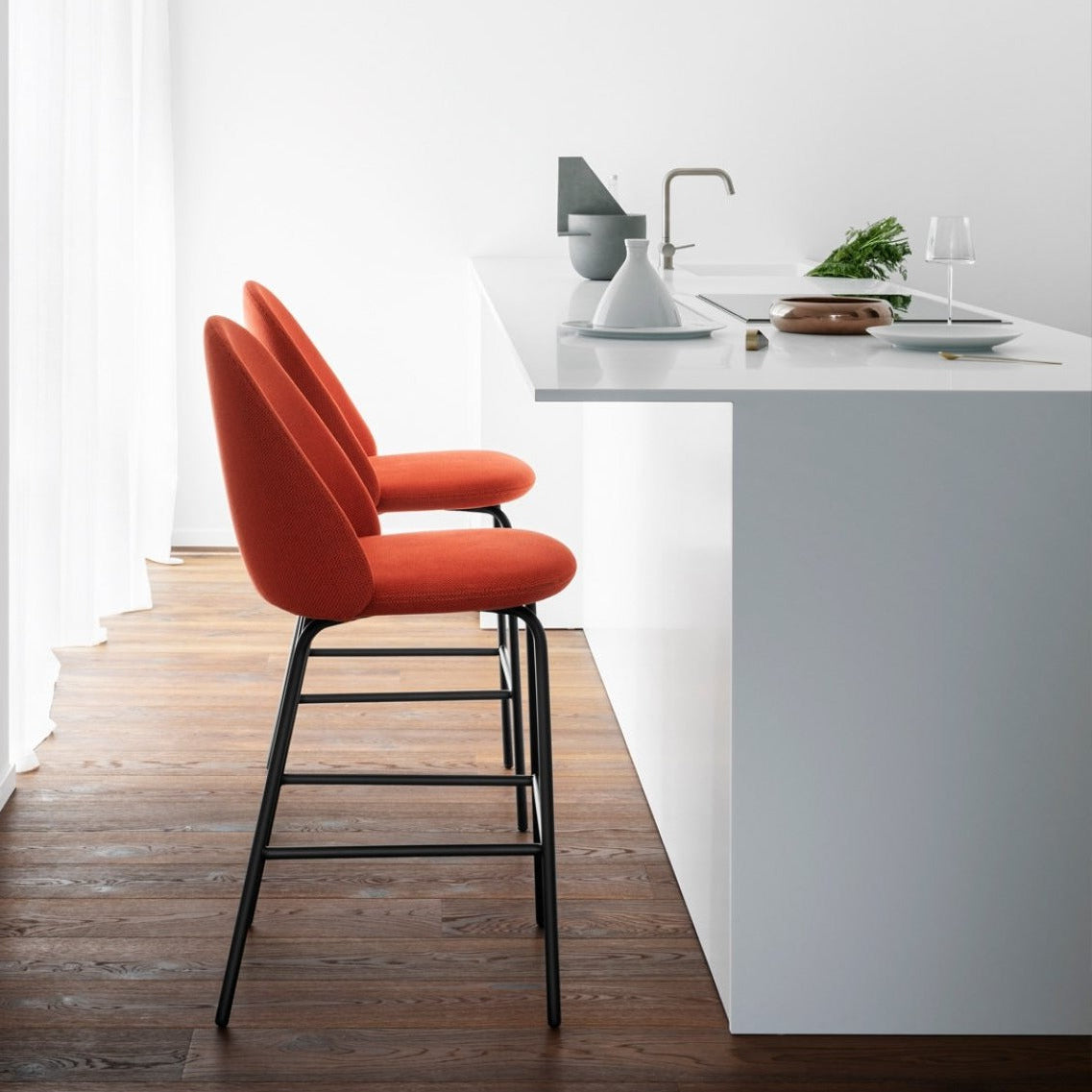
Chairs, counter bar stools & table bases |
|
Wood veneer |
Stable and durable when well-crafted |
Cabinets & shelving |
|
Tempered glass |
Stronger than standard glass and easy to maintain |
Coffee tables & shelving |
Some finishes develop character with age, while others retain their original appearance. The best choice is the one that complements both your lifestyle and your home.
How does use and environment change how long furniture lasts?
Even beautifully crafted furniture responds to its surroundings. Direct sunlight can fade fabrics and timber, fluctuating humidity may affect natural wood, and heavy daily use will naturally create more wear than a guest room that's used occasionally.
A few simple habits can make a noticeable difference:
-
Rotate cushions regularly to encourage even wear.
-
Keep furniture away from prolonged direct sunlight.
-
Clean spills promptly from upholstered furniture, luxury rugs, and materials that are easily damaged using the recommended care products.
-
Maintain a consistent indoor humidity level, especially for solid wood furniture.
More to Read
How to Keep Modern Dining Chair Cushions Looking Their Best
Simple care tips to help your dining chair cushions stay comfortable and looking their best.
How to Choose a Durable Sofa Fabric That Fits Your Lifestyle
Compare popular upholstery fabrics to find one that suits your home and everyday routine.
Solid Wood vs. Veneer: Which Is Better for Long-Term Durability?
Understand the key differences between solid wood and veneer before making your next furniture investment.

Written by Noah Redwood
Noah Redwood is a lifestyle blogger and content creator known for his discerning eye and intuitive sense of design. With years of experience exploring the world of luxury furniture and home décor, he has a rare ability to recognize what makes a piece truly exceptional, in form, proportion, and detail. His work celebrates the art of seeing, helping readers recognize the nuances of great design.