
What Is the Most Durable Sofa Fabric?
A well-chosen sofa has a certain ease to it. It sits comfortably in the room, feels balanced from every angle, and never asks to be handled carefully. The fabric looks intentional, not decorative, and the sofa itself feels like it belongs rather than competes for attention.
That sense of ease is rarely accidental. It usually comes from a few smart decisions made early on, especially when it comes to upholstery. Fabric may not be the first thing you notice, but it’s the element that determines how long a sofa continues to feel settled once daily life takes over.
As rightfully said by Vogue,
“Upholstery options are virtuously endless and are arguably the most fun part of the sofa shopping experience.”
The shape may draw you in at first, but the fabric ultimately determines how well the sofa holds up to real use. Let’s discuss these fabrics in detail.
What Does “Durable” Actually Mean for Sofa Fabrics?
When people talk about durability, they often imagine a fabric that never changes, but that’s not how sofas really live in a space. Durable upholstery isn’t frozen in time; it’s consistent. It compresses and recovers without drama, softens without losing structure, and wears evenly instead of breaking down in one obvious spot.
In real homes, durability shows up quietly. Cushions still feel supportive months in. Arms don’t look tired before the rest of the sofa does. Color stays even rather than fading in patches. The fabrics that do this well aren’t necessarily the thickest or the most textured; "durable" refers to strong fibers, tight weaves, and good recovery.
Which Sofa Fabric Lasts the Longest With Kids and Pets?
Homes with kids and pets tend to reveal what works and what doesn’t fairly quickly. Cushions get climbed on, arms get leaned into, one seat becomes the favorite, and it stays that way.
In these spaces, the most successful fabrics are those that require minimal care or attention.
Over time, we’ve consistently seen better results with:
-
Solution-dyed synthetic fabrics, where the color runs through the fiber
-
Performance fabric blends designed to handle friction and stains
-
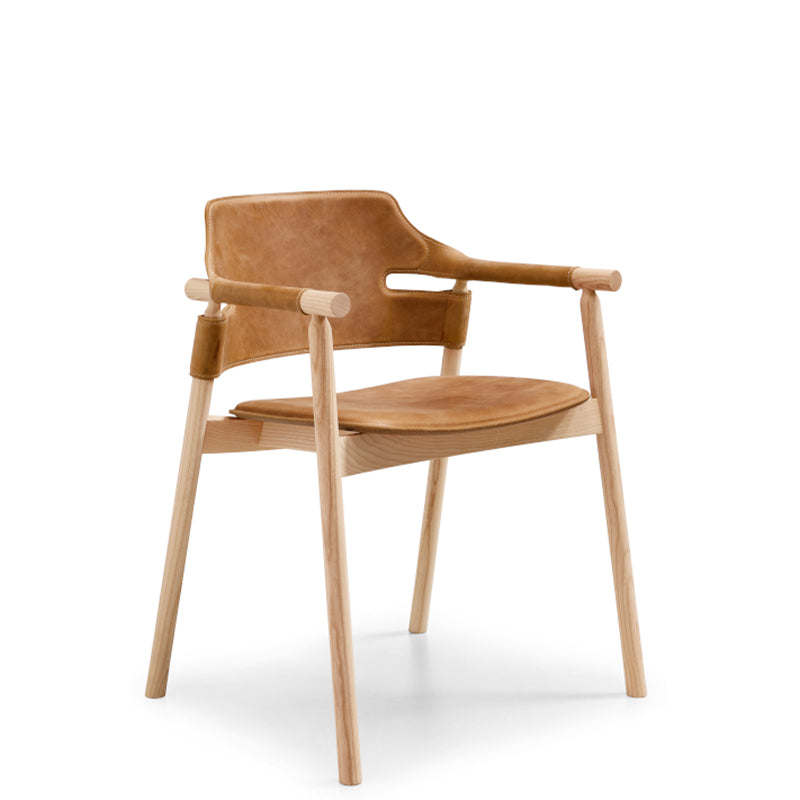
Well-finished leather, especially on more structured sofas
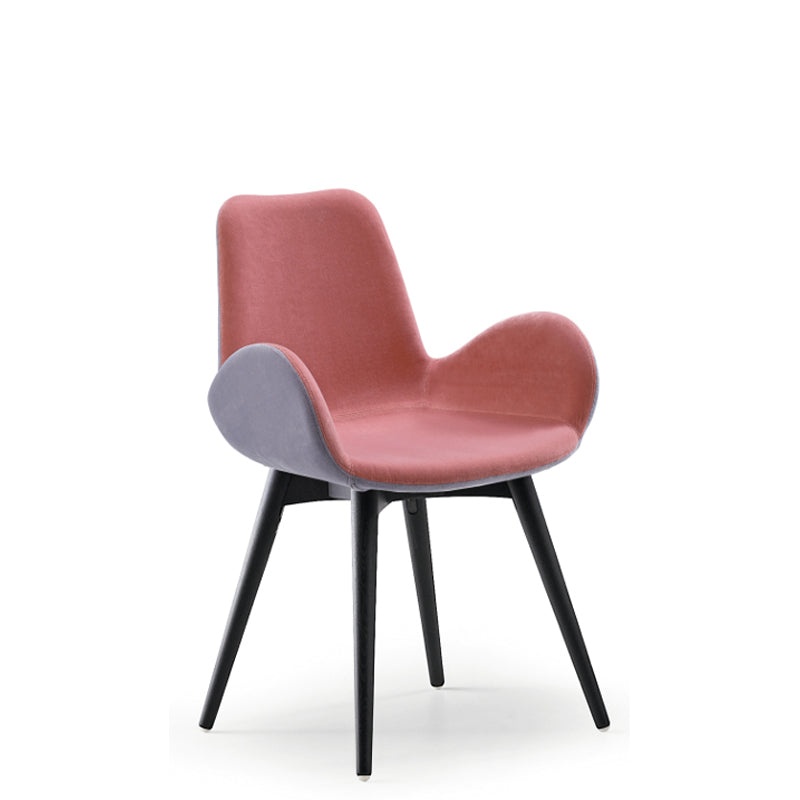
Performance fabrics stand out not because they look different on day one, but because they behave better over time. Spills feel manageable, wear shows up slowly, and modern couches keep their shape even when cushions aren’t rotated as often as they should be.

Are Synthetic “Performance” Fabrics Really Better Than Natural Fibers?
In high-use living spaces, yes, they usually are.
Natural fibers bring warmth and texture, and in lower-traffic rooms, they can be beautiful. However, in main living areas, they tend to show wear sooner and require more attention. Compression becomes visible, stains set more easily, and maintenance becomes part of ownership.
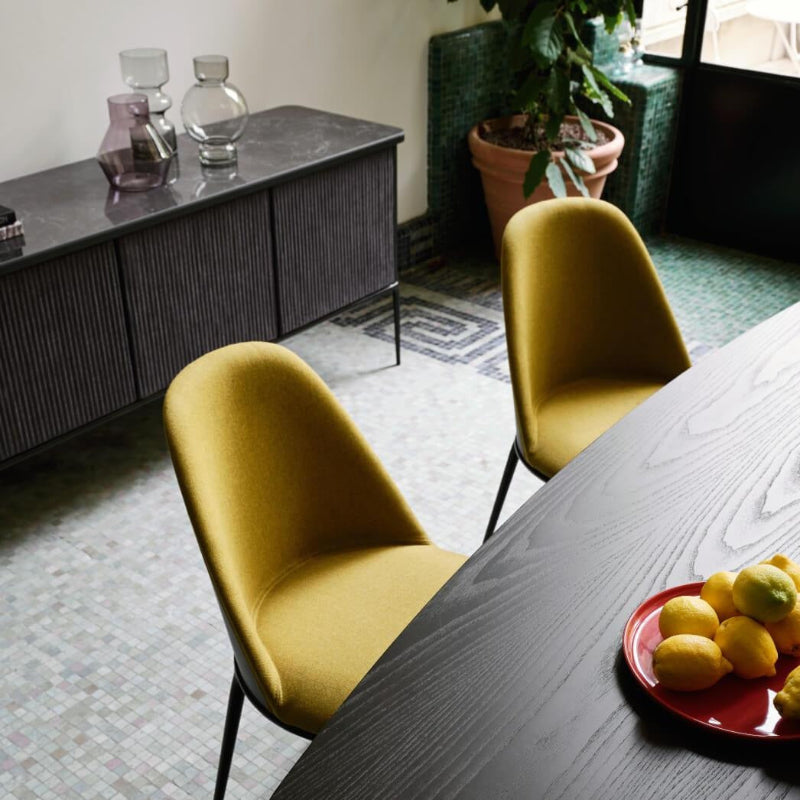
Performance fabrics were developed to handle repetition, movement, and occasional spills without constant care. Early versions felt utilitarian, but newer ones are softer, more flexible, and far more refined. Over time, they tend to keep their structure longer and wear more evenly, which is why they’ve become a go-to choice for everyday seating.
Is Leather More Durable Than Fabric for Sofas?
Leather tends to divide opinion, often for aesthetic reasons, before performance ever enters the conversation.
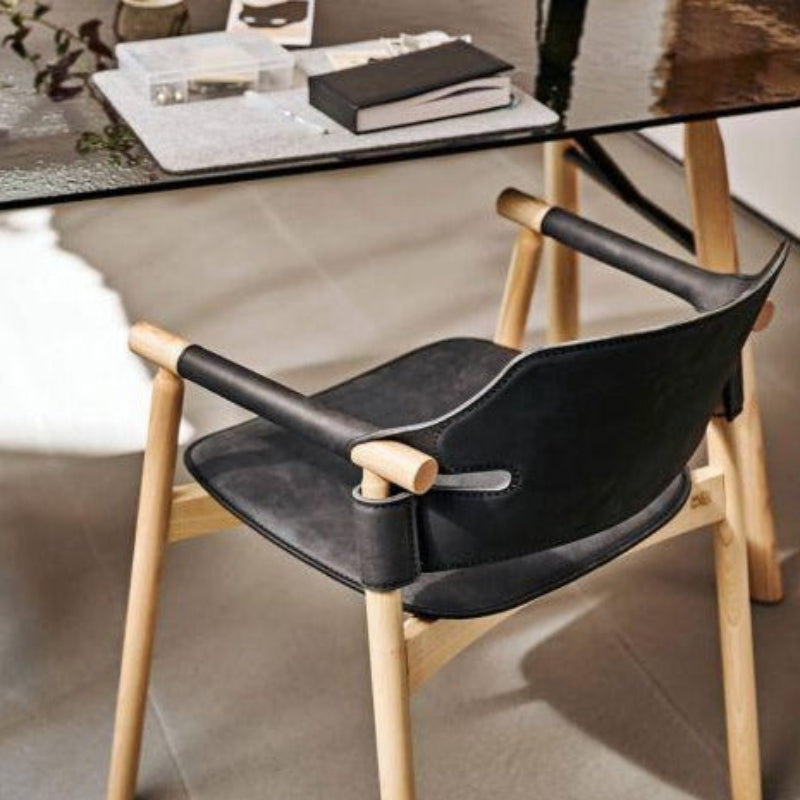
Good leather holds its shape. It doesn’t pill, it doesn’t stretch unpredictably, and it manages friction better than most fabrics, especially along seat edges and arms where wear shows first. Spills sit on the surface instead of sinking in, and everyday cleaning is usually simple.
As Architectural Digest states,
"Genuine leather is lauded for its durability and longevity—it’s only going to look better with age and some patina."
However, what leather does not do is disappear. Scratches show; sunlight can deepen or darken the tone unevenly. Conditioning is part of ownership, not an optional step. In homes where those trade-offs feel acceptable, leather can outlast many fabric sofas. In more relaxed, high-comfort spaces, performance fabric often makes more sense.
Durability here isn’t about ranking materials, but about tolerance: what kind of wear you’re comfortable seeing, and how much upkeep you’re willing to accept.

Are “Double Rubs” a Reliable Way to Judge Durability?
Double rubs measure abrasion resistance, and they’re useful, but they’re not the full story.
They can help eliminate fabrics that simply aren’t suitable for daily seating, but they don’t tell you how a fabric will recover after sitting, whether it will pill, or how it will age over the years of use. A moderately rated fabric with strong fibers and good construction often outperforms one with extreme abrasion numbers and poor recovery.
You should think of double rubs as a baseline, not a deciding factor.
What Fabric to Avoid for a Couch?
Some fabrics ask for a lifestyle most people don’t actually have.
They photograph beautifully. They feel luxurious under perfect conditions. But once they move into daily use, the gap between expectation and reality becomes clear.
Fabrics that tend to struggle on primary sofas include:
-
Loosely woven linens that relax quickly and lose definition
-
Low-abrasion velvets that crush and mark easily
-
Silk or viscose-heavy blends that stain and wear unpredictably
These materials aren’t inherently poor quality. They’re simply better suited to lower-use seating, accent pieces, or modern living spaces where appearance matters more than longevity. As a main sofa fabric, they often disappoint.
What Are High-Quality Sofas Made Of?
Durable fabric can only do so much if the sofa underneath isn’t built well. High-quality sofas rely on kiln-dried hardwood frames, supportive suspension systems, and cushions made with high-resiliency foam or layered fills that hold their shape. When the structure is sound, the upholstery wears more evenly and the sofa ages better overall.
Fabric and construction work together. One can’t compensate for the other.
How Many Cushions Look Best on a Sofa?
Cushion count affects both comfort and longevity.
In most modern interiors, fewer cushions create a calmer silhouette and tend to wear more evenly. Large sofas usually look better with wider, fewer cushions, while smaller sofas benefit from defined, individual seats. Too many cushions can feel cluttered and often lead to uneven wear. It’s a small decision that has a surprisingly long-term impact.
What Sofa Fabric Is Best in Sunny Rooms?
Sunlight is one of the quietest forces working against upholstery.
For bright rooms with consistent natural light, solution-dyed synthetics, high-quality performance fabrics, and protected leathers tend to perform best. They hold color more consistently and age more evenly, even when the sofa sits near windows year-round.

Final Thoughts
Durability isn’t something you notice immediately. It shows up in how little attention a sofa demands once it becomes part of everyday life.
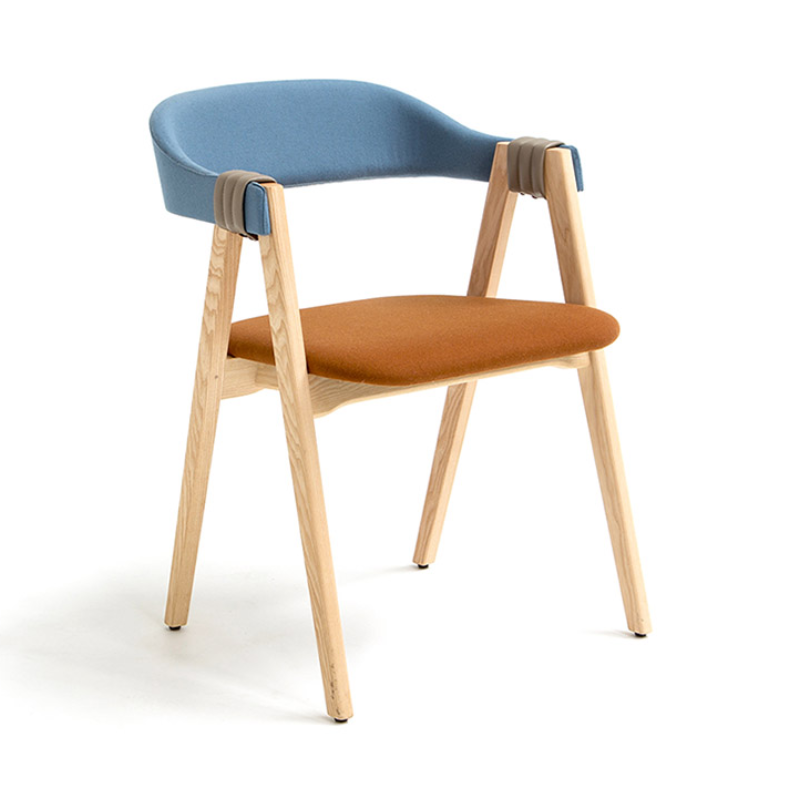
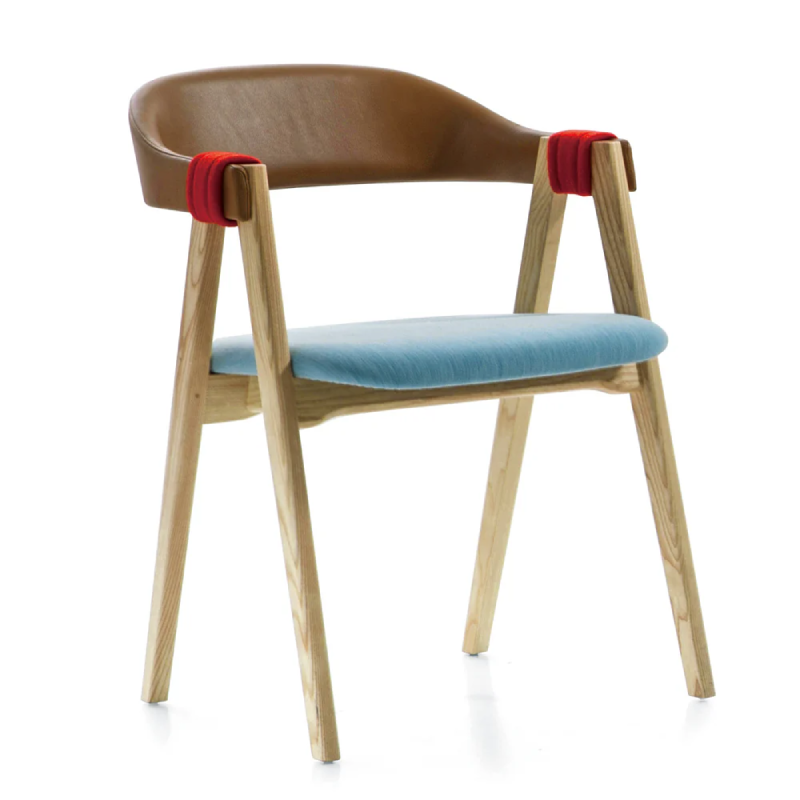
When fabric, construction, and proportion align, the sofa holds its place quietly, even as the space around it evolves. That’s why pieces from thoughtful luxury furniture brands and collections like Moroso continue to feel right for long-term modern living, not because they chase trends, but because they’re designed to live well over time.
More Blogs You’d Like
Is Performance Fabric the Smart Choice?
A closer look at how performance fabrics hold up in real homes, and when they truly make sense for long-term living.
Genuine Luxury Furniture Brands: What Sets Them Apart
An exploration of what defines true luxury furniture, from materials and construction to how pieces age over time.
What Does Contract Grade Mean for Restaurant Chairs?
A clear breakdown of what contract grade really means, why it matters in high-use spaces, and how it impacts long-term furniture performance.

Written by Isaac Grey
Isaac Grey is a digital marketing strategist and content creator who has spent the last several years researching and providing knowledge on furniture styles, design questions, consumer dilemmas, and design trends. He encourages people to consider the practical and functional implications of design, guiding them to make thoughtful, well-reasoned decisions that balance aesthetics with utility. His approach helps readers understand the why and how behind design choices and how to make spaces truly “work.”