Which Home Improvements Add the Most Property Value
What Kind of Renovation Upgrades Actually Increase Property Value?
Some renovations photograph beautifully and still do almost nothing for resale value. Others barely register on Instagram, yet buyers walk into the home and immediately feel the difference. And yes, that difference is usually emotional before it’s logical.
We’ve seen this play out again and again.
A homeowner spends six figures on dramatic statement finishes, only for buyers to fixate on the awkward kitchen flow or the lack of storage. Meanwhile, another home quietly wins people over because the lighting feels right, the layout makes sense, and the materials age gracefully instead of demanding attention every five seconds.
That’s usually the dividing line.
The renovations that actually increase property value tend to improve how a home lives, not just how it looks in listing photos.
And honestly, realtors will tell you the same thing. Buyers remember the homes that feel effortless to move through.
Kitchens Still Matter — But Not in the Way They Used To
For years, luxury kitchens became bigger and bigger. Massive islands. Open shelving everywhere. Marble on every surface imaginable. Some of it worked beautifully. Some of it aged…fast.
Now, buyers seem more interested in kitchens that feel grounded and functional.
The upgrades that consistently add value tend to include:
- Integrated appliances that visually disappear into cabinetry
- Oversized islands with actual seating comfort
- Walk-in pantries or hidden prep spaces
- Layered lighting instead of one harsh ceiling fixture
- Durable countertop materials that hold up in real life
And lighting matters far more than people think. We’ll be the first to admit we underestimated this years ago too.
A thoughtfully lit kitchen feels expensive even before anyone notices the finishes. Whether it's a modern home in Miami, a renovation in Phoenix, or a new build in Los Angeles, cabinetry plays an important role in bringing the overall design together. Similar considerations apply to cabinet supply for Chicago projects, where choosing suitable styles, materials, and finishes is an important part of creating a functional and cohesive kitchen. Under-cabinet lighting, warm recessed lighting placement, dimmers, pendants that don’t overwhelm the room - it all changes the atmosphere immediately.Under-cabinet lighting, warm recessed lighting placement, dimmers, pendants that don’t overwhelm the room — it all changes the atmosphere immediately.
And yes, it’s noticeable in real life.
Built-In Storage Changes Everything
Custom storage rarely becomes the “wow” feature during a home tour. But buyers absolutely notice when it’s missing.
Especially now.
As homes continue pulling double duty for work, entertaining, and everyday family life, built-ins have shifted from luxury detail to near necessity.
The features buyers consistently respond to include:
- Mudrooms with concealed storage
- Built-in media walls
- Walk-in pantry systems
- Modular wardrobe cabinets
- Custom wardrobes
- Under-stair storage solutions
And interestingly, these upgrades often blur the line between interior design and architecture. The best built-ins feel like they were always part of the home, not added afterward as an afterthought.
That distinction matters more than people realize.
Wine Rooms Have Become Design Features, Not Just Storage. A few years ago, wine storage was usually tucked away in basements or hidden behind closed doors.
Now, buyers are responding to something different.
Modern glass wine cellar now function more like architectural features than utility spaces. When integrated into dining areas, kitchens, or transitional living spaces, they create visual interest while still serving a practical purpose.
Unlike some luxury upgrades that feel overly specific, wine rooms often contribute to the home's overall atmosphere. They add character, create a focal point, and help larger open-concept spaces feel more intentional.
The best examples feel fully integrated into the architecture rather than added later. Much like custom built-ins, they work because they appear to belong there from the beginning.

Layout Improvements Outperform Cosmetic Renovations
This is where homeowners sometimes learn things the hard way.
A home can have beautiful finishes and still feel frustrating to live in because the layout never quite works. Tight walkways. Strange transitions. Rooms that technically exist but don’t feel usable.
Buyers pick up on that immediately, even if they can’t fully explain why.
Which is why structural layout improvements often create more long-term value than cosmetic upgrades alone.
Things like:
- Widening openings between main living spaces
- Improving natural traffic flow
- Creating flexible rooms for hybrid work or guests
- Increasing natural light access
- Strengthening indoor/outdoor continuity
We’ve noticed buyers are becoming especially sensitive to flow and flexibility lately. Probably because people are spending more time at home than they used to, so awkward layouts become impossible to ignore after a while.
And honestly? A home that feels calm and intuitive almost always photographs better too.
Spa-Inspired Bathrooms That Buyers Remember
Bathrooms have quietly become one of the most influential rooms in the house when it comes to perceived luxury value. Not because buyers expect hotel-level extravagance, but because they want the space to feel calm, intentional, and easy to maintain.
And those are very different things.
The bathroom renovations that consistently resonate tend to lean architectural rather than overly decorative. Warmer stone finishes. Larger walk-in showers. Floating vanities, like those from BathGems.com, that create real visual openness. Better lighting placement around mirrors. Storage that disappears into the walls instead of crowding the room.
The shift away from cold, ultra-minimal bathrooms has been especially noticeable lately.
People want warmth again.
Some of the most valuable upgrades include:
- Natural stone with visible texture and variation
- Frameless glass showers with softer hardware finishes
- Layered lighting instead of overhead-only fixtures
- Wall-mounted vanities that visually open the room
- Heated flooring in colder climates
- Built-in shower niches and concealed storage
And if experience has taught us anything, it’s that buyers respond strongly to bathrooms that feel timeless rather than aggressively trendy.
Because trends in bathrooms age real fast.
Indoor-Outdoor Continuity Is Becoming a Luxury Standard
Years ago, outdoor spaces felt like a bonus feature. Now they feel fully connected to the identity of the home itself.
Especially in higher-end properties.
One thing architects and realtors consistently agree on is that continuity matters. Buyers notice when the materials, tones, and architectural language flow naturally from inside to outside.
It makes the entire property feel more custom built.
The upgrades creating the strongest return right now tend to include:
- Steel-framed glass doors
- Large-format patio surfaces that visually extend interior flooring
- Covered outdoor dining areas
- Architectural landscaping instead of overly manicured gardens
- Exterior lighting plans that soften the property at night
Take steel-framed glass doors, for example. When they open onto a large-format patio that matches the flooring inside, the line between indoors and outdoors almost disappears. But that effect only holds up if the glass itself has thin frames and clean sightlines, which is exactly where the brand you pick starts to matter. So for renovations, people can check modern windows and doors by Fusion Windows, Pella, or Home Depot to compare frame styles and glass options. And like most of these upgrades, it works best when you barely notice it's there.
The same principle applies to outdoor shade structures. A pergola can create a natural transition between the home's interior and the patio without making the space feel overly enclosed. For homeowners planning a more permanent upgrade, aluminum pergola kits can provide a clean architectural element that complements modern exterior materials while adding a practical layer of shade and comfort.
And interestingly, some of the most effective exterior renovations are the subtle ones. A well-designed entry path. Better proportions around the front door. Lighting that highlights texture instead of flooding the house with brightness.
Those details change the emotional reaction people have when they first arrive.
…and yes, buyers absolutely remember that feeling later.
The Homes That Hold Their Value Usually Feel Personal
This is probably the most overlooked part of renovation strategy.
The homes that tend to perform best long term rarely feel overly designed. They feel layered. Comfortable. Lived in without feeling cluttered. Refined without trying too hard.
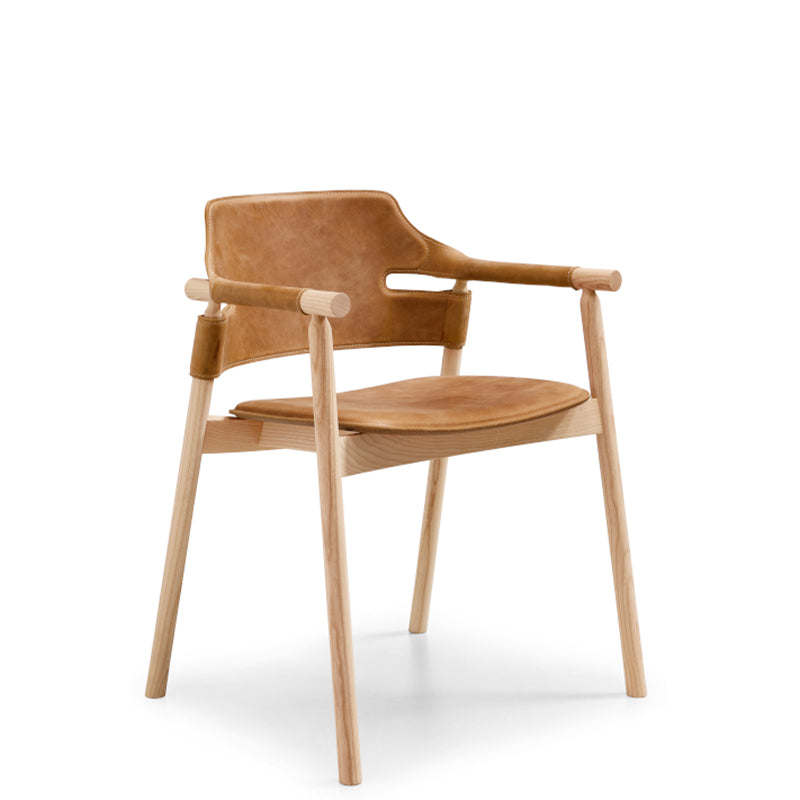
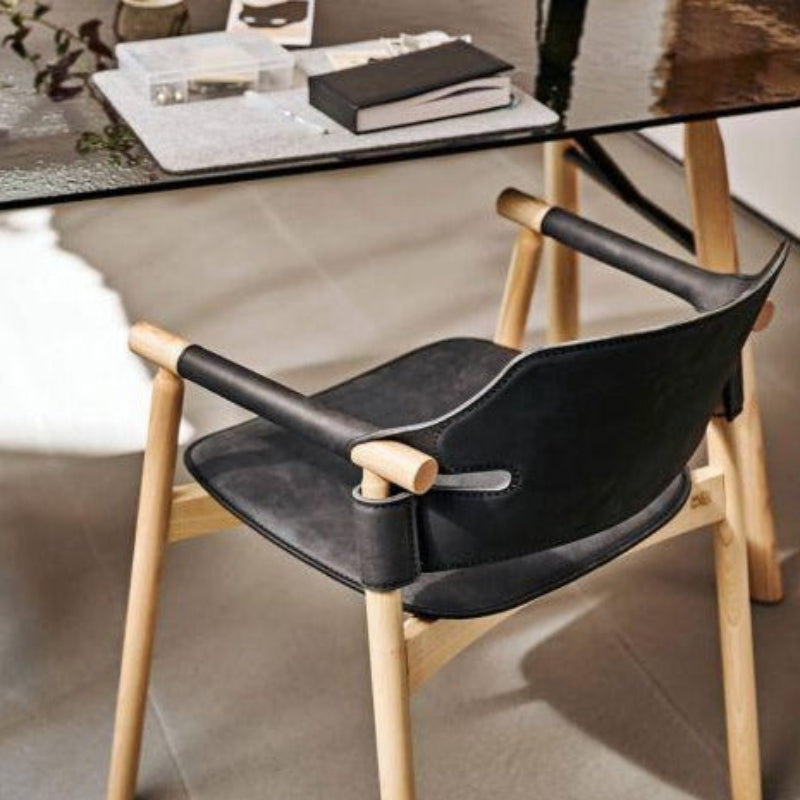
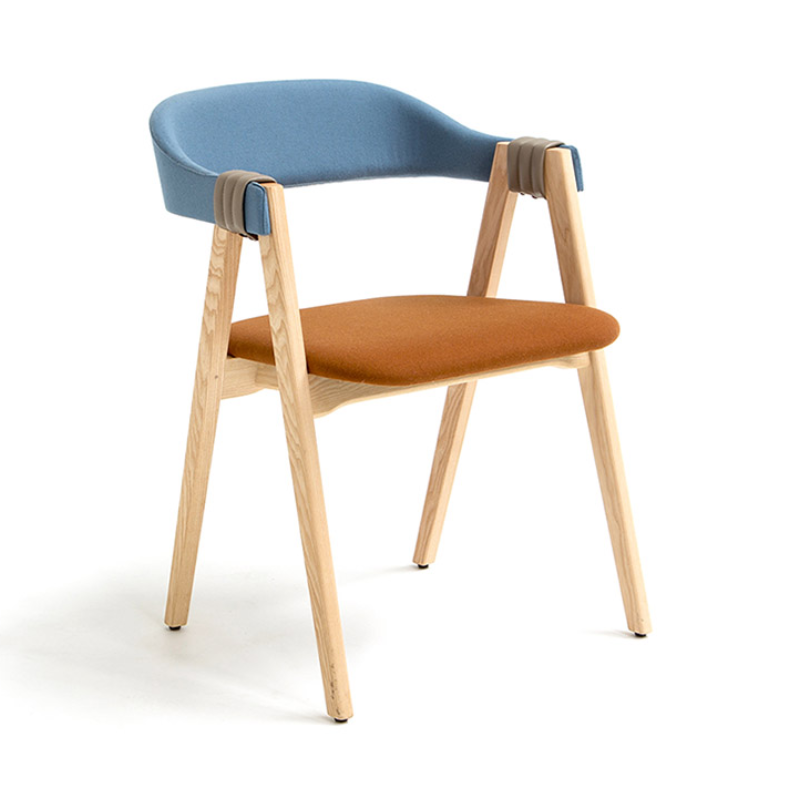
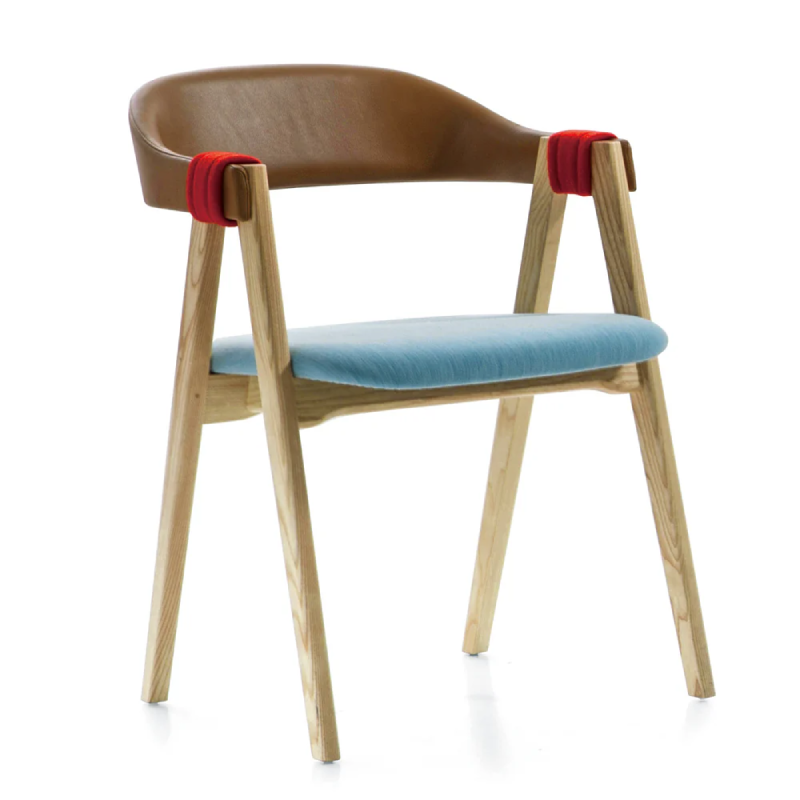
Spaces that support daily routines instead of simply staging moments. This is especially important when selecting furniture for my apartment or flat, where every piece often needs to balance comfort, function, and long-term
That balance is difficult to fake.
We’ve noticed buyers are becoming increasingly drawn to homes that feel emotionally grounded rather than hyper-styled for social media. Warmer woods. Softer lighting. Rooms with actual purpose. Spaces that support daily routines instead of simply staging moments.
That’s part of why “quiet luxury” design has resonated so strongly lately.
Not because it’s understated for the sake of being understated, but because people are craving homes that feel calmer to exist inside.
And honestly, that may end up being one of the biggest value-driving design shifts of the next decade.
Because eventually, buyers stop chasing what looks impressive online.
They start looking for homes that actually feel good to come back to every day.
Why Warmer Minimalism Is Replacing Cold Modern Interiors
For a long time, luxury homes leaned heavily into sharp contrast. Bright white walls. Matte black accents. Extremely minimal styling. And while some of those spaces photographed beautifully, many of them felt strangely untouchable in person.
Almost too polished.
Now we’re seeing a very different direction emerge — one that blends modern architecture with softer, more livable materials.
Warmer minimalism is becoming the design language buyers connect with most because it feels elevated without feeling sterile.
And yes, there’s a huge difference.
Some of the elements showing up repeatedly in higher-value renovations include:
- White oak cabinetry and flooring
- Textured plaster or limewash walls
- Warm bronze and brushed metal finishes
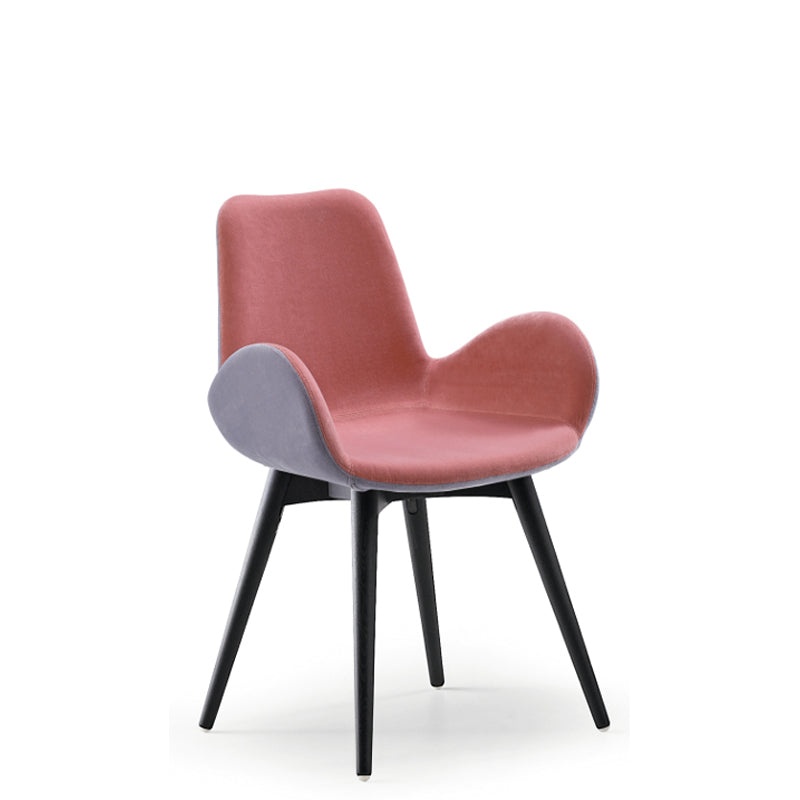
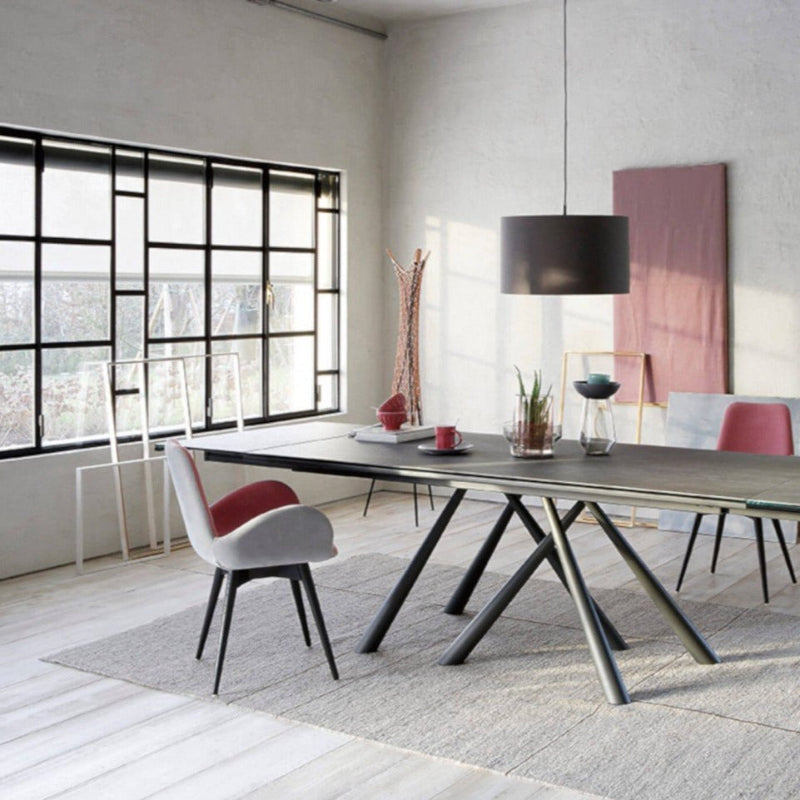
- Oversized upholstery with softer silhouettes
- Stone with visible movement and imperfections
- Architectural lighting that creates shadow and depth
Interestingly, these spaces often feel more expensive precisely because they aren’t trying so hard to impress people immediately.
The restraint is what makes them memorable.
Luxury Buyers Are Paying More Attention to Function Than Flash
This shift has become impossible to ignore lately.
People still appreciate beautiful homes, obviously. But buyers are asking far more practical questions now than they did a few years ago. Storage capacity. Maintenance requirements. Durability. Natural light throughout the day. Noise transfer between rooms.
And honestly, we think that’s a good thing.
Because some of the most visually dramatic renovations don’t actually hold up well over time.
We’ve had better luck with homes that prioritize longevity instead of chasing every passing design trend. Especially when it comes to heavily used spaces like kitchens, bathrooms, and flooring.
The upgrades that tend to age best include:
- Wide-plank hardwood flooring
- Custom millwork instead of temporary storage solutions
- Stone surfaces with matte or honed finishes
- High-quality window systems
- Flexible rooms that can evolve over time
Meanwhile, some trend-driven renovations already feel dated only a few years later.
And wow, did that teach a lot of homeowners a lesson.
Realtors Notice the Emotional Details First
This part surprises people sometimes.
Many homeowners assume realtors focus primarily on square footage, finishes, or pricing strategy during walkthroughs. But experienced agents often notice something much harder to quantify: how the house feels the moment someone walks inside.
The best homes create immediate comfort without needing explanation.
Usually, that comes from a combination of architectural proportion, lighting, texture, and layout rhythm working together quietly in the background.
Not fighting for attention.
We’ve heard realtors repeatedly mention details like:
- Natural light hitting the entryway correctly
- Consistent flooring transitions throughout the home
- Ceiling height balance between rooms
- Furniture scale matching the architecture
- Sightlines that make spaces feel calmer and larger
Those things sound subtle on paper. In person, they completely shape the experience of the house.
And buyers absolutely respond emotionally before they respond logically. That part never really changes.
Accessibility Focused Renovations
Accessibility-focused renovations are becoming increasingly important for homeowners who want to create safer and more functional living spaces. Features such as barrier-free showers, wider doorways, and improved lighting can benefit individuals with mobility challenges. When navigating disability-related benefits or legal matters associated with long-term health conditions, consulting a Toronto disability lawyer may help homeowners better understand their rights and available resources.
Conclusion
At the end of the day, the renovations that increase property value most consistently are rarely the loudest ones.
They’re the upgrades that make a home feel easier to live in, easier to move through, and honestly, more calming to come back to every day. Better lighting. Smarter layouts. Materials that age beautifully instead of demanding attention. Storage that quietly solves problems before they happen.
Those are the details buyers remember long after the showing ends.
And while trends will always shift — they always do — homes that balance architecture, comfort, and functionality tend to hold their appeal much longer than spaces designed purely for visual impact.
We’ve seen beautifully renovated homes struggle because the layout felt awkward or the finishes already looked dated. We’ve also seen simpler homes create immediate emotional connection because the proportions, lighting, and flow just felt right.
That distinction matters more now than ever.
Because modern luxury is moving away from excess and toward intention. And the homeowners who understand that are usually the ones making renovation decisions that continue paying off years later.

Written by Modern Loft Editorial Team
A team of writers and creatives, we see the home as a place for self-expression. Every article is written with curiosity and care, bringing ideas that are practical, inspiring, and lasting.