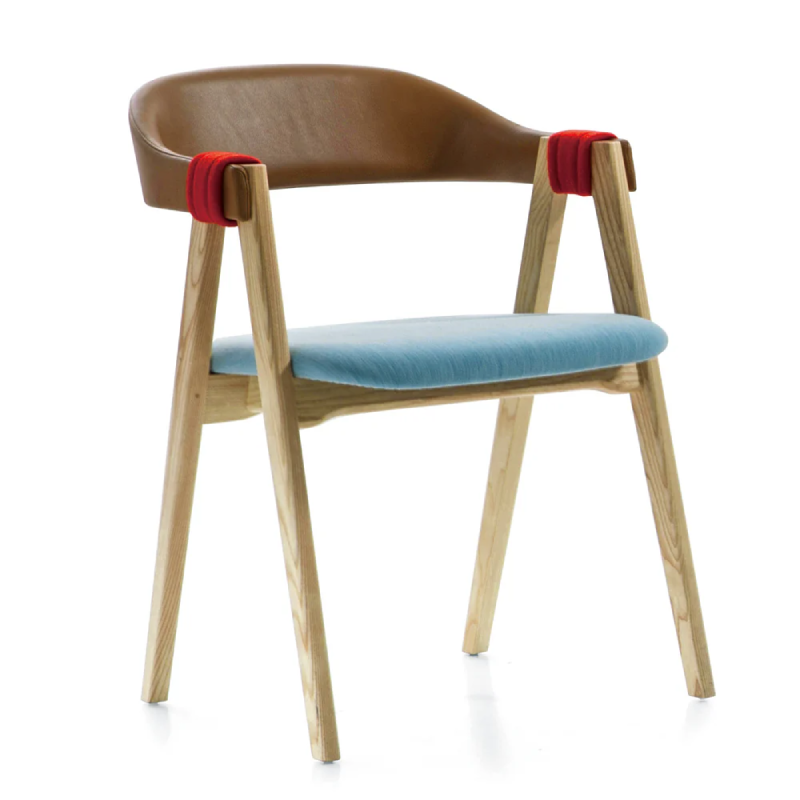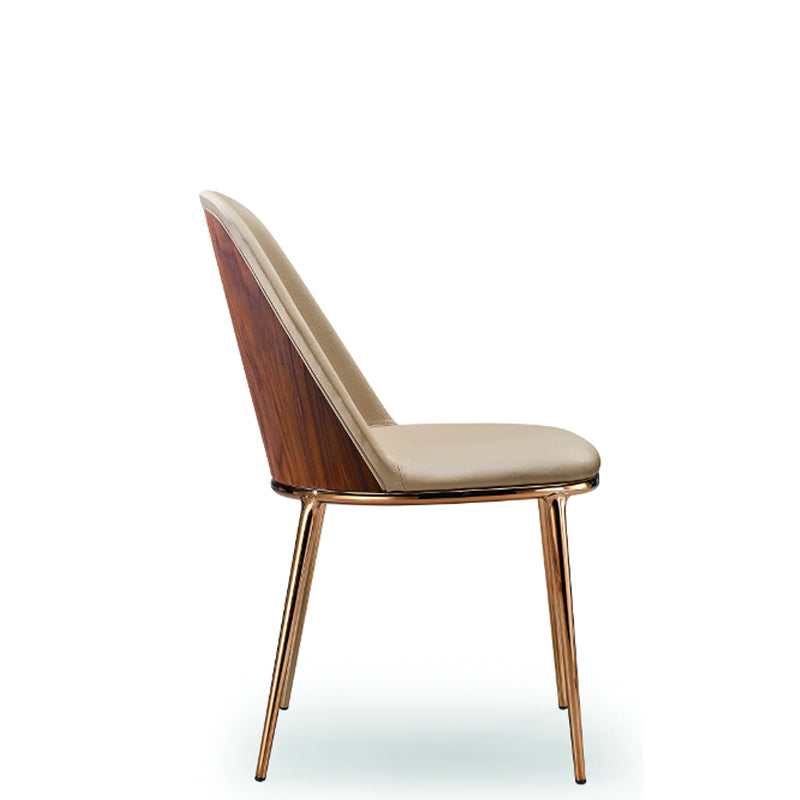
How much space in between bar stools? Follow these spacing rules.
The best kitchens rarely feel staged. As Elle Decor states,
“Bar stools aren't intended for hours of lounging. What they are intended for, however, is constant use.”
A half-finished crossword sits on the island, someone leaves their coffee mug beside a fruit bowl, and a friend pulls up a stool while you finish chopping vegetables. It's comfortable in the kind of way you can't really manufacture, and yet so much of that feeling comes down to thoughtful planning.
One of those details is the space between bar stools. It isn't something most people think about until the stools arrive and suddenly the island feels tighter than expected. The good news is that there's a simple spacing rule designers rely on, but it's only the starting point. The width of your stools, the length of your island, and even how your household uses the space all play an important role in creating a layout that feels comfortable rather than crowded.

How Far Apart Should Stools Be?
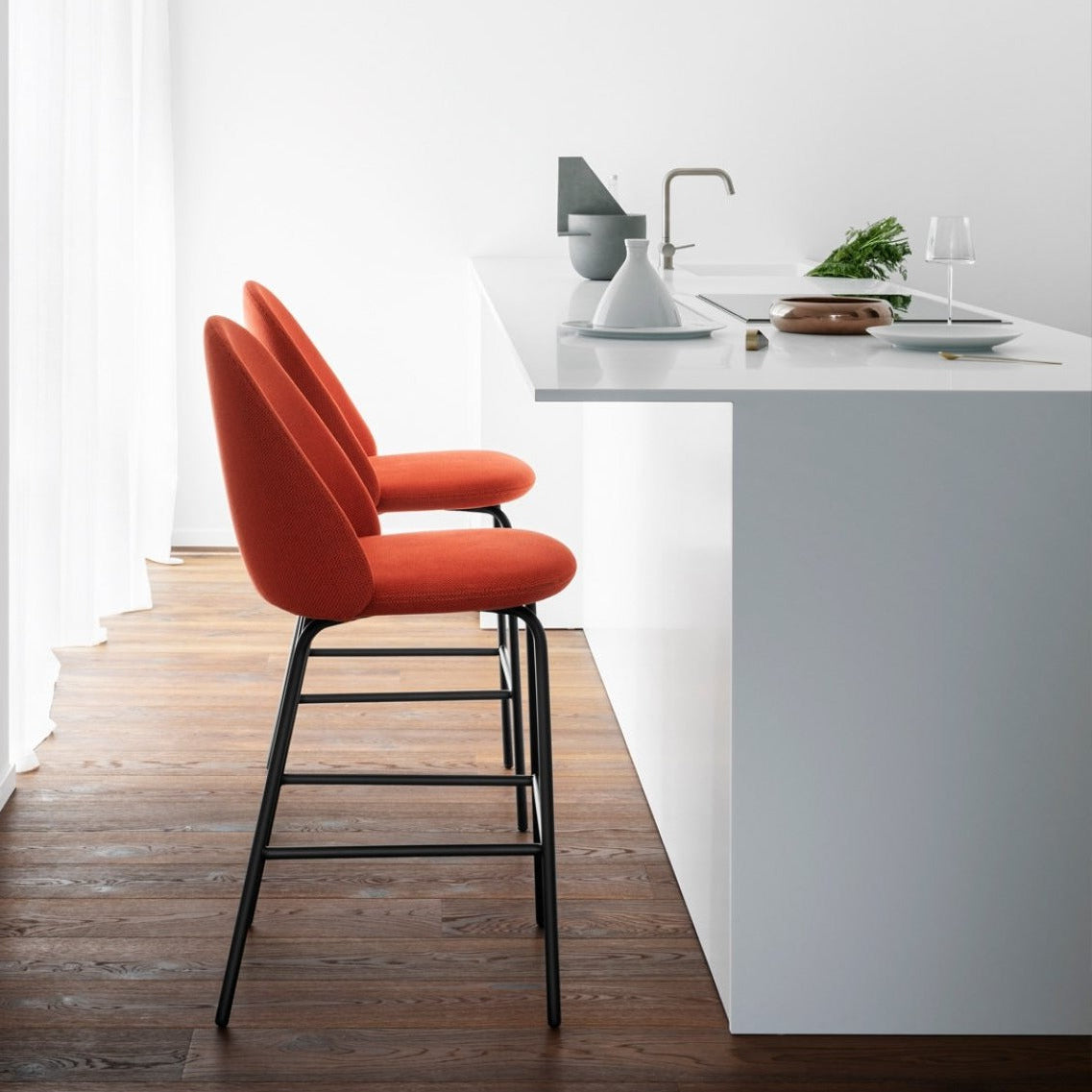
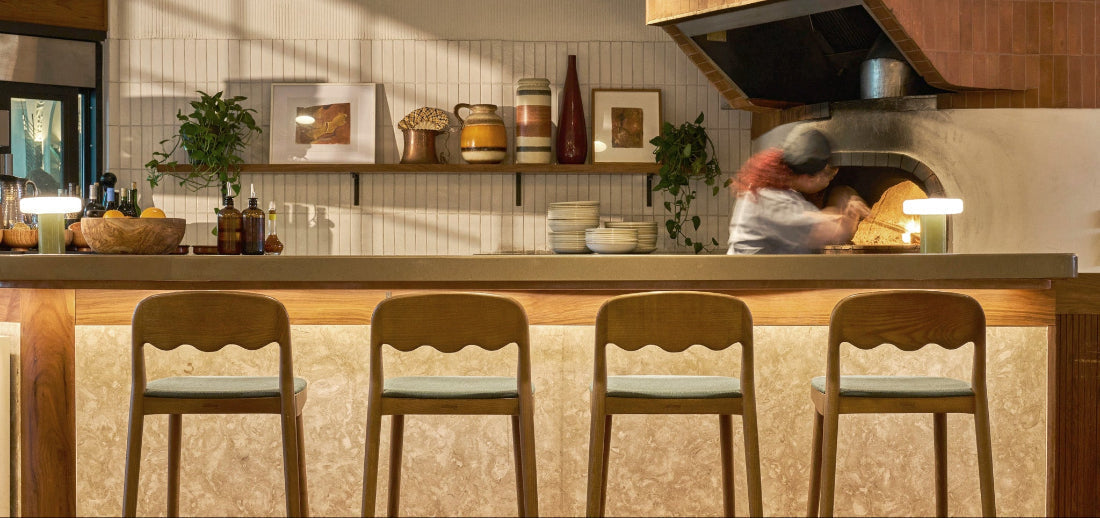
Bar stools should generally be spaced 24 to 30 inches from the centre of one stool to the centre of the next, leaving around 6 inches between each seat. It's a simple guideline, but one that's easy to appreciate the first time a busy kitchen island fills with family and friends.
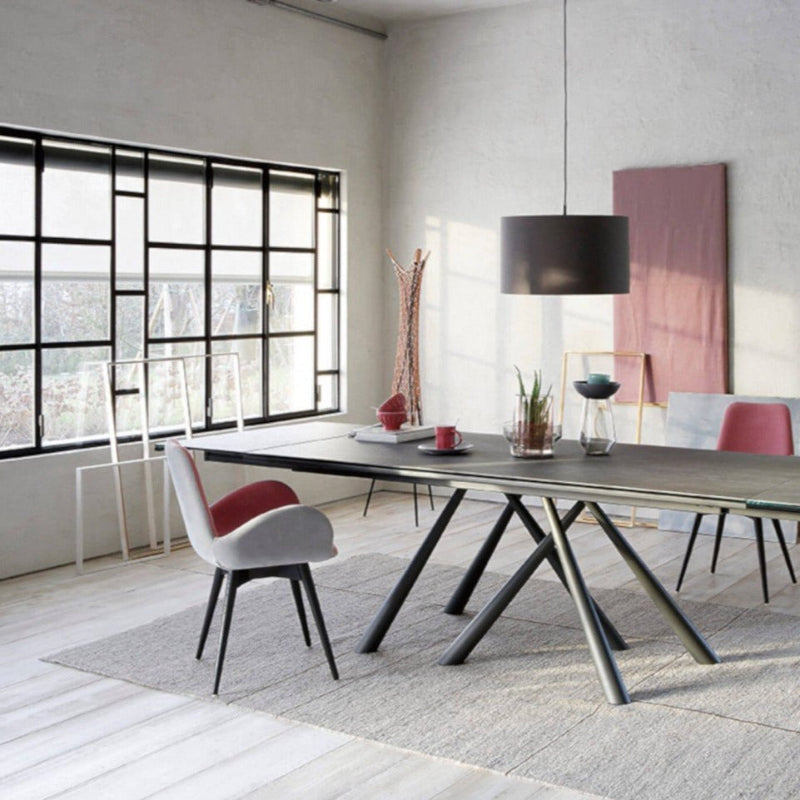
Good spacing has a quiet way of disappearing into the background. Nobody thinks about it as they pull out a stool or settle in for another cup of coffee, but everyone notices when it isn't there. Wider upholstered seats and stools with arms naturally ask for a little more breathing room, which is why squeezing in one extra stool rarely feels worth it.
As a quick reference:
|
Counter Length |
Recommended Stools |
|
48 inches |
2 stools |
|
72 inches |
3 stools |
|
96 inches |
4 stools |
|
120 inches |
5 stools |
Bar Stool Width and Why It Matters
The width of your bar stool plays just as important a role as the spacing between them. Even if your island is the perfect length, a wider seat can quickly make the entire layout feel more crowded than expected.
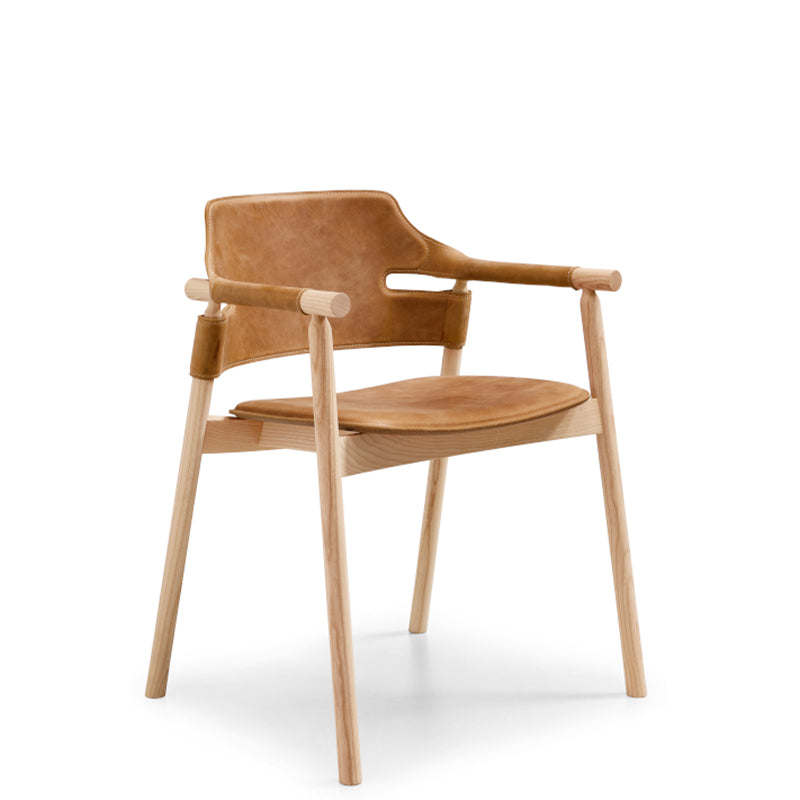
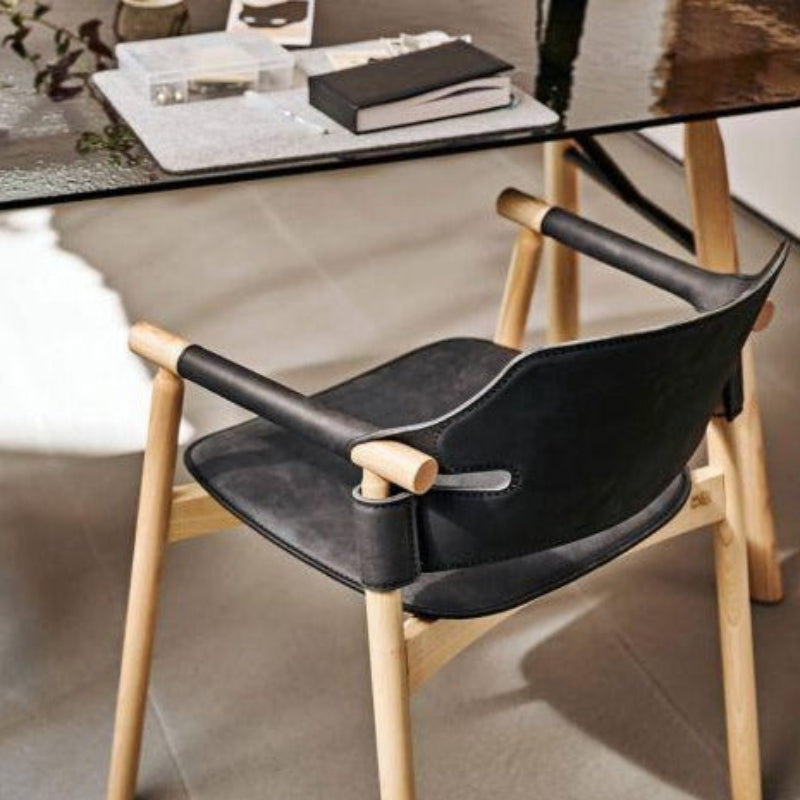
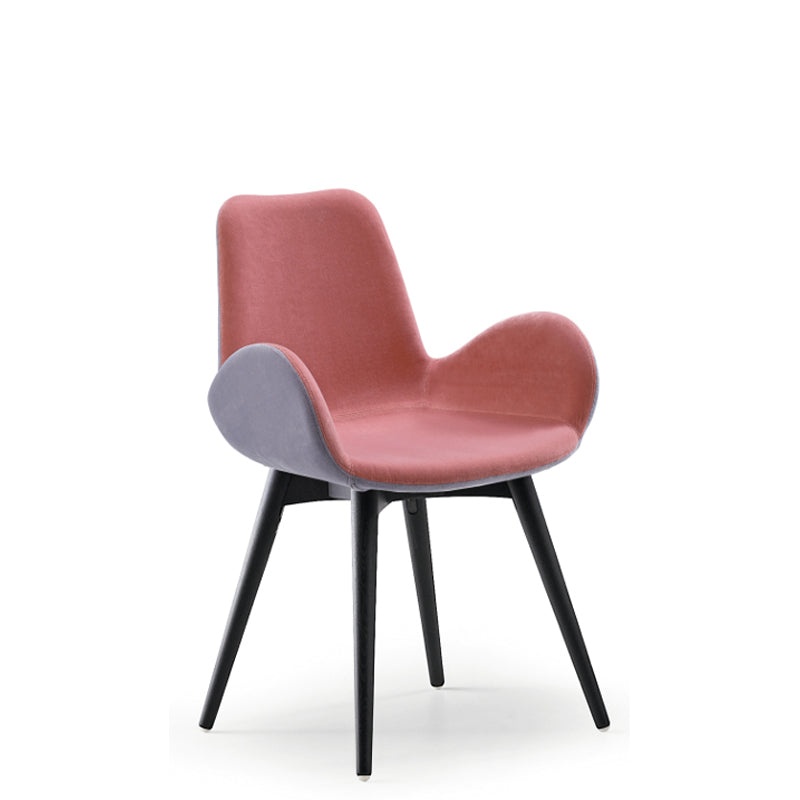
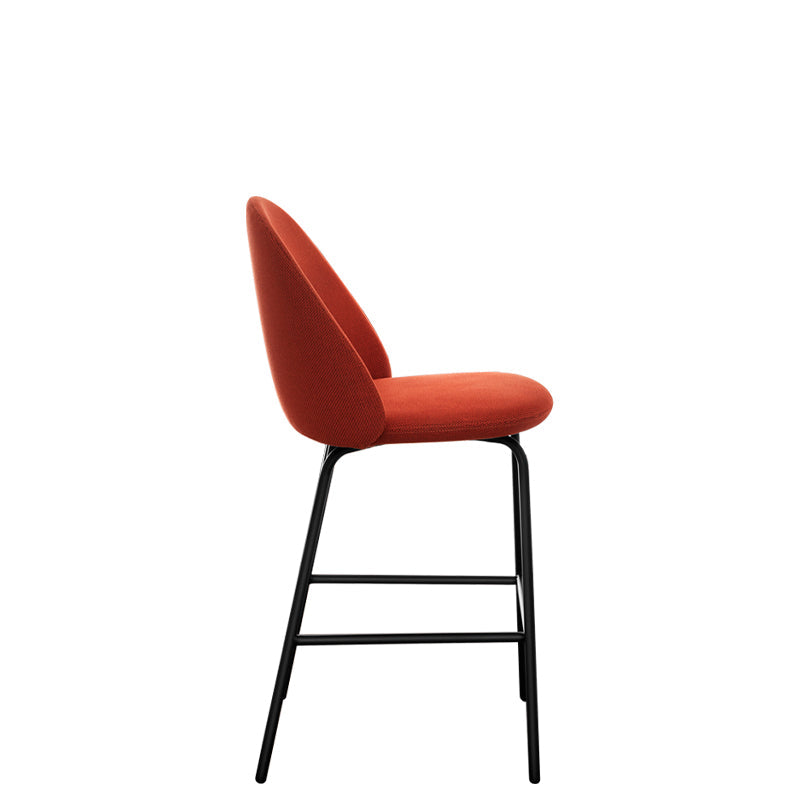
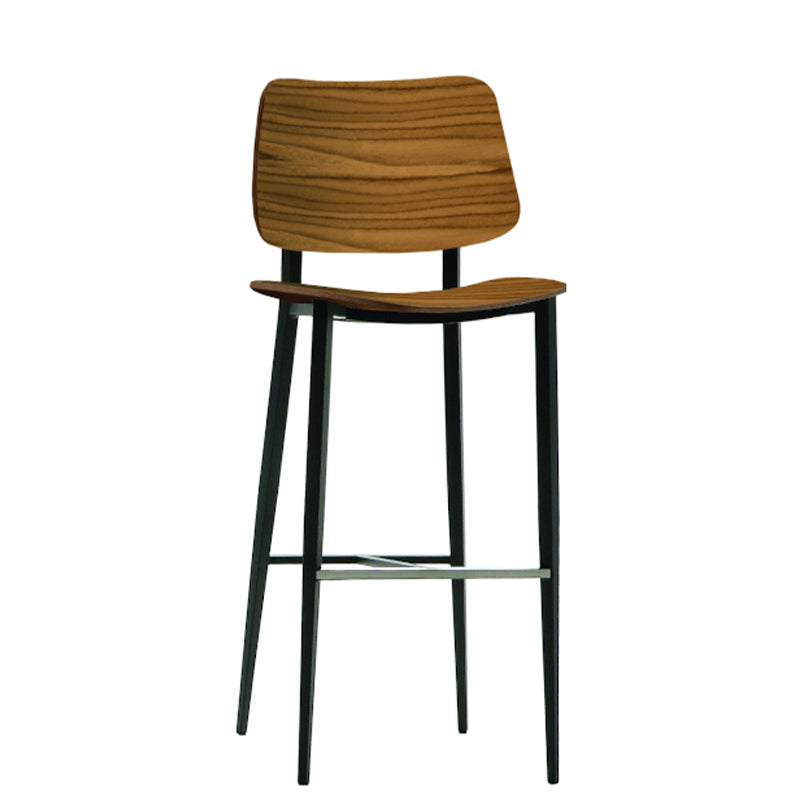
Width has a way of changing how an island feels long before anyone notices the measurements. Slim backless bar height stools slide neatly beneath the countertop, keeping sightlines open, almost disappearing beneath the countertop when it's not in use. An upholstered design creates a different atmosphere altogether. It's the seat people naturally choose when conversation carries on after dinner, and that extra comfort usually comes with a wider frame that deserves a little more space.
Before deciding how many stools your island can comfortably accommodate, measure the widest point of each design, whether that's the seat, the arms, or the backrest.
-
Backless stools: 15 to 18 inches wide
-
Standard bar stools: 17 to 21 inches wide
-
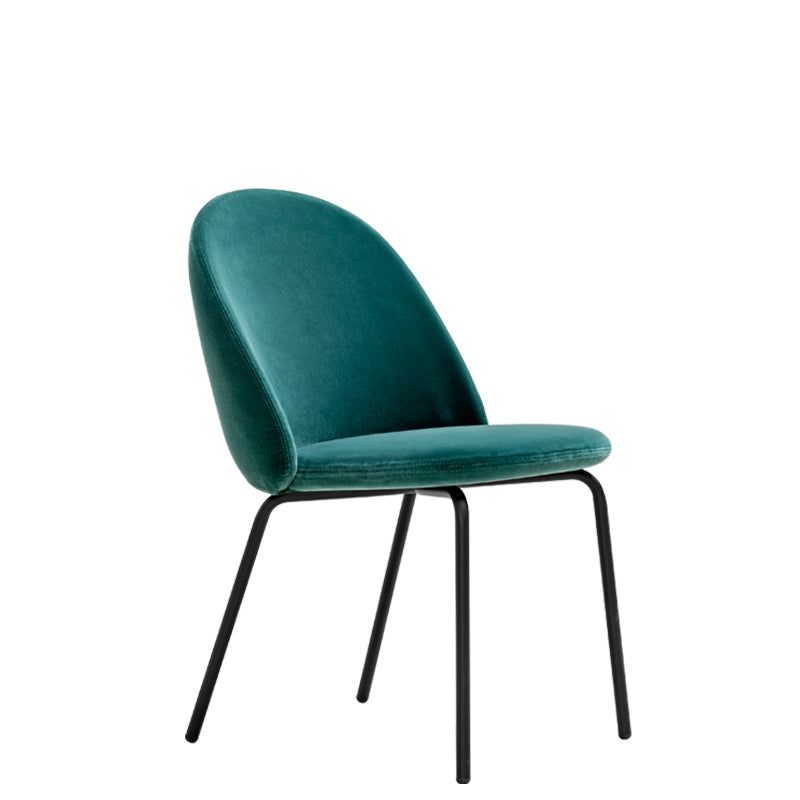
Upholstered stools: 20 to 24 inches wide
-
Stools with arms: 24 inches or wider

Common Bar Stool Spacing Mistakes to Avoid
Most bar stool spacing mistakes happen before the stools even arrive. It's easy to measure the island and forget that people need room to move, sit, and stand comfortably once the stools are in place.
|
Common Mistake |
Why It Matters |
|
Measuring only the island |
The stool's width, arms, and backrest can take up more room than expected. |
|
Squeezing in an extra stool |
Less elbow room makes the island feel crowded and uncomfortable. |
|
Ignoring walkway clearance |
Guests should be able to walk behind seated people with ease. |
|
Choosing style over proportions |
A beautiful stool still needs to suit the scale of your kitchen. |
Bar Stool Spacing by Counter Type
The ideal spacing between bar stools depends on how the space is used. An island that's part of a busy family kitchen will have different seating needs than a breakfast bar that's used for a quick coffee before work.
- Kitchen islands: These are rarely just places to eat. They become homework stations, coffee bars, and the place where everyone gathers before dinner, so generous spacing quickly pays off.
- Breakfast bars: A little less space can work here, especially when the seating is used for shorter meals or a quick coffee before heading out.
- Home bars: Guests tend to settle in for longer, making comfort just as important as the drinks being served.
Is 30 Inches Enough Space Between Counter and Island?
30 inches is the minimum clearance between a counter and island, but it's best reserved for tighter layouts. If someone is seated at the island, that space can quickly feel restricted as others try to walk behind them, even if you have adjustable bar stools.
For a kitchen that's used every day, 36 to 42 inches usually creates a more comfortable walkway. It's enough room to move naturally without interrupting someone who's seated, which becomes especially noticeable when the kitchen is at its busiest. The National Kitchen & Bath Association recommends wider walkways in areas with frequent traffic, a guideline that's widely followed in modern kitchen design.

How Much Do Bar Stools Typically Cost?
Bar stools typically range from around $100 to well over $1,000 each, depending on the materials, craftsmanship, and construction, and whether they’re high end commercial bar stools typically made for restaurants.
Like most well-made furniture, the price reflects what sits beneath the surface as much as what you can see. Solid wood construction, quality upholstery and thoughtful craftsmanship often cost more upfront, but they're also the details that help a stool look and feel at home for years rather than seasons.
What Are the Key Features to Consider When Buying Bar Stools?
The right bar stool doesn't just match your kitchen. It quietly becomes part of the way you use it, from slow weekend breakfasts to evenings spent catching up around the island. Beyond the correct seat height, look for:
-
A supportive backrest for longer meals.
-
A comfortable footrest.
-
Durable upholstery that's easy to maintain.
-
Luxury swivel bar stools if used frequently.
-
Materials that complement the rest of your kitchen.
Conclusion
Some of the best moments in a home happen around the kitchen island. Morning coffee turns into conversation, dinner stretches a little longer than planned, and guests instinctively pull up a stool instead of heading for the sofa. Giving each seat enough room is a small design decision, but it's one you'll appreciate every single day.
More to Read
Adjustable Bar Stools Explained
Learn how adjustable bar stools work, when they're the right choice and the key features to look for before buying.
What Happens When Your Counter Stool Height Is Incorrect?
Find out how the wrong stool height can affect comfort, posture and the overall functionality of your kitchen or bar area.
Editor's Choice: 5 Unique Bar Stools to Elevate Your Space
Discover five distinctive bar stool styles that blend craftsmanship, comfort and modern design to create a lasting impression.

Written by Isaac Grey
Isaac Grey is a digital marketing strategist and content creator who has spent the last several years researching and providing knowledge on furniture styles, design questions, consumer dilemmas, and design trends. He encourages people to consider the practical and functional implications of design, guiding them to make thoughtful, well-reasoned decisions that balance aesthetics with utility. His approach helps readers understand the why and how behind design choices and how to make spaces truly “work.”