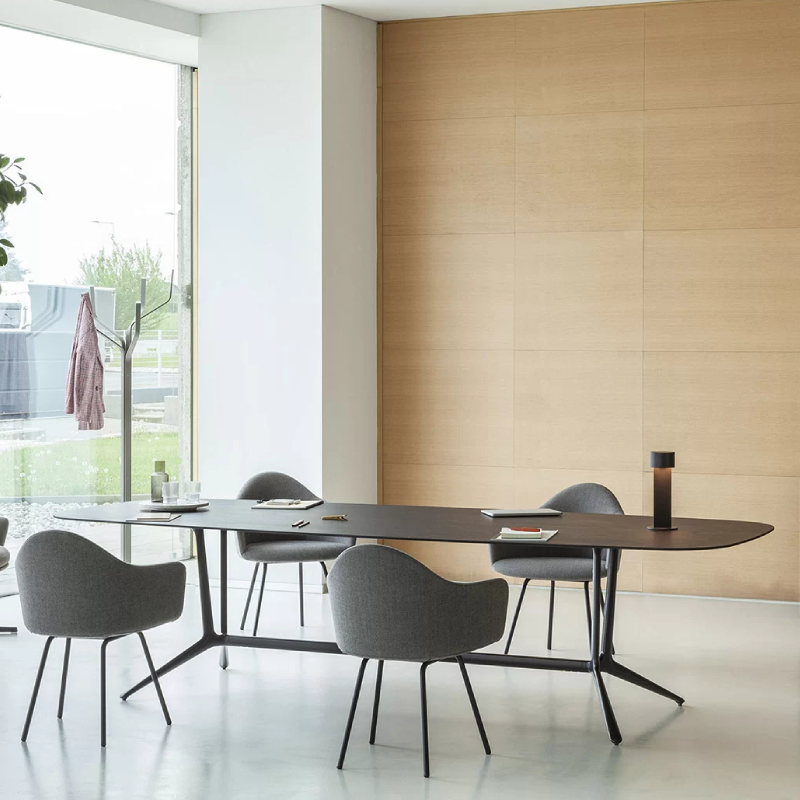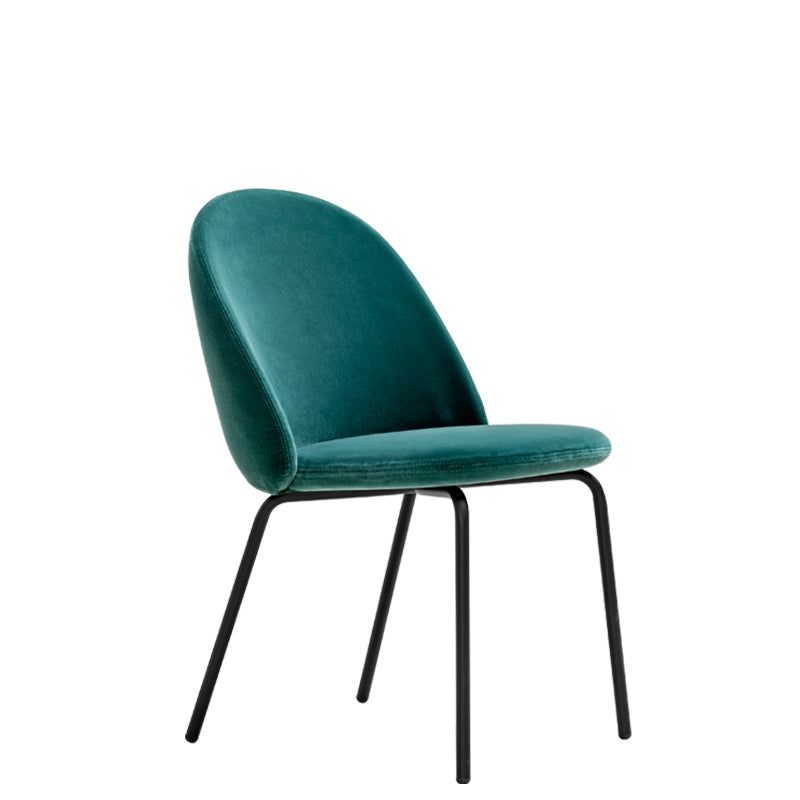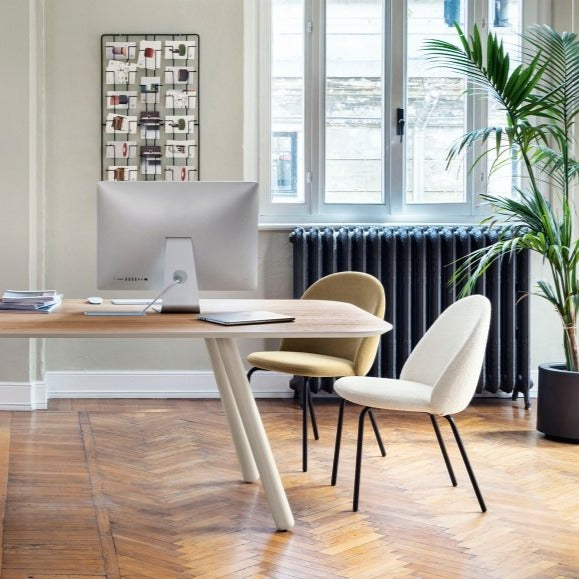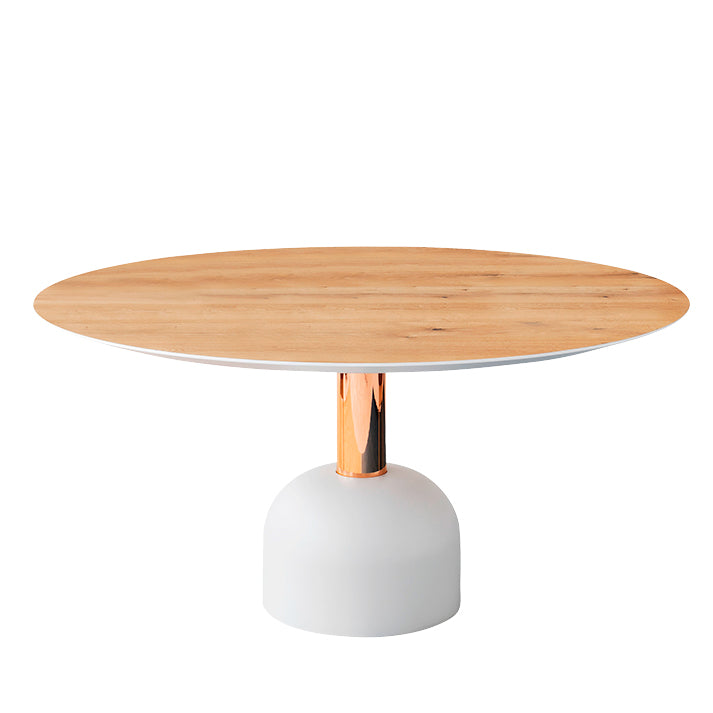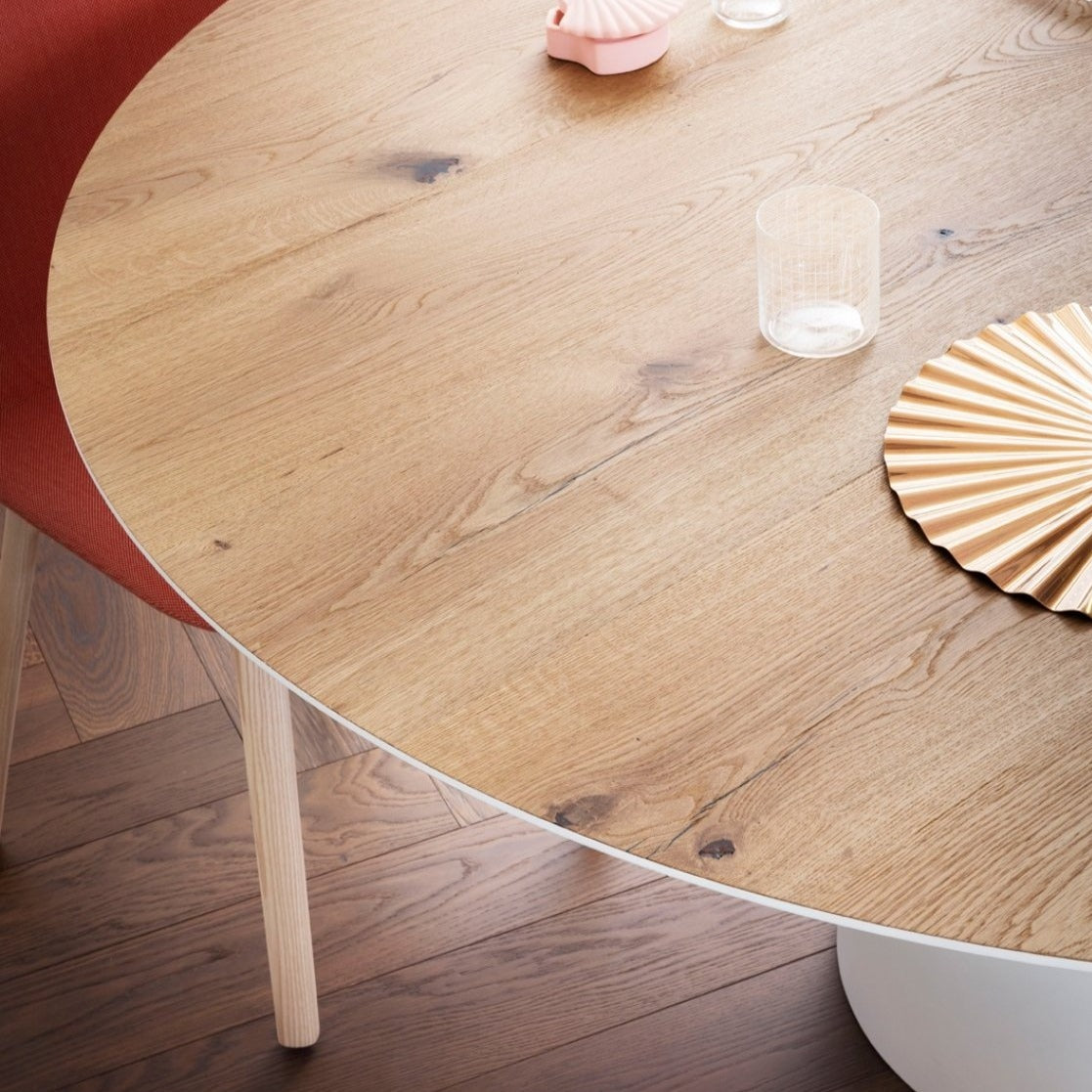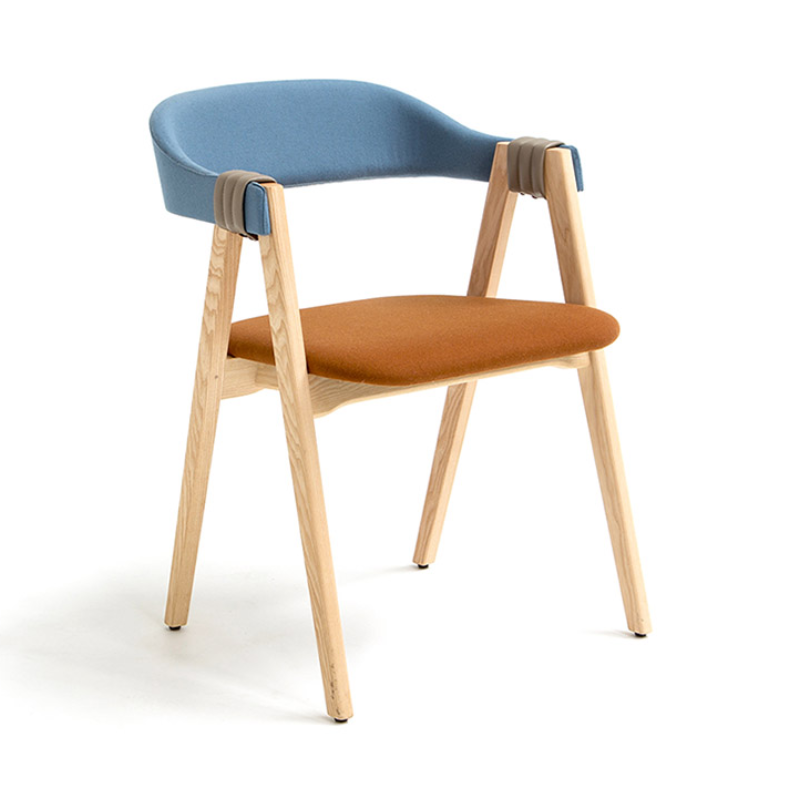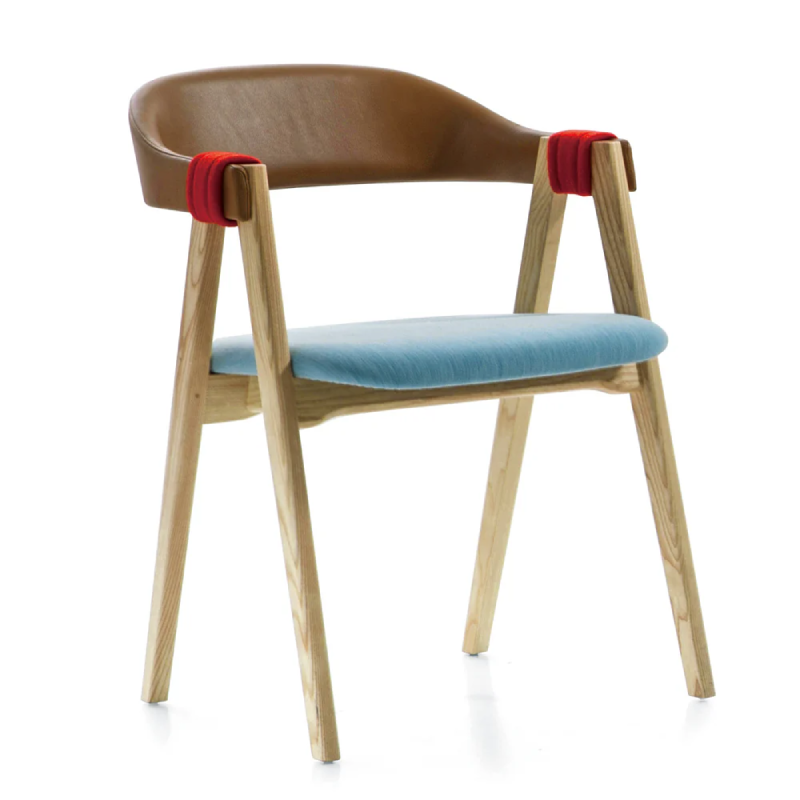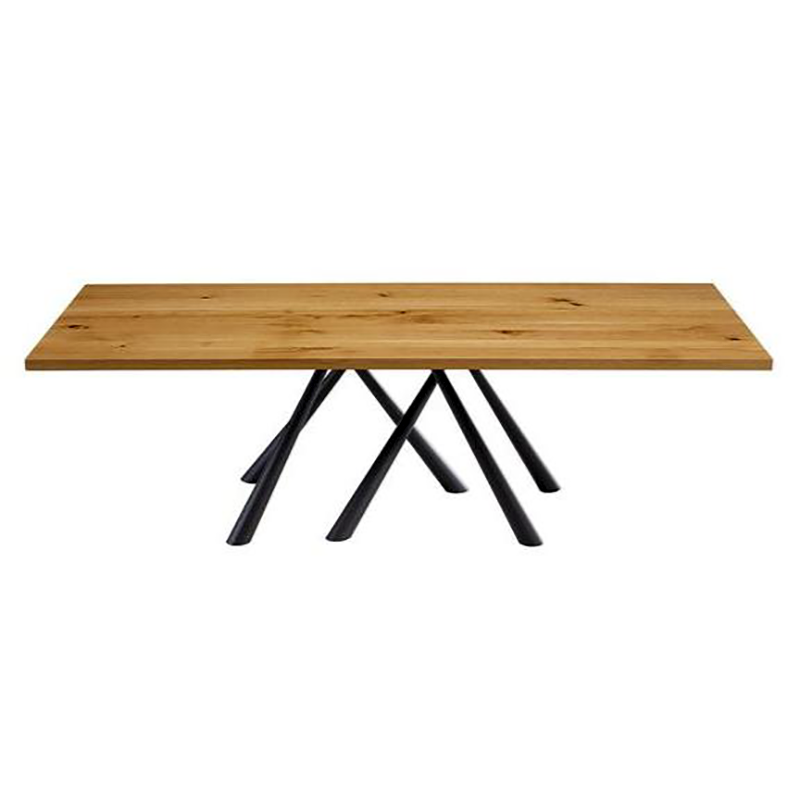
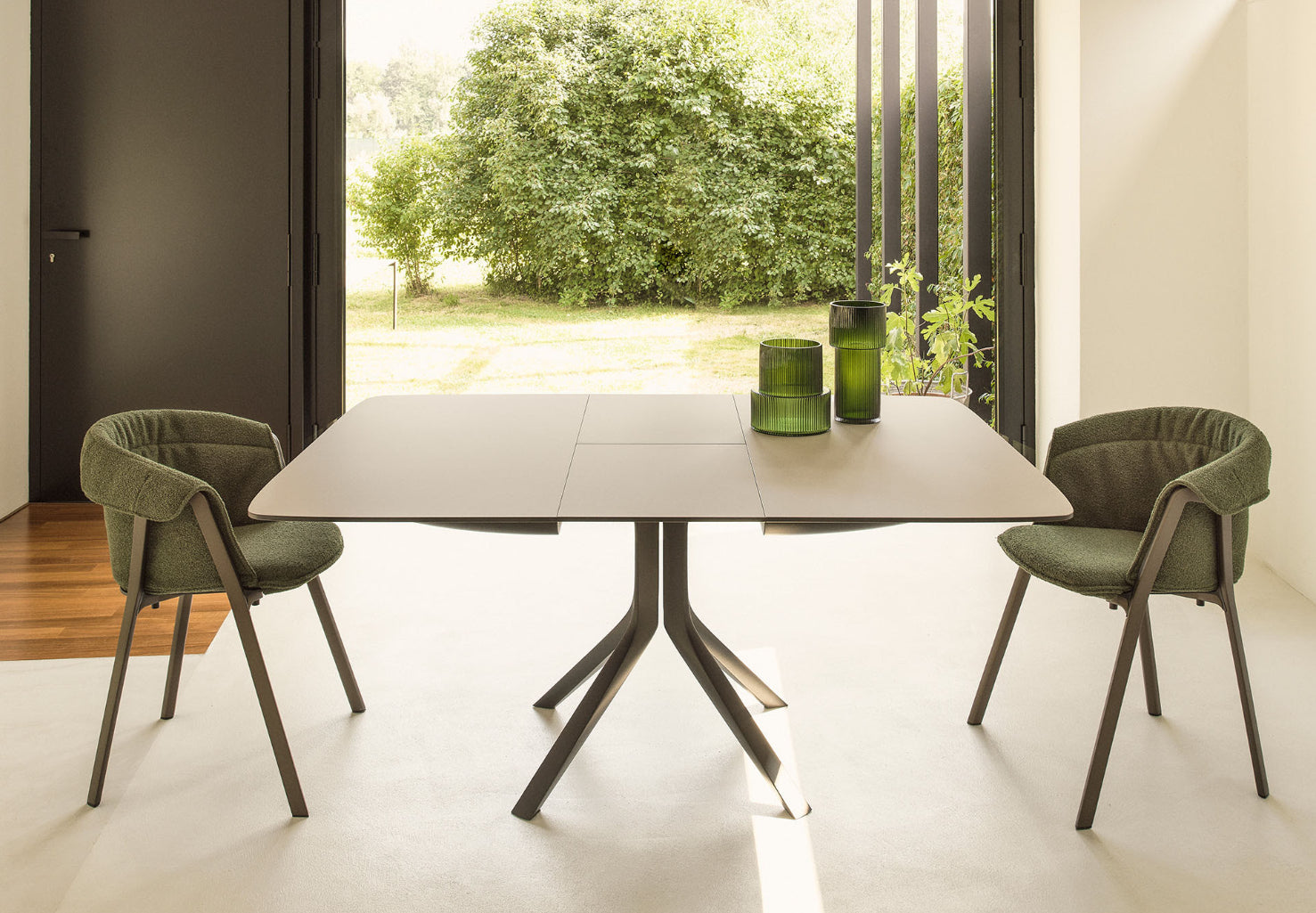
How many chairs fit around my table? Use our calculator
How Many Chairs Fit Around a Dining Table? A Guide to Comfort, Spacing & Style
There’s a quiet kind of elegance to a table that’s been set just right. Not crowded. Not barren. Simply balanced and proportioned with intention, so that each chair feels like it belongs, and every guest has room to settle in. It’s the kind of detail you don’t always notice at first, but you feel it instinctively. In the unspoken comfort between place settings. In the rhythm of movement around the table, unhurried and unhindered.
From the gentle clink of morning coffee cups in a sun-warmed kitchen to the ambient murmur of a dining room in full evening service, the way chairs are arranged isn’t just functional. It sets the tone. It shapes how a space breathes, how it welcomes, and how it holds the moments that unfold around it.
But as anyone furnishing a dining space knows, getting it right isn’t always intuitive. Chair count depends on far more than a tape measure. The curve of a pedestal base, the width of an armrest, the quiet bulk of a sculptural leg, all influence how many guests you can seat without compromising comfort or flow.
The Chair Count Calculator: Practical, Visual, and Surprisingly Insightful
Our dining chair calculator lets you input:
-
The shape of your table
-
Its exact dimensions
-
And your preferred chair width
…and it instantly tells you how many chairs will fit comfortably, whether you're planning for long Sunday dinners, holiday gatherings, or a restaurant floorplan that flows with ease.
It’s a small detail, yes. But in our experience, those are the details worth getting right.
So, How Many Chairs Can Fit Around a Table?
Let’s get into numbers. These are general guidelines for how many contemporary dining chairs will comfortably fit around standard table sizes—assuming a typical chair width of 18–20 inches and no bulky armrests:
-
48" round table → 4 to 6 chairs
-
54" round table → 6 chairs
-
60" round table → 6 to 8 chairs
-
72" round table → 8 to 10 chairs
-
6-foot rectangular table → up to 6 chairs
-
8-foot rectangular table → up to 8 chairs
-
10-foot rectangular table → up to 10 chairs
To be totally honest, we’ve seen 60-inch round tables crowded with 10 chairs... and regretted sitting there. Just because you can, doesn’t mean you should.
What Is the 4-Inch Seating Rule?
The so-called "4-inch rule" is a shortcut for estimating how many chairs will fit around a table. It goes like this:
-
Allow 24 inches of perimeter space per guest
-
Subtract 4 inches between each guest for elbow room
So for a 60-inch round table:
-
Circumference ≈ 188 inches
-
Divided by 24" = 7.83
-
Subtract space between diners → Comfortable seating for 6 to 8 guests
This rule works well for quick math, but it doesn’t account for:
-
Chair width (some are 21–23 inches wide)
-
Table base type (pedestals offer more flexibility than legs)
-
Armrests or sculptural backs that need breathing room
Our take? Use the 4-inch rule as a baseline, but always test your setup or consult the calculator if you're working with oversized chairs or a unique table shape.
How Many Chairs Fit Around a 5-Foot Table?
A 5-foot round table (60 inches in diameter) is one of the most versatile sizes, ideal for medium-sized dining rooms or restaurant settings that need flexibility.
Here’s how it breaks down:
-
6 chairs → Comfortable for everyday use
-
8 chairs → Works for gatherings or events (a bit tighter)
-
10 chairs → Only if the chairs are narrow and base is pedestal-style
And yes, it really is worth the hype: 60" tables can feel spacious without dominating a room.
How Many Chairs Around a 54-Inch Round Table?
A 54" table strikes a beautiful middle ground for smaller spaces:
-
Seats 6 guests comfortably
-
Works well with armless or mid-sized chairs
-
Best paired with a central base or minimalist legs to maximize legroom
If you're furnishing a city apartment or a cozy breakfast nook, this is often the sweet spot. We’ve noticed many of our clients gravitate toward 54" for its balance of intimacy and flexibility.
Does a 60-Inch Round Table Seat 8 or 10?
This is one of the most searched dining table questions. And with good reason.
Technically? A 60-inch table can seat 10 people. But here's what to consider:
-
8 guests is the comfort zone
-
10 guests is tight, often requiring narrower chairs and less space between diners
-
At 10, it becomes harder for guests to enter and exit without bumping others
-
Guests may feel boxed in, especially with arms or heavy dishware
For long, relaxed meals, or if you're hosting often, we recommend planning for 8. Your guests will thank you.
Excellent — here’s the second half of the blog post, covering:
-
Research-backed insights on table spacing and comfort
-
Room shape + clearance recommendations
-
Ergonomic considerations for seating
-
Smart solutions for small spaces
-
Bullet list of key takeaways
-
Closing call to action
The Hidden Science of Table Spacing: Why Comfort Matters
A well-set table doesn’t just look better. It feels better. And that’s not just a design opinion; it’s backed by behavioral research.
A peer-reviewed study published in Cornell Hospitality Quarterly found that guests seated at well-spaced tables in restaurants reported significantly higher satisfaction scores than those at tightly spaced tables. While close spacing didn’t impact a guest’s willingness to recommend the restaurant, it did lower feelings of control and comfort, and even reduced their likelihood of returning.
The research combined in-person surveys with point-of-sale data, giving it both emotional and behavioral weight.
Another academic study in a fast-casual setting compared 12 inches of spacing between tables to 24 inches. The results? Dramatic differences in how people felt. Diners seated with more space between tables reported higher levels of privacy, pleasure, and comfort, and were more likely to say they’d come back again.
So when you're asking, how many chairs can I fit around this table?, what you're really asking is:
How can I make this space feel better?
How can I encourage longer conversations, better posture, and the kind of dining experience people remember?
How Much Space Should You Leave Around a Dining Table?
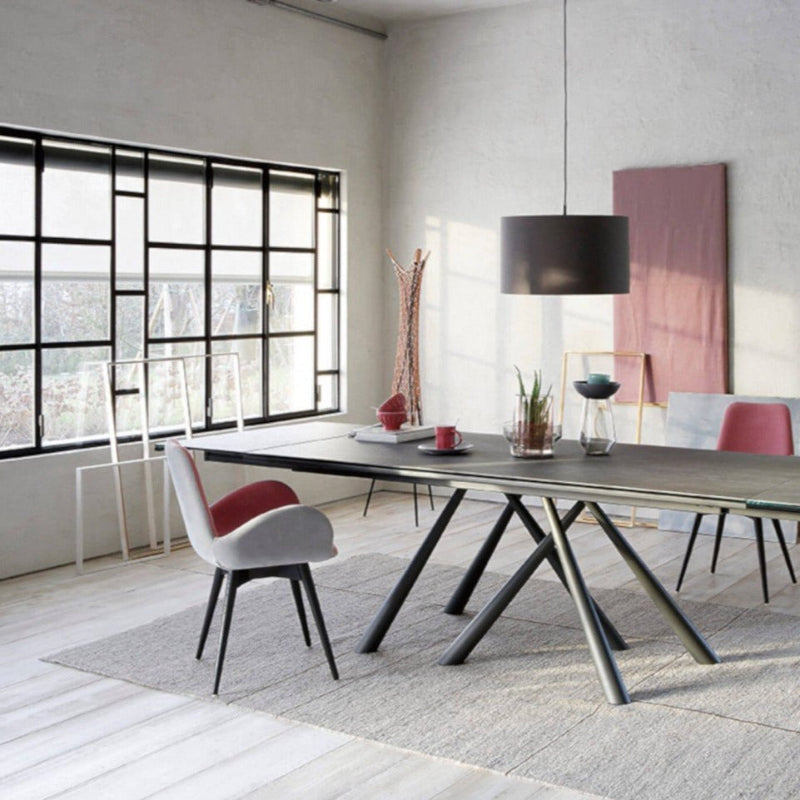
If you want your space to flow, chairs that pull out easily, no one shimmying sideways to squeeze through, you need to allow for clearance around your table.
The recommended space around a dining table is:
-
✅ 36 to 40 inches (90–100 cm) of clearance on all sides
-
✅ This allows for chairs to pull out fully and guests to move behind seated diners
-
✅ In tighter rooms, 32 inches minimum can work, but will feel snug
If you're working with armchairs or dining benches, you’ll want to test your layout in advance or lean on our calculator to model the real-world spacing.
Room Shape & Table Layout: Making It Work
The shape and size of your dining room will naturally influence your table and chair arrangement:
Rectangular Rooms
-
Best for long tables or extendable tables
-
Consider banquette or bench seating along one side if you're short on width
Square Rooms
-
Round or square tables maintain visual harmony
-
A 48–54 inch round table often looks best and feels open
Open Concept Spaces
-
Use the table as an anchor; avoid oversized chairs that block sight lines
-
Allow for extra clearance on walkways or transitional zones
We’ve found that even a few extra inches can dramatically improve how a room feels—and functions.
Ergonomic Details That Make a Difference
Design is in the details. And when it comes to comfort, there are a few ergonomics worth checking before you commit to a chair count:
-
Chair Height: Standard dining chairs are ~18 inches high
-
Table Height: Most dining tables are ~29–30 inches tall
-
Legroom (Clearance): Allow at least 12 inches between seat and tabletop
-
Armchairs: Need extra room under the table and between settings—often best at heads of table only
-
Aprons (the wood skirt under a tabletop): Can reduce available leg space. Watch out for this with older or traditional tables
And if you’re hosting tall guests (or just want a more laid-back feel), choose chairs with a little extra seat depth and lower backs to keep the space visually lighter.
Smart Seating for Small or Narrow Dining Areas
Small space? No problem. There are clever ways to work around it:
-
Bench Seating
-
Tuck neatly under the table when not in use
-
Ideal for kids or casual dining
-
-
Compact Round Tables
-
Soften tight corners
-
Easier for circulation in square rooms
-
-
Drop-Leaf or Extendable Tables
-
Expand only when needed
-
Keep footprint minimal day-to-day
-
-
Floating a Table Against a Wall
-
Perfect for breakfast nooks or narrow rooms
-
Pair with wall-mounted banquette seating for maximum efficiency
-
(Trust us, we’ve made the mistake of going too big in a tight space. It never ends well.)
Key Takeaways: Chair Count Done Right
Here’s a quick recap of what actually works:
-
✅ Use 24 inches per person, subtracting 4 inches between diners
-
✅ Stick to 6–8 guests for 60" round tables
-
✅ Allow 36–40 inches of clearance around your table
-
✅ Match your table shape to your room shape for better flow
-
✅ Prioritize legroom and ergonomic space under the table
-
✅ For tight rooms, opt for benches, banquettes, or extendables
-
✅ And most importantly, don’t just guess—use the Chair Count Calculator
One Last Thing...
The difference between a cramped dining space and one that welcomes people in, makes them linger, and lets conversations stretch well into the night? Often, it’s a few inches—and a well-chosen chair count.
So if you're furnishing a space, planning a layout, or just wondering if those vintage armchairs will fit, try our Chair Count Calculator. Measure your table. Think through your room. Input the details.
Then let the numbers tell you what looks and feels right.

Written by Modern Loft Editorial Team
A team of writers and creatives, we see the home as a place for self-expression. Every article is written with curiosity and care, bringing ideas that are practical, inspiring, and lasting.