
How Contemporary Furniture Design Completely Transformed the BAC Villa
There’s something almost imperceptible about a home that feels truly finished, not styled, not staged, but quietly complete. That’s the sensation you get inside BAC Villa, a renovated residence just beyond the edges of Padua, Italy.
Designed by Michele Zago Architetti, the home doesn’t chase spectacle. It leans into stillness. Lime-plastered walls glow with natural light. Oak flooring runs long and uninterrupted. Terrazzo surfaces offer a gentle counterpoint. You don’t walk through this space, you move with it.
And while the architecture lays the groundwork, it’s the furniture that gives the home its sense of rhythm. Nothing feels ornamental. Everything contributes. Chairs, tables, and sofas were selected not to decorate, but to direct how the space is lived in—from the way sunlight hits a dining surface, to how an Italian sofa holds its posture in a room defined by openness.
What Contemporary Furniture Actually Does
Contemporary furniture doesn’t beg for attention. And the best pieces don’t “fill” a room—they refine it. They soften sharp edges, carry sightlines, and introduce warmth without ever overwhelming the structure.
What makes this approach so distinct is its refusal to treat furniture as an afterthought. Instead, every selection is made in service of proportion, material honesty, and everyday function.
In BAC Villa, that principle is evident in the smallest details:
-
A pair of chairs angled toward the garden, subtly guiding attention outward
-
A dining table placed along the path of natural light
-
A sofa chosen for its low, unintrusive silhouette, allowing the room to breathe
It’s not just about what’s placed in the room, it’s how it’s placed. And why.
We’ve seen this play out again and again: when furniture is thoughtfully integrated, the space doesn’t just look better, it works better.
Key Traits of Contemporary Furniture in Practice:
-
Refined silhouettes that feel integrated, not imposed
-
Intentional placement that supports spatial flow
-
Material honesty wood, ceramic, steel used with restraint
-
Emotional subtlety comfort without excess, presence without pressure
This philosophy shows up in every corner of BAC Villa. But a few pieces, in particular, helped pull the whole space into focus.
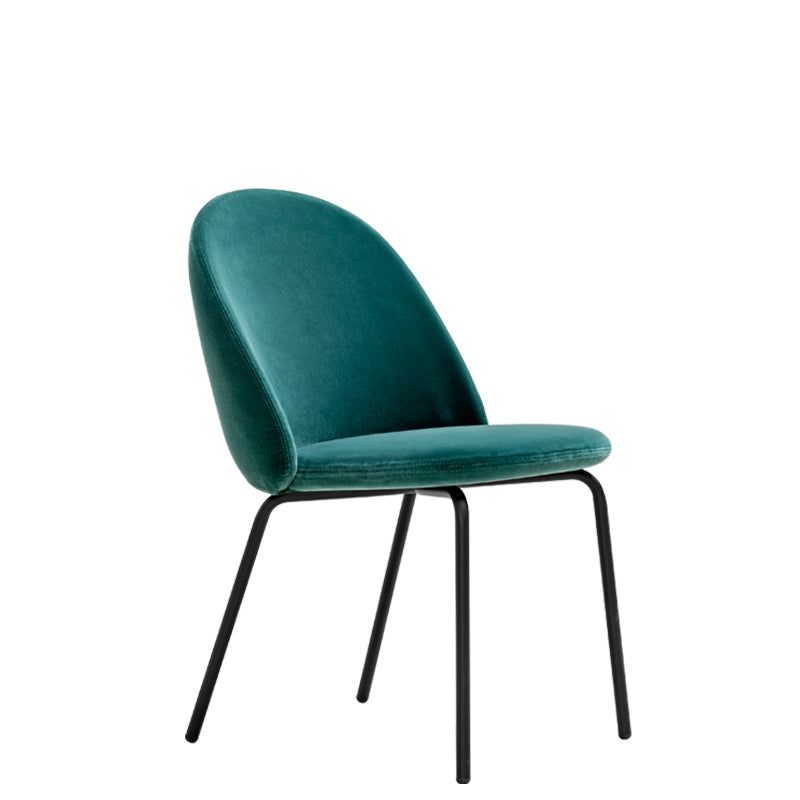
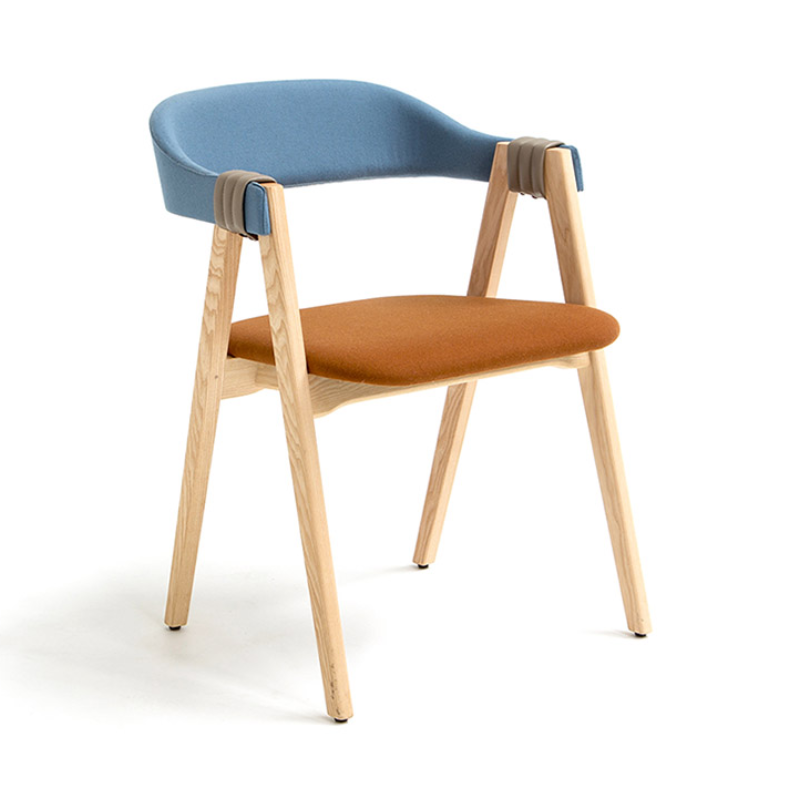
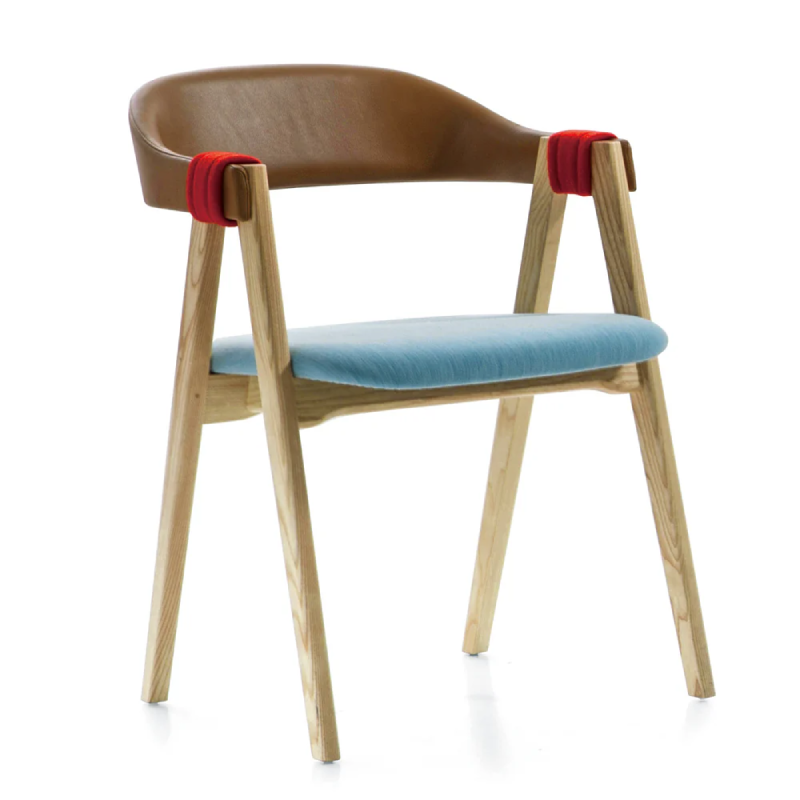
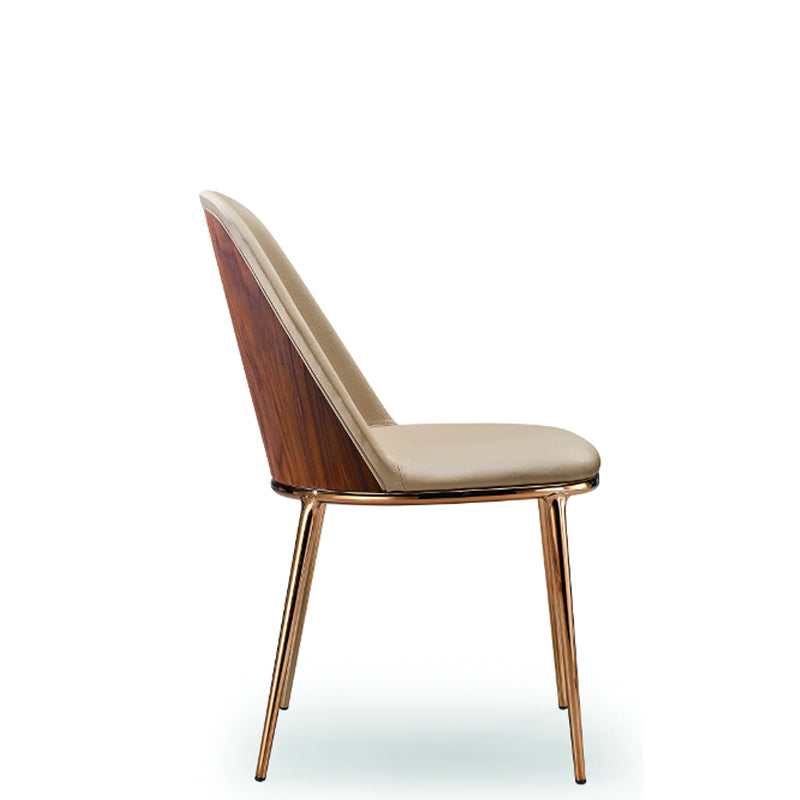
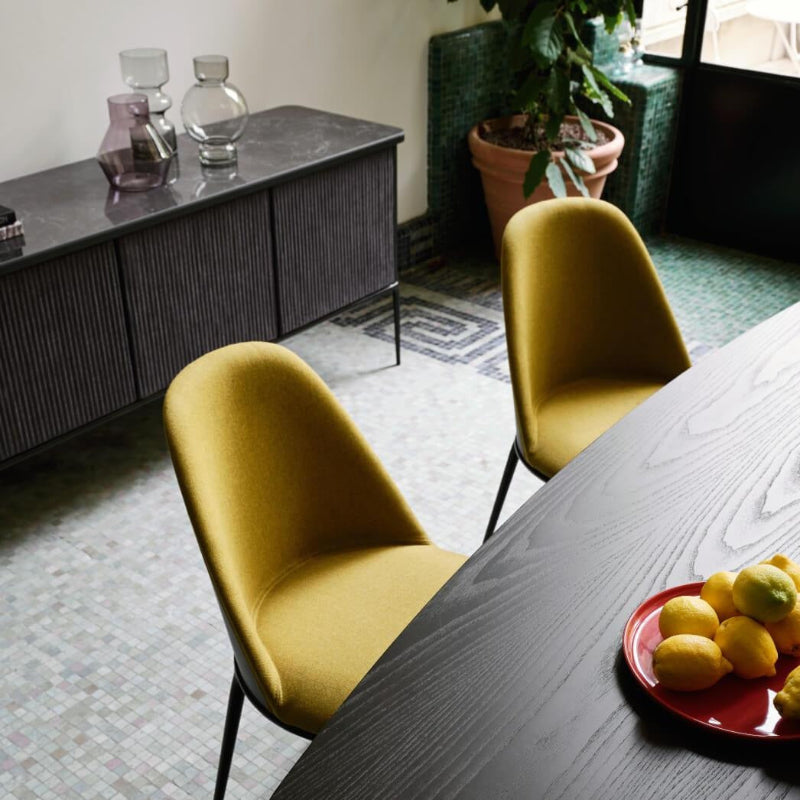
Sonny S M Dining Chairs by Midj
Where they live: Near the garden doors, subtly connecting indoors and out
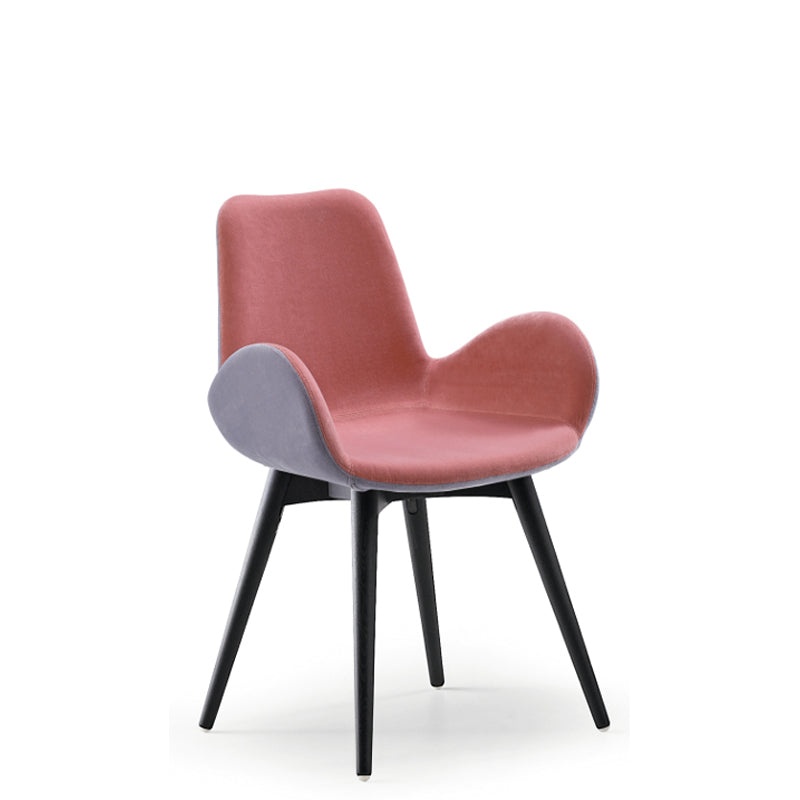
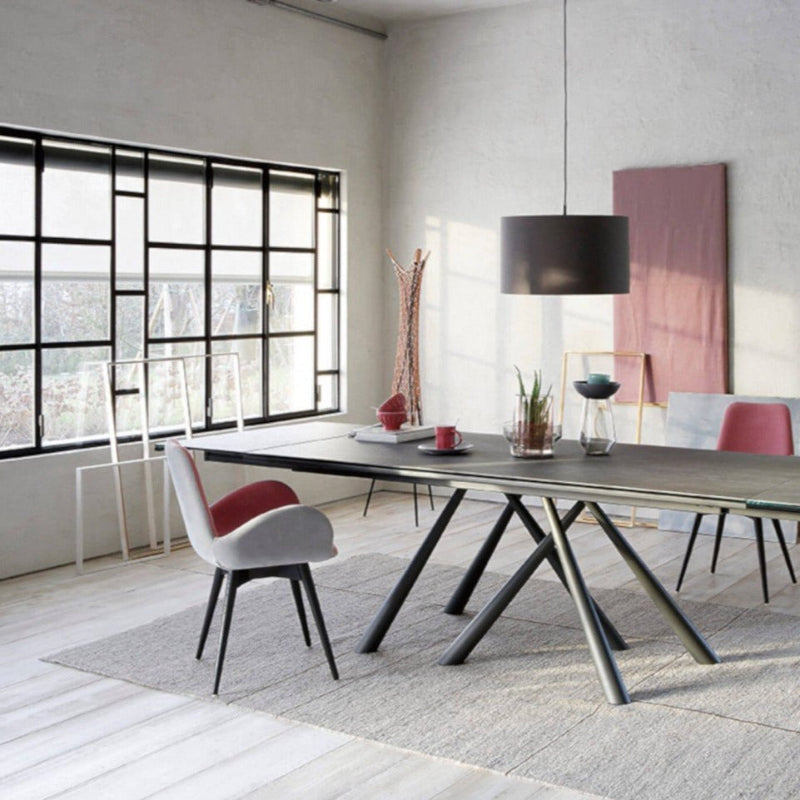
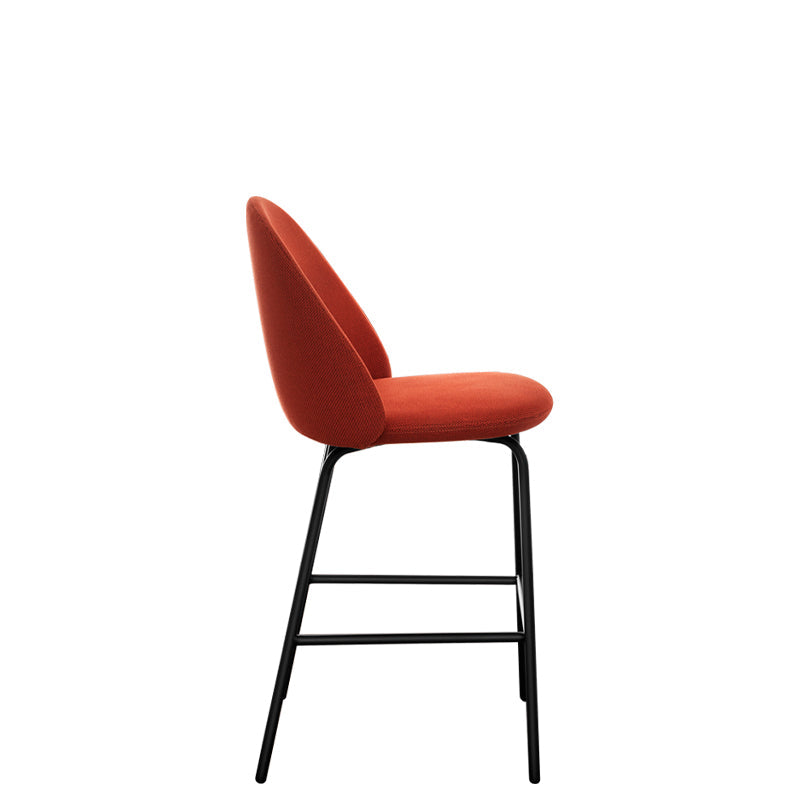
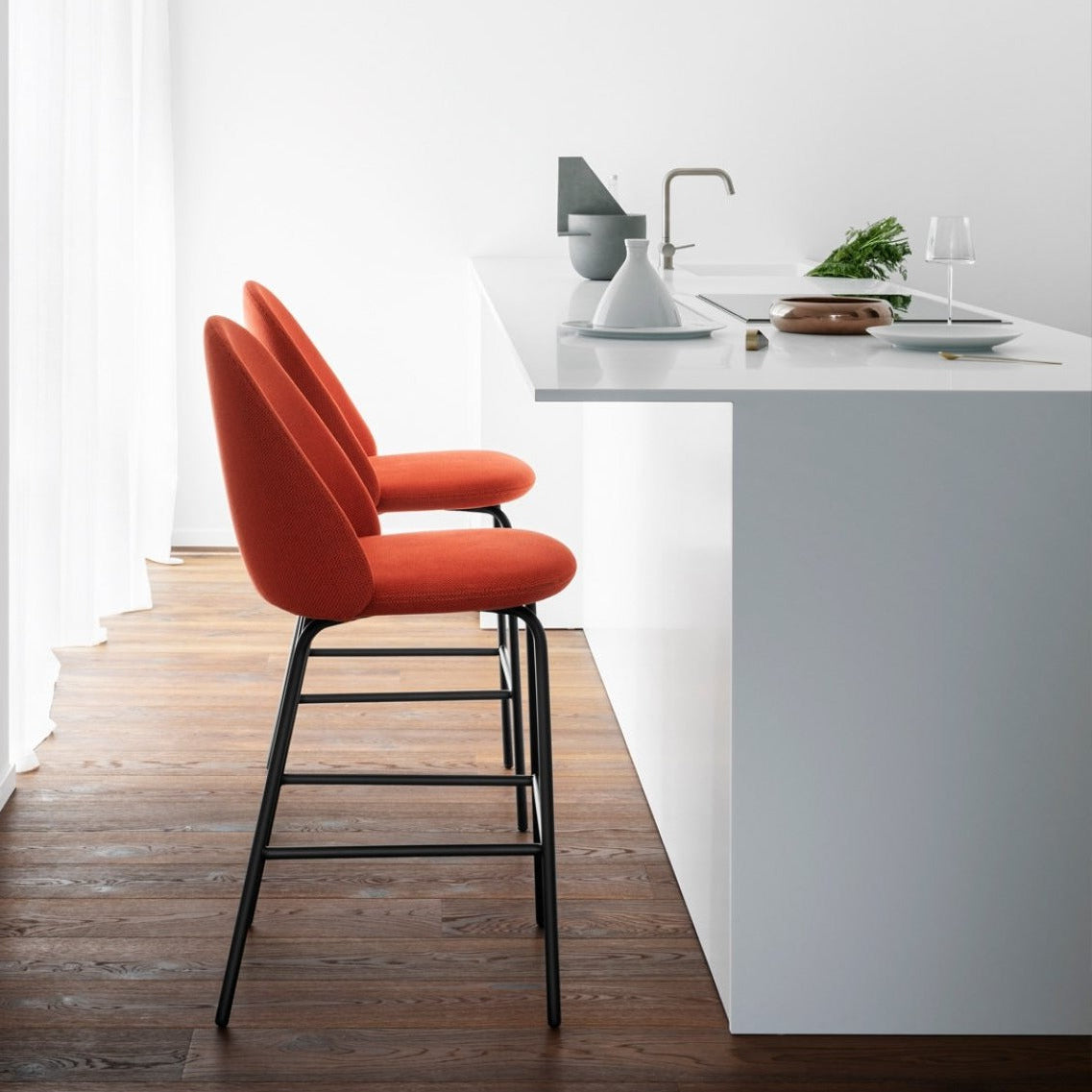
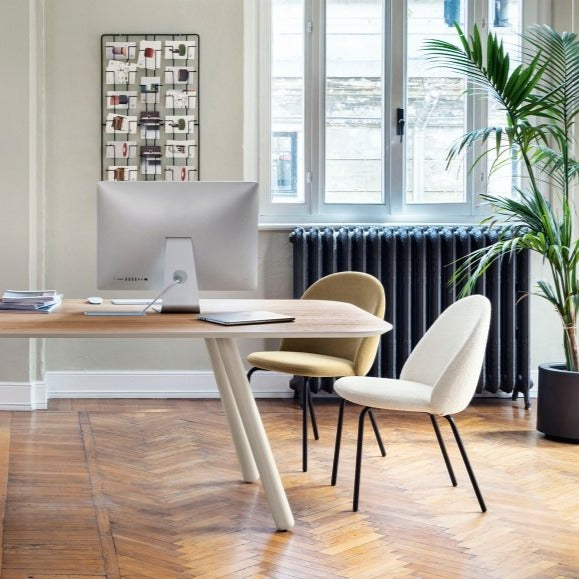
These chairs do more than offer a seat—they set the tone. Positioned with breathing room between them, the Sonny S M TS Q Side Chairs by Midj create a sense of pause. The kind that makes a space feel thoughtful, not filled.
Their curved backs gently soften the villa’s architectural sharpness. The upholstery brings texture and tone without visual heaviness. And those slim, steel legs? They lift the profile just enough to feel sculptural without ever becoming precious.
We’ll be the first to admit, getting this balance right takes some trial and error. But in this case, it worked beautifully.
Why They Work in This Space:
-
Curved lines introduce contrast to linear architecture
-
Upholstery adds visual warmth (without weighing down the room)
-
Slim legs keep floor space open and fluid
-
Perfect for softening transitional zones without interrupting them

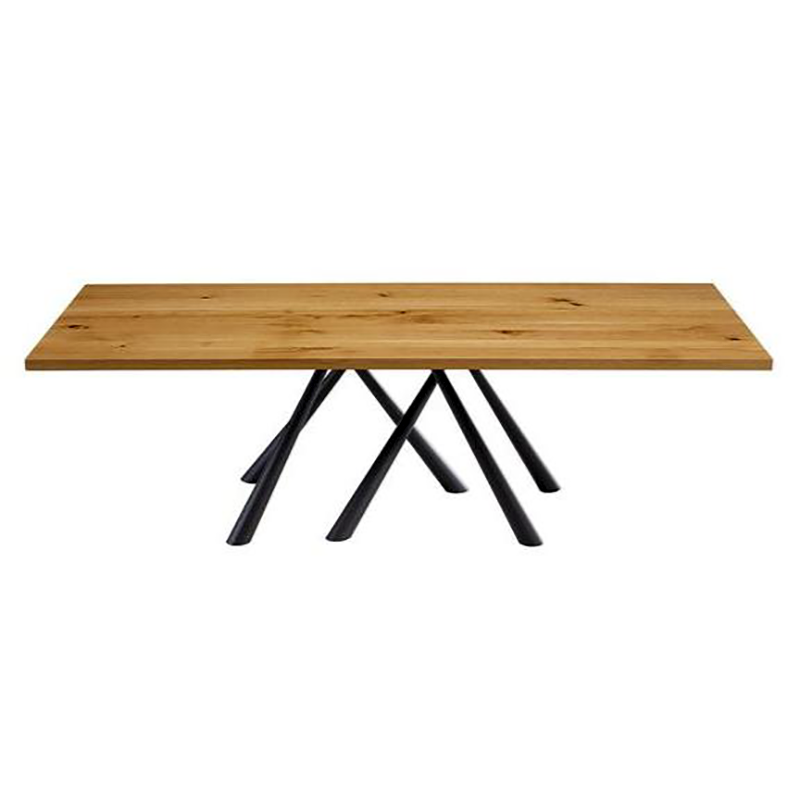
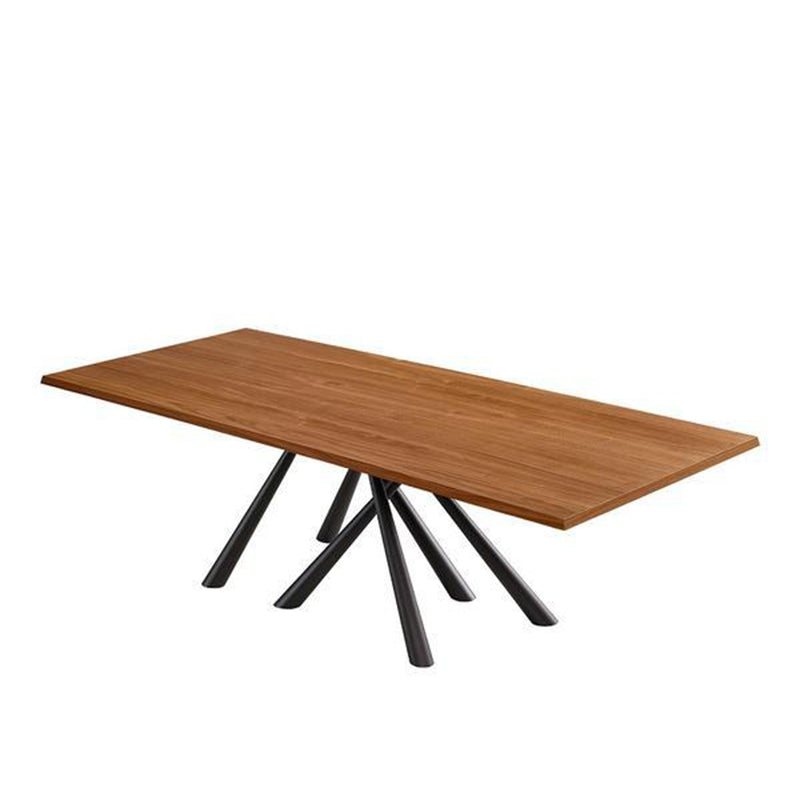
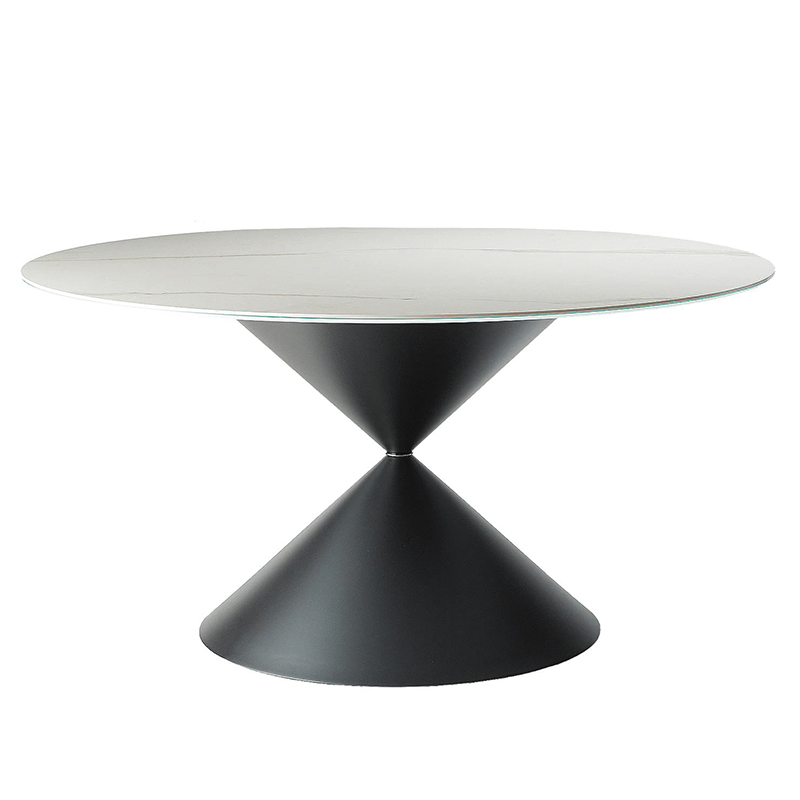
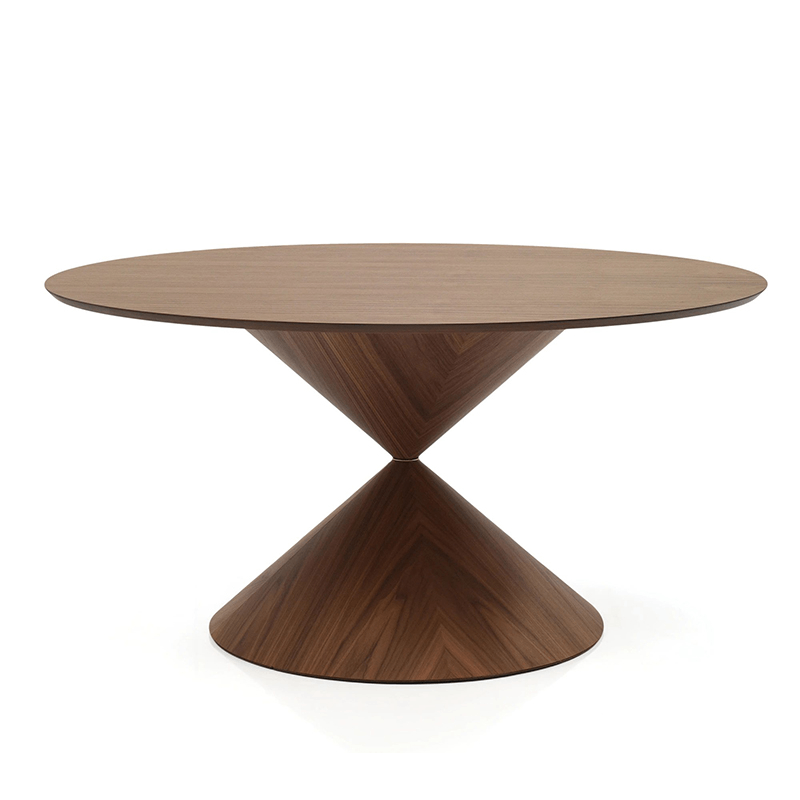
Alfred Extendable Dining Table by Midj
Where it’s placed: At the heart of the dining area, aligned with light and circulation
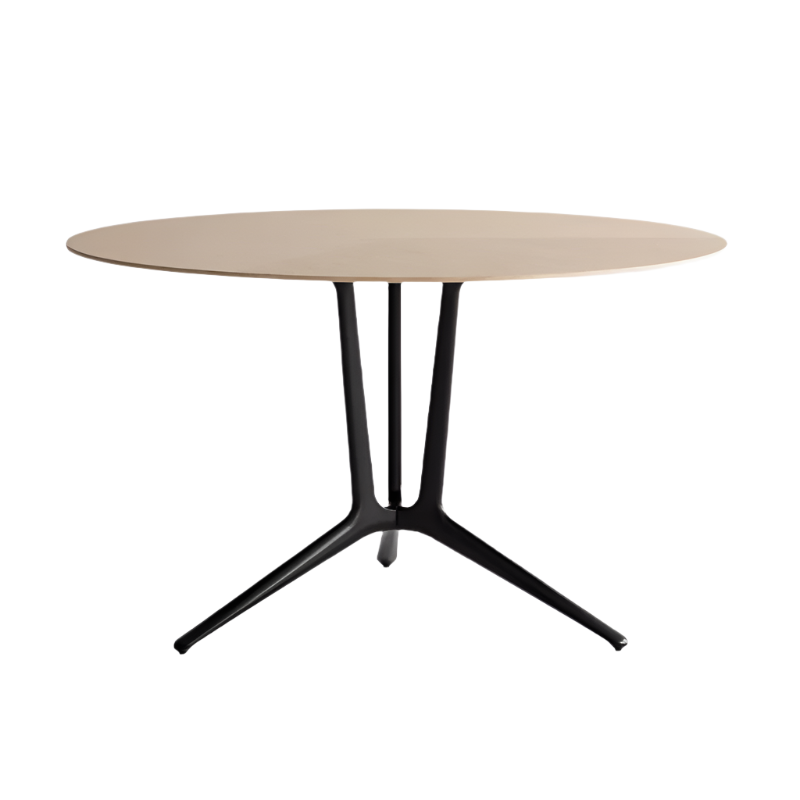
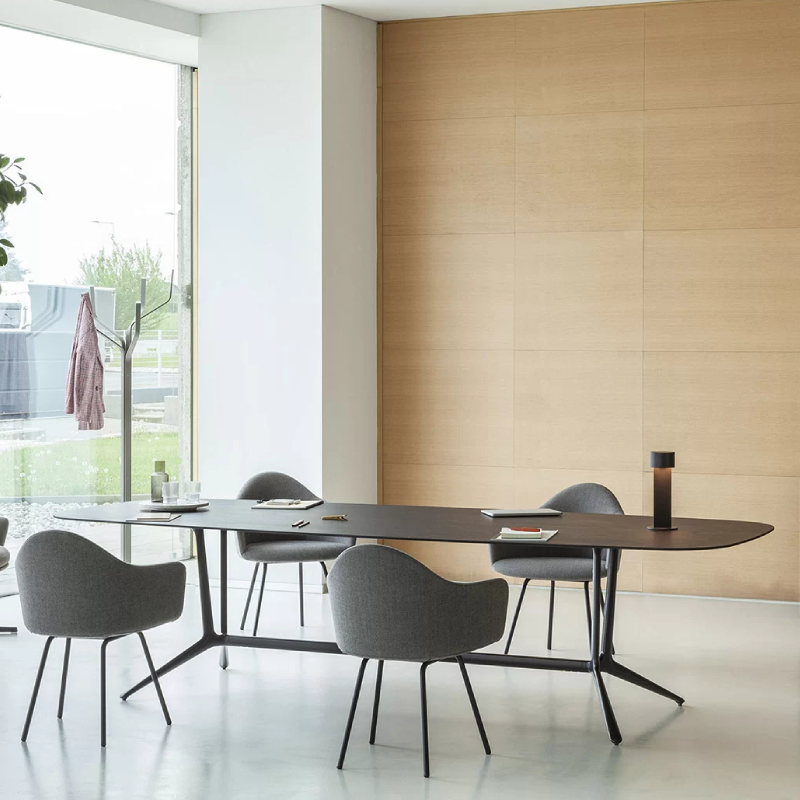
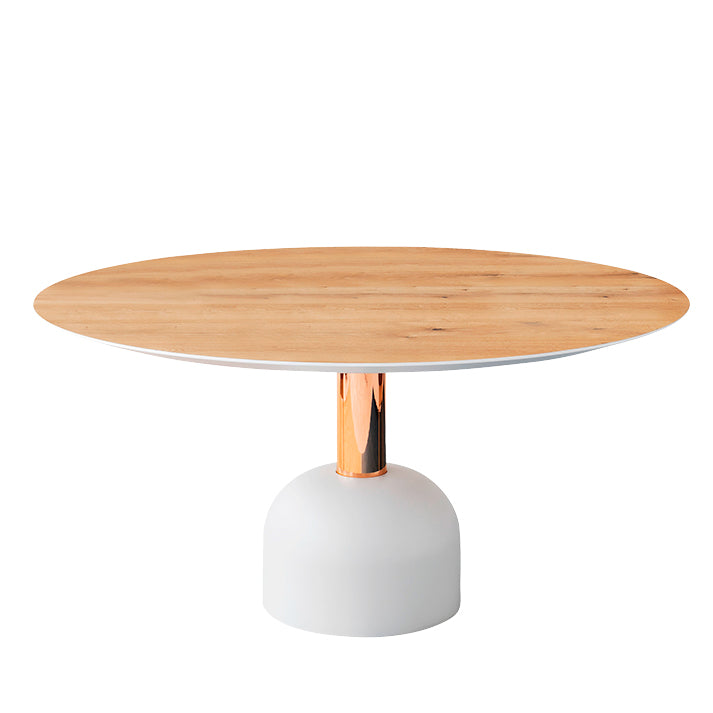
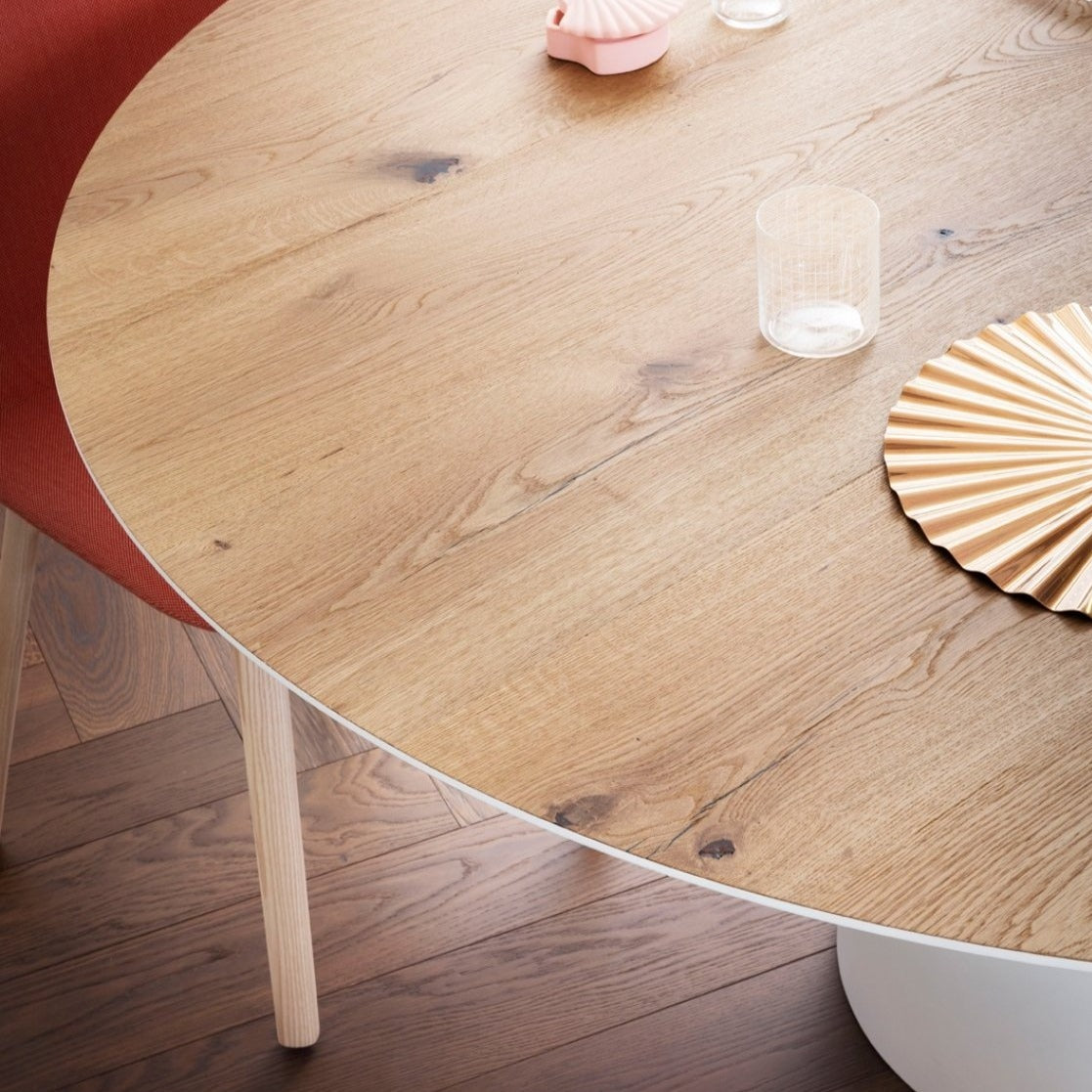
The Alfred Table by Midj isn’t flashy. And that’s exactly why it works. Its ceramic surface quietly bounces daylight across the space, while the steel base mirrors the architectural precision found throughout the home.
It’s grounded, but not heavy. Slim, but not fragile. And the fact that it extends? A practical touch that never interrupts the visual flow. You barely notice it’s designed to adapt—and that’s the point. Function without fanfare.
We’ve had better luck with tables like this in open-plan homes where spatial boundaries are blurred. The Alfred helps re-center a room without dominating it.
Why It Fits the Room:
-
Clean edges echo the architectural language
-
Ceramic finish keeps the palette calm and cohesive
-
Extendable form supports everyday use (and doesn’t scream for attention)
-
Anchors the dining zone without overpowering it
Bruce Sofa by Zanotta
Where it sits: In the lounge, holding space without closing it off
The Bruce Sofa by Zanotta brings that rare combination of softness and structure. It doesn’t sprawl. It settles. With a low back and fine steel legs, it maintains openness in a room that relies on sightlines and flow.
And yet, it doesn’t disappear. Its feather-filled cushions offer a kind of quiet comfort that makes you want to stay longer than planned. We’ve seen other clients lean toward heavier, high-back pieces—but in a space like this, Bruce just makes more sense.
Why It Belongs Here:
-
Low profile keeps the room feeling expansive
-
Soft interiors meet a tailored exterior
-
Neutral tone slips easily into the home’s palette
-
Offers comfort without stealing focus
How to Make Your Space Feel Complete (Without a Major Renovation)
BAC Villa teaches us that great design isn’t about big moves. It’s about clarity. Consistency. And small decisions that, together, shape how a space feels—not just how it looks.
And the good news? You don’t need a full architectural overhaul to apply the same thinking.
Here’s where we tell most people to start:
5 Subtle Shifts That Can Transform a Room
-
Choose One Piece With Intention
Don’t think of furniture as filler. Think of it as a cue. A single, well-placed chair or table can change how you move through a room. -
Let Your Materials Speak to the Space
Match tone, texture, or finish with what’s already in the room—warm woods, soft neutrals, brushed metal. Echo, don’t compete. -
Use Shape to Create Balance
If your architecture is sharp or angular, soften it with rounded edges or open-leg designs. You’ll notice the difference right away. -
Frame—Don’t Fill
Leave breathing room between pieces. Good furniture defines a space without crowding it. (Trust us, we’ve made that mistake.) -
Think About Feeling, Not Just Style
Ask: does this piece change how I use the space? Does it invite calm, connection, or ease? If yes, that’s the one.
So... How Do You Make a Modern Home Feel Warm Without Clutter?
This is one of the most common questions we hear, and the answer lies in precision, not excess. Instead of adding more, choose better. Prioritize tactile materials—textured fabrics, warm-toned woods, ceramics with soft finishes. Add layered lighting and consider how furniture placement shapes movement and mood. A modern space doesn’t have to feel cold or sparse—it just needs intention. When you leave room for each piece to breathe, its warmth becomes part of the architecture itself.

What to Read Next
1. Luxury Dining Tables for Open-Concept Homes
Explore how dining tables can define space in open layouts - and why scale, shape, and material matter more than ever.
2. The Art of Contemporary Dining Chairs
A breakdown of what makes a dining chair feel modern, timeless, and comfortable - plus a few pieces worth bookmarking.
3. Zanotta, Decoded: Inside the Brand’s Design Philosophy
A closer look at what makes Zanotta’s pieces feel timeless, and how their quiet innovation continues to shape modern interiors.

Written by Noah Redwood
Noah Redwood is a lifestyle blogger and content creator known for his discerning eye and intuitive sense of design. With years of experience exploring the world of luxury furniture and home décor, he has a rare ability to recognize what makes a piece truly exceptional, in form, proportion, and detail. His work celebrates the art of seeing, helping readers recognize the nuances of great design.