


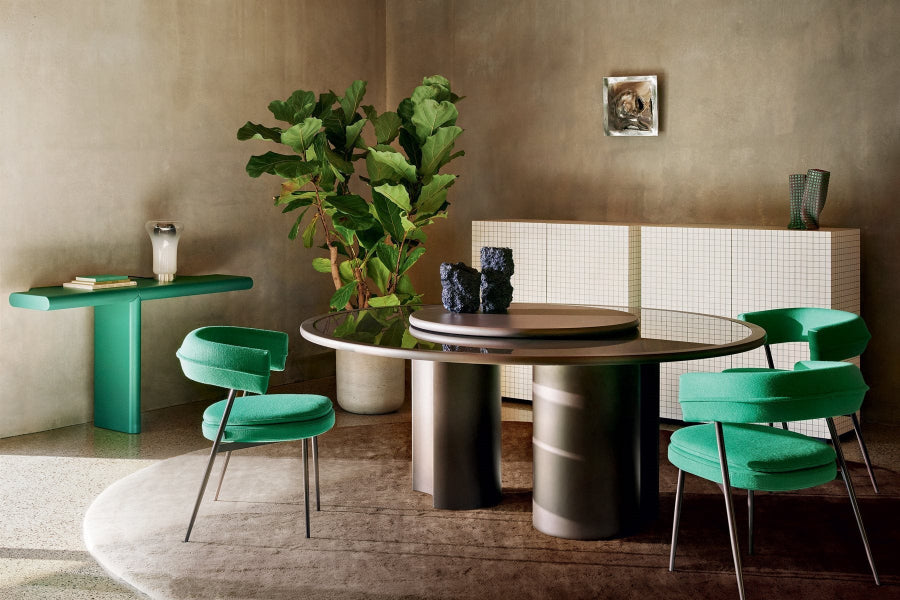
Zanotta Tables
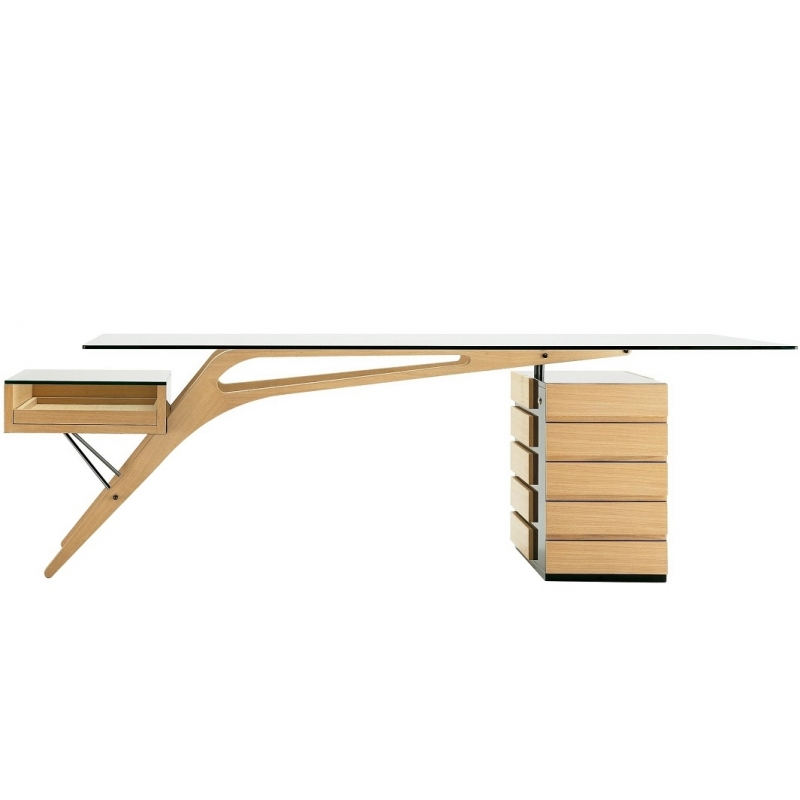
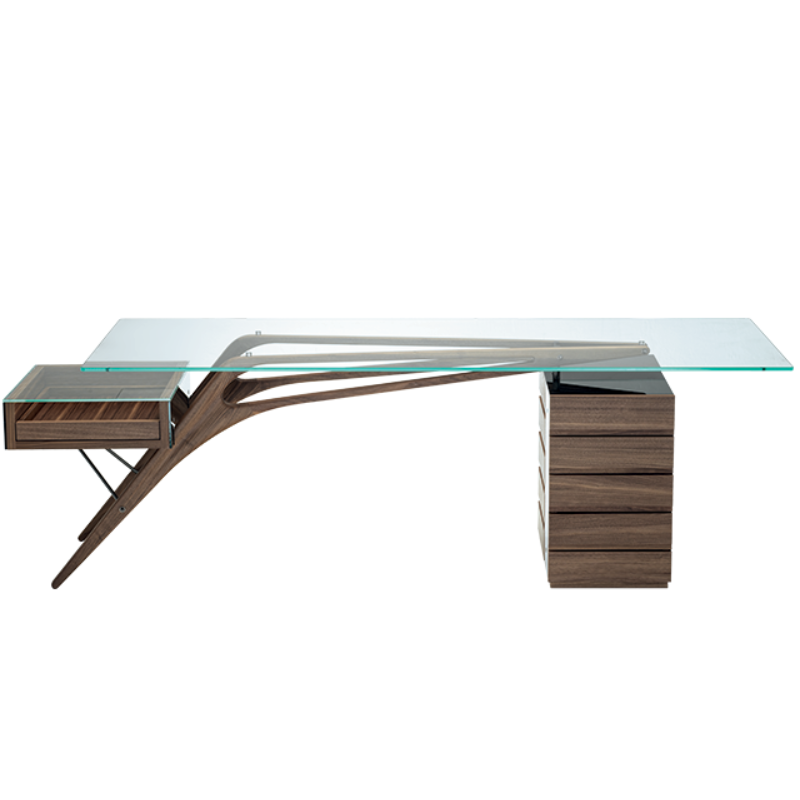
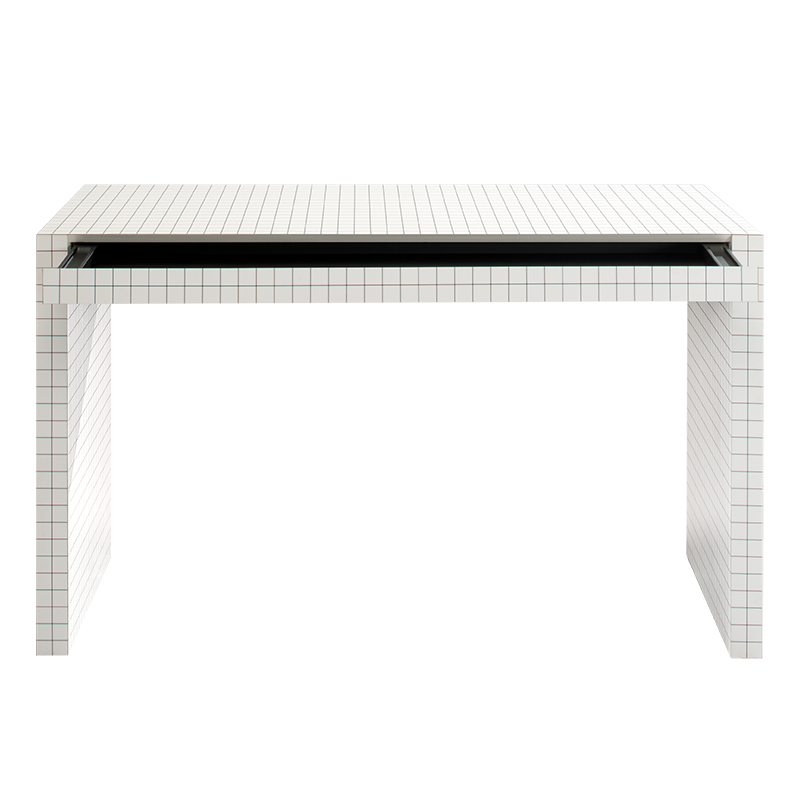
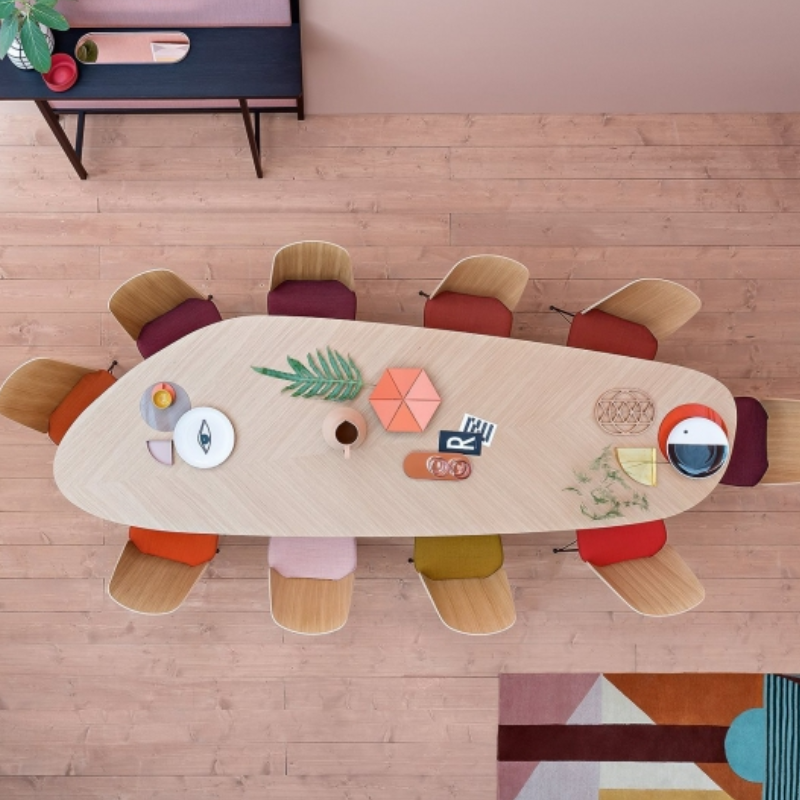
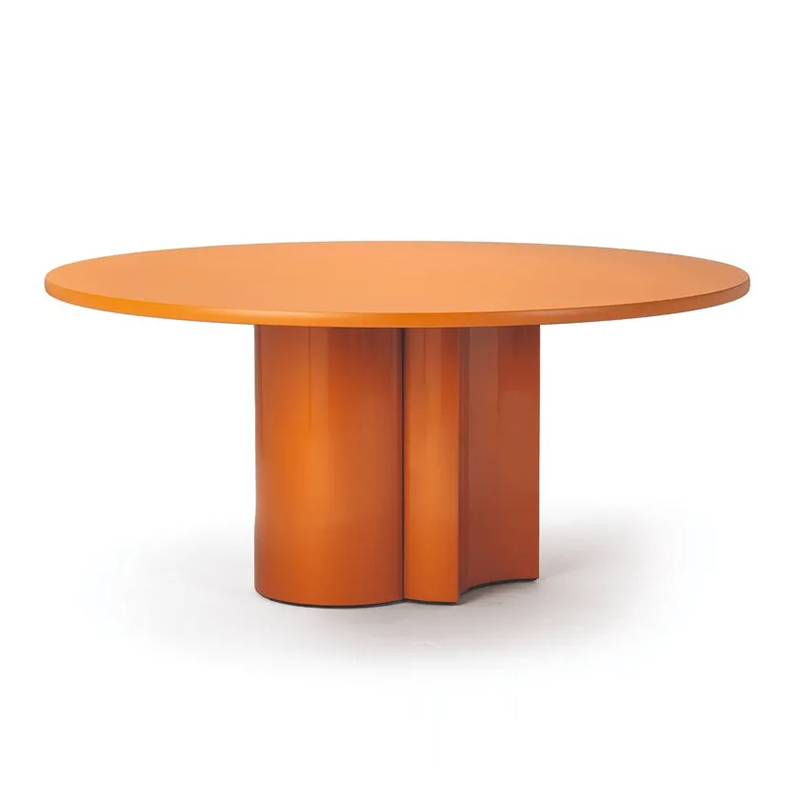
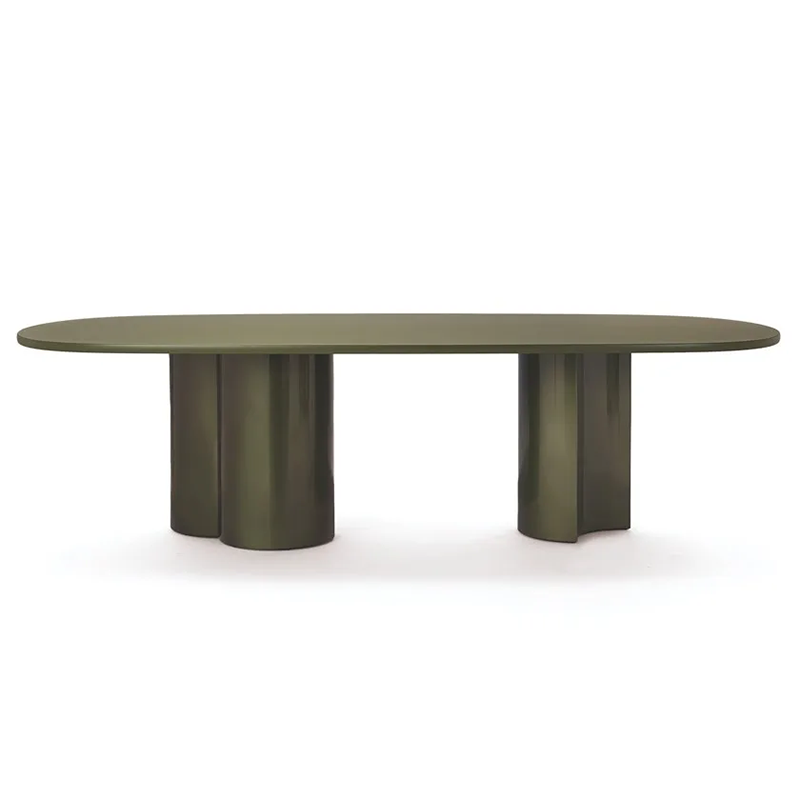
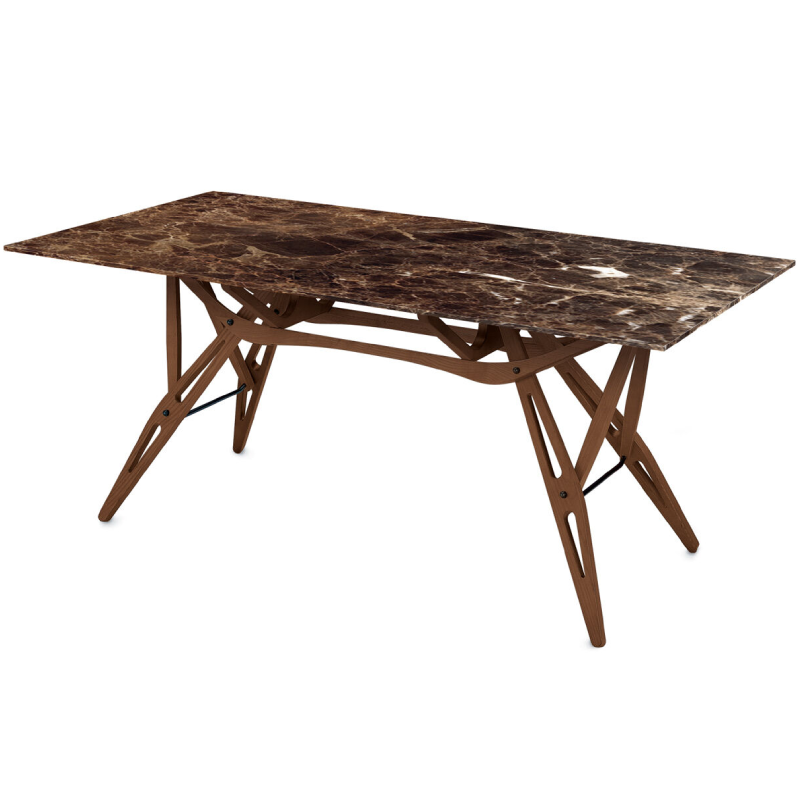

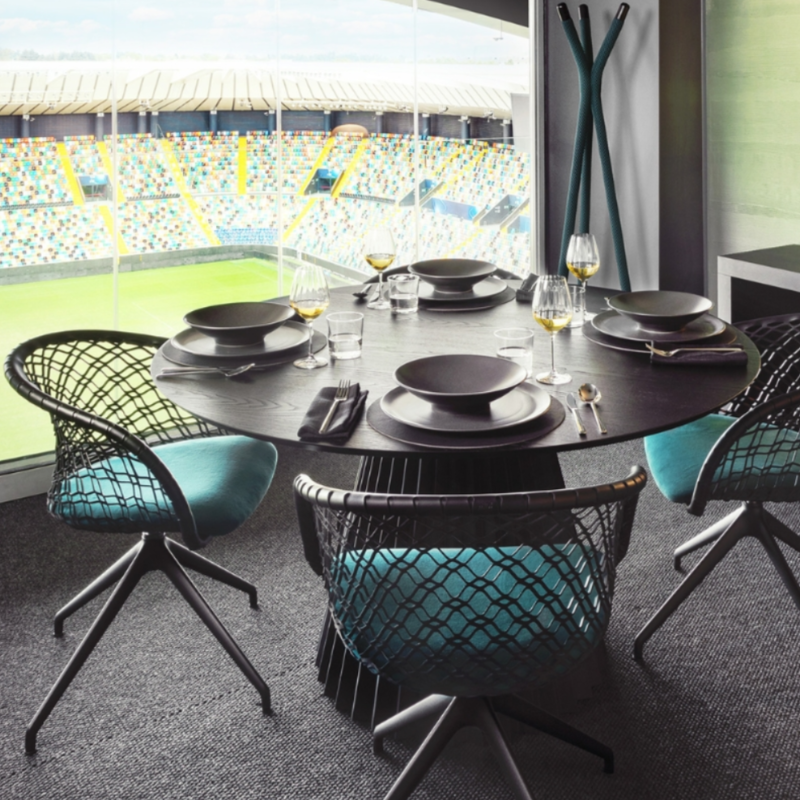
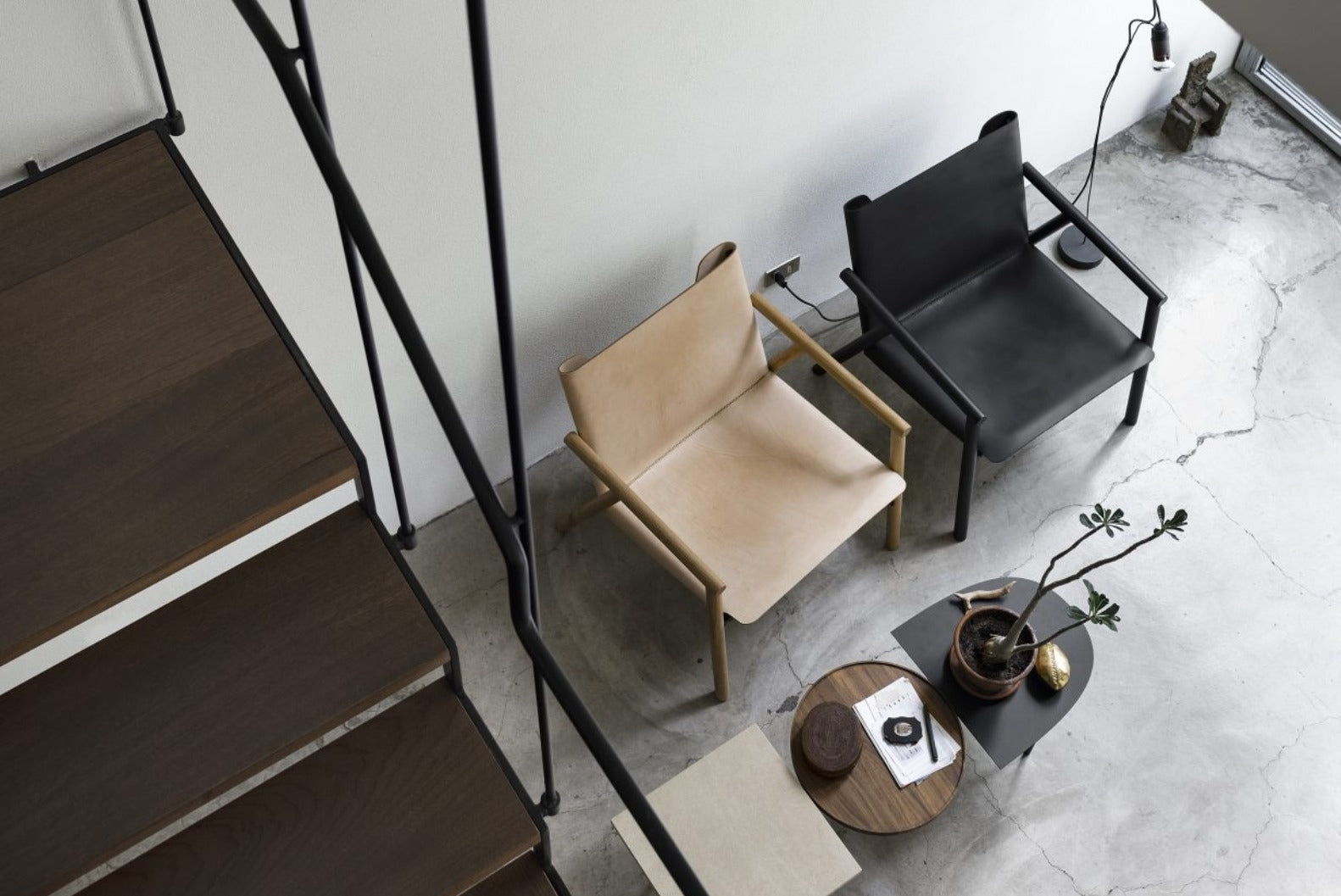
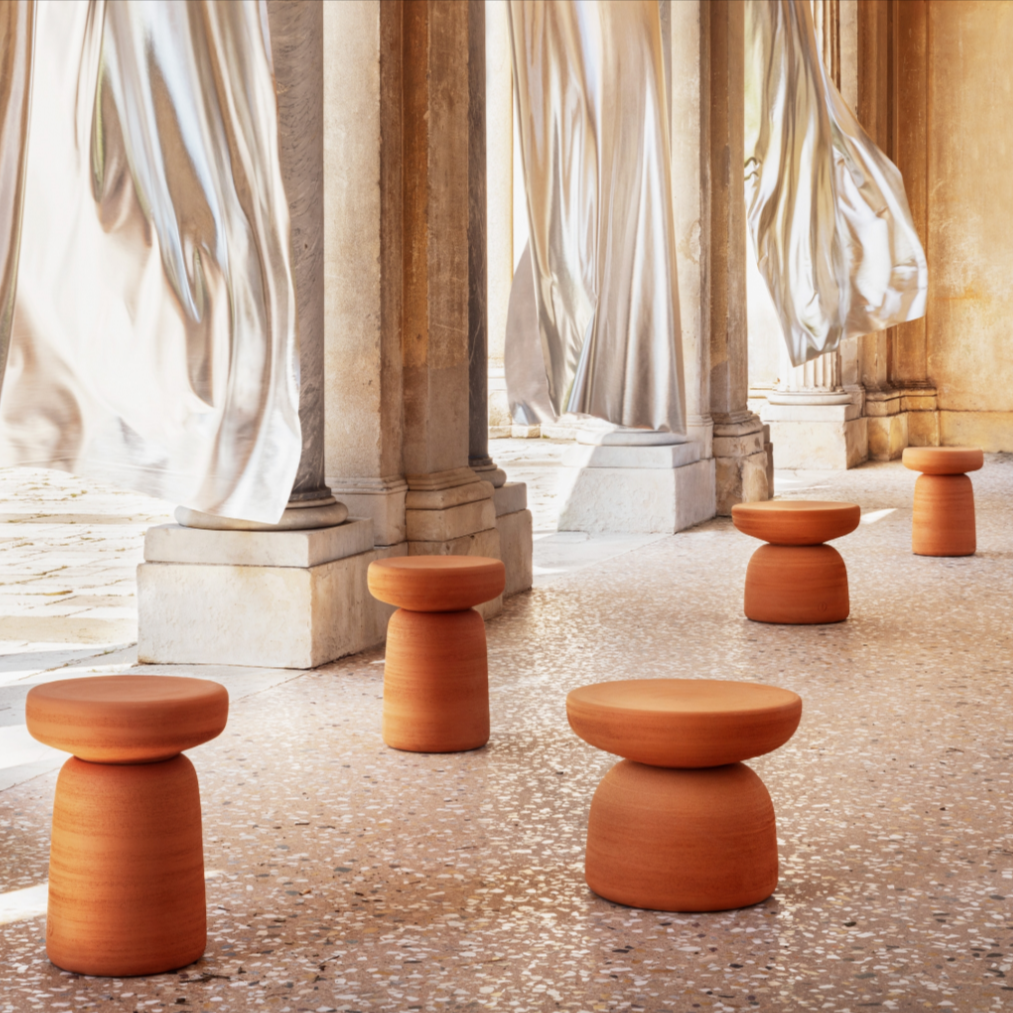

Zanotta Tables made in Italy
What Makes Zanotta Tables Different
What do you want a table to do, beyond holding dinner and laptops? Zanotta tables sit at a rare intersection of design history and everyday use. They are not just surfaces to eat or work on. They are ideas, often radical ones, translated into functional objects. From the very beginning, Zanotta treated tables as cultural statements rather than background furniture. In our experience, when someone chooses a Zanotta table, they are usually looking for a piece that sparks conversation and anchors the room in a very intentional way, especially when paired with lounge chairs that carry the same design confidence.
Brand Context and Radical Design Thinking
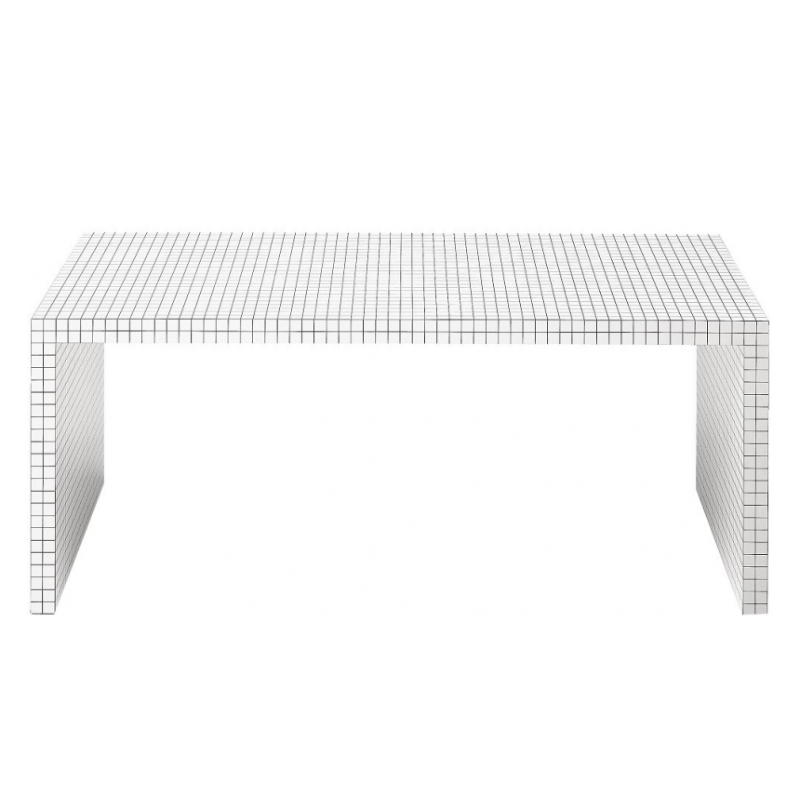
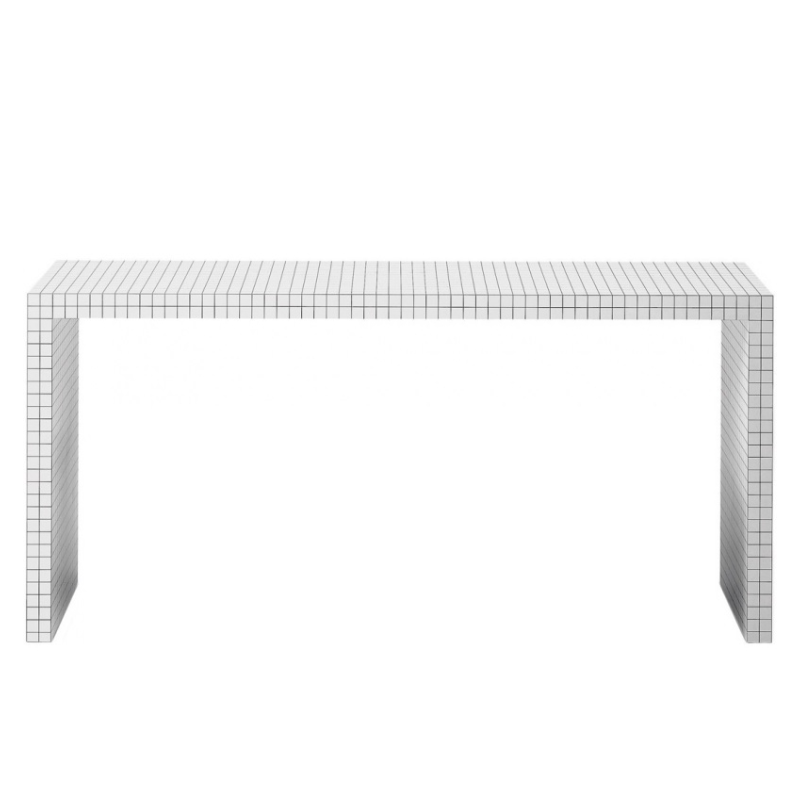
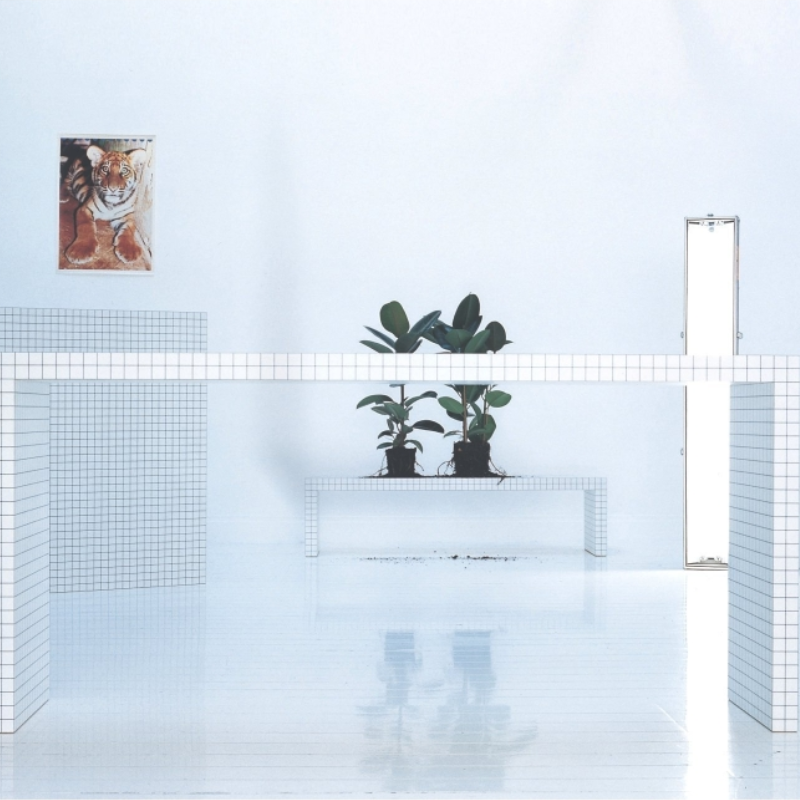
How did a furniture brand become a cornerstone of Italian anti-design? Founded in 1954 near Milan, Zanotta became a central figure in the movement by working with radical thinkers like Superstudio, Joe Colombo, and Achille Castiglioni. What if a table was a grid? What if it challenged the idea of decoration altogether? These questions shaped icons like Quaderna and Marcuso, which still feel surprisingly current decades later. Zanotta tables are often mentioned alongside Italian luxury brands, not because they chase trends, but because they keep pushing ideas forward while staying livable in real homes.
Materials, Construction, and Lasting Impact
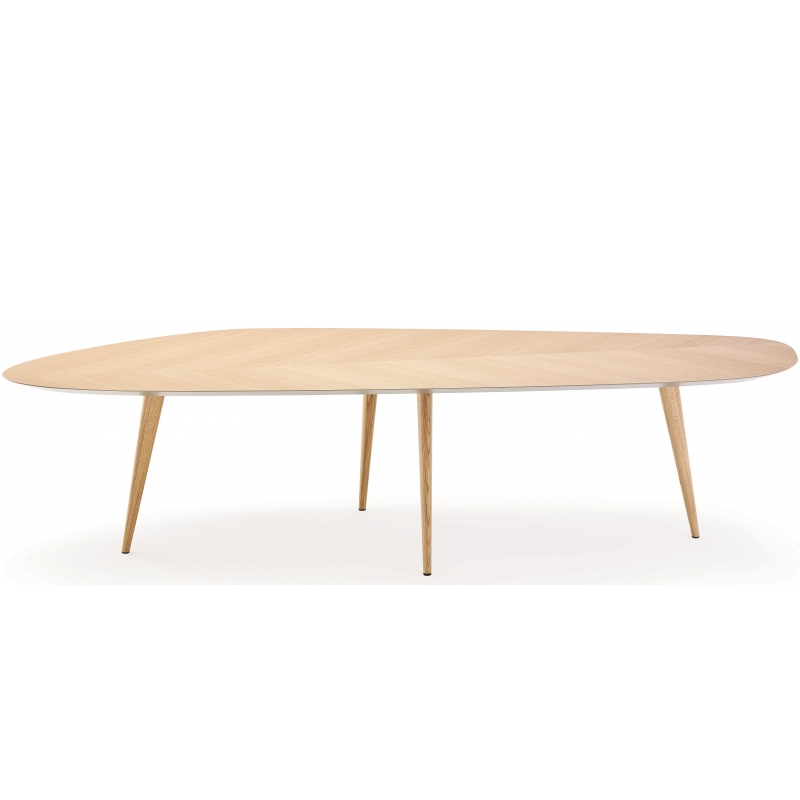
What does experimental look like when it has to survive everyday life? Zanotta’s early tables explored unconventional construction methods, including laminate applied over rigid polyurethane foam and pioneering glass-to-steel fastening techniques. Today, the collection balances that legacy with refined execution. You will find precisely engineered bases, thoughtful proportions, and materials chosen for longevity and visual clarity. Whether you are drawn to a sculptural wooden table or a graphic, architectural surface, the emphasis stays on form that earns its place. What we can tell you is that these tables age exceptionally well, both physically and aesthetically, which matters if the table is meant to live in a contemporary living room rather than a showroom.
Iconic Table Families Worth Knowing
Which classics are actually worth knowing by name? Quaderna, designed by Superstudio in 1970, remains one of the most recognizable Zanotta designs. Its white grid surface references urban planning and conceptual art, and it has been produced continuously since 1972. Marcuso shifted the conversation by introducing a glass top structurally fastened to steel, a technical innovation at the time. Poker, by Joe Colombo, adds a foldable, adaptable dimension, while Basello by Achille Castiglioni brings a lighter, more ironic touch that still feels deeply considered. These tables are as likely to appear in museums as they are in homes, which speaks to their dual identity as functional pieces and design objects.
Our Favorite: Reale Table
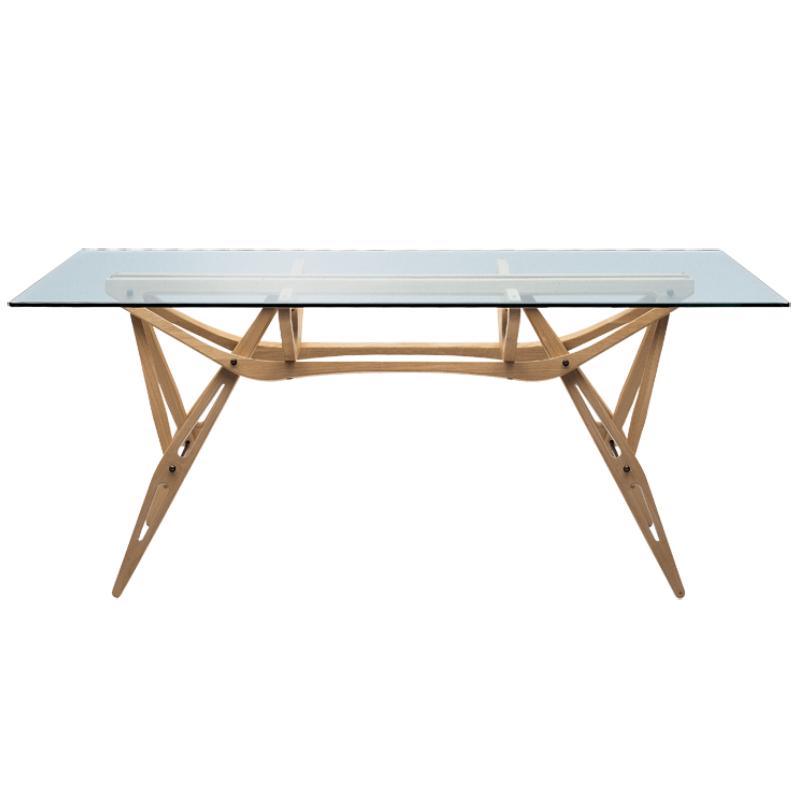
Want a Zanotta table that stops you mid-scroll? If we had to choose one piece that captures the brand’s spirit today, it would be the Reale Table. There is nothing else quite like it. The base feels architectural and almost sculptural, and customers consistently gravitate toward the version with a transparent glass top so the structure remains fully visible. You notice it immediately when you walk into the room. We have seen Reale work beautifully as a dining table and as a statement piece in open-plan spaces, often complemented by quieter side tables so the base can take center stage.
Lead Time, Warranty, and Product Details
- Average lead time for Zanotta tables is 14 to 16 weeks.
- Measurements, finishes, and downloadable technical files are available on each product page.
- Zanotta offers a 2 year warranty on coverings and a 5 year warranty on all other products or parts.
- We are happy to help you think through finishes, scale, and placement before ordering.