3 Modular Office Furniture Designs That Are Both Genius and Gorgeous
Modular office furniture has become the quiet hero of thoughtful workplaces, the kind that still looks composed after a busy day of hot desking, quick huddles, and last-minute client walk-throughs.
The appeal is simple to understand. Clean geometry keeps sightlines calm, cable routing is built in rather than added later, and pieces shift with the team instead of fighting the floor plan. We’ve seen clients move a few modules, add a power unit, and then suddenly a noisy corner becomes a productive nook, and yes, it made a huge difference.
At the center of that shift is Lapalma, the Italian design house that’s made a name for itself by treating commercial furniture with architectural seriousness. Their collections don’t just sit in the room; they frame it. Every module, finish, and attachment is part of a larger design conversation about how people actually use space.
This article looks closely at three Lapalma designs that consistently perform in both boutique studios and corporate environments: the ADD System that shapes zones with clarity, the Brunch Desk that delivers agile work points without sacrificing elegance, and the Plus Sofa that turns lounge areas into productive destinations.
Each one demonstrates how a modular furniture system can be beautiful, adaptable, and repeatable across different teams and floor plans.
1. The ADD System - Where Geometry Meets Genius
The ADD Collection reads like precise architecture, not just furniture. Low profiles keep sightlines open, square modules lock into clean geometry, and the whole composition shifts without drama when your team does. Start with a simple linear run, introduce backs to suggest privacy, thread in storage to pace the floor, then bring power to the seat so laptops are never chasing outlets.
What you’ll notice
-
-
Setups that easily shift from open benches to semi-private spots in minutes
-
Built-in outlets and USB ports to keep surfaces clean and clutter-free
-
Slide-in trays that add just enough workspace wherever people gather
-
Divider inserts that add structure without blocking light
-
Where it excels as a modular furniture system
Open plans that need quiet structure, hybrid teams that re-shape weekly, studios that care about proportion and finish. We’ve seen ADD survive three restacks and still look intentional, which tells you the geometry is doing real work.
How to Style It:
-
For a creative space: Mix charcoal fabric modules with powder-coated white frame, and layer in oversized linen pendant lighting. Add in matte black accent trays for a tonal break.
-
For a polished office look: Use muted greys or warm camel tones, paired with slimline planters between segments to soften transitions and zone without walls.

-
Our favorite pairing: ADD seating with suspended acoustic panels above - a move that feels architectural but effortless.
2. Brunch Desk - Light on Form, Heavy on Impact
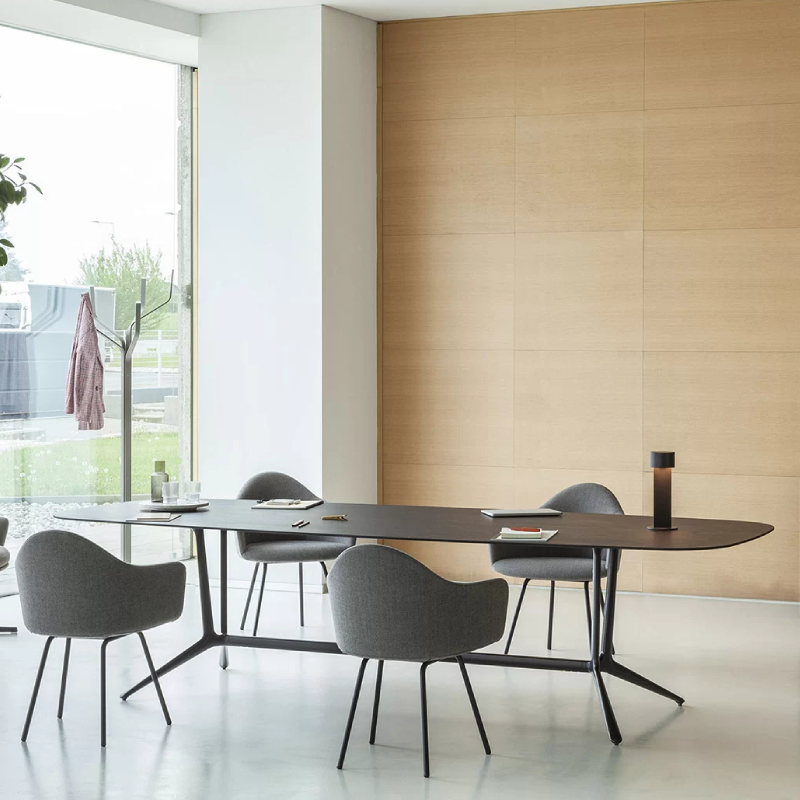
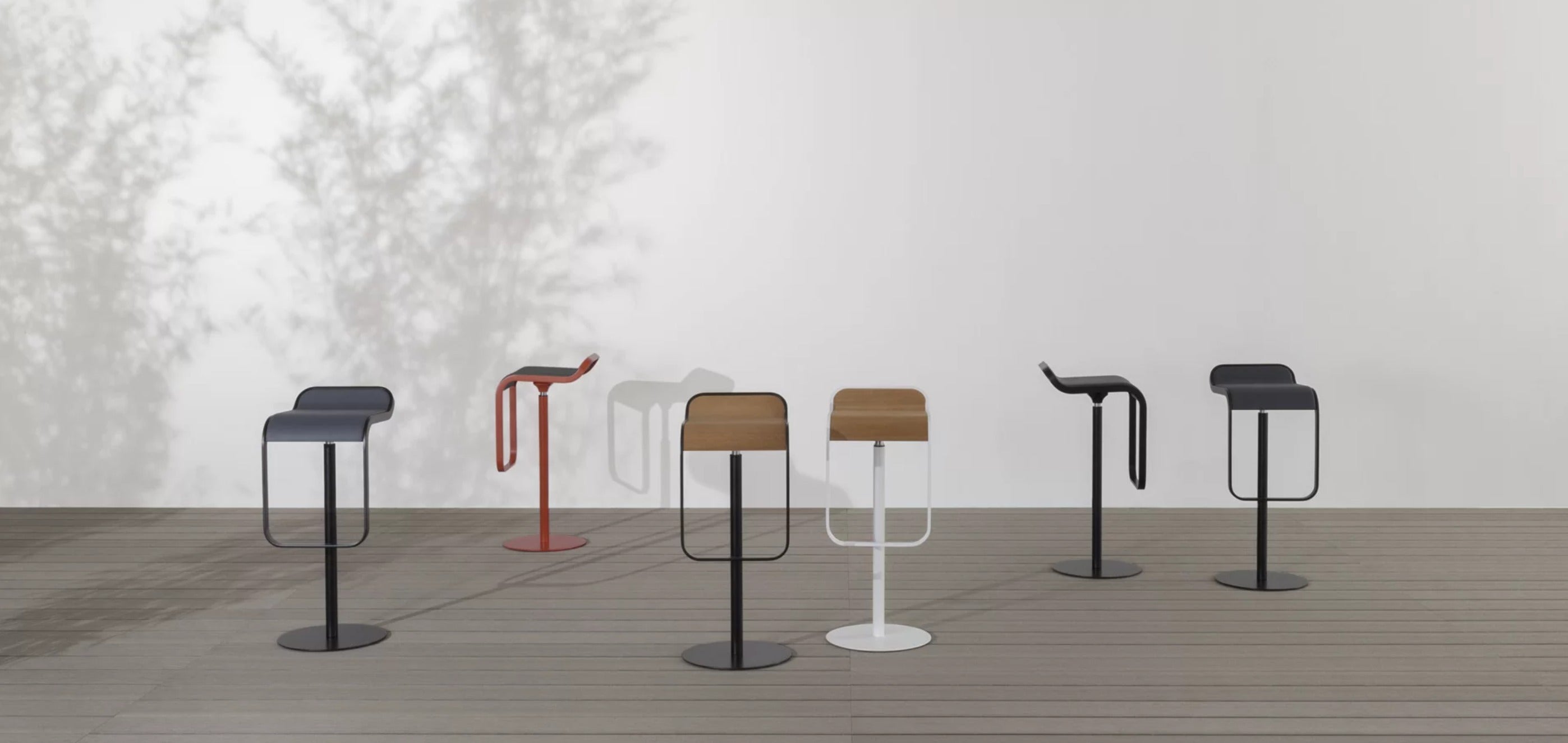
The Brunch Desk is visually light, function-first, and easy to live with. Curved corners soften circulation, slender legs keep the footprint airy, and integrated routing hides cables so the desk reads as a single line. Heights cover seated, café, and standing, which quietly support posture changes through the day.
Why teams pick it
-
-
Easy to move. One person can rearrange a setup between meetings
-
Panels offer a bit of privacy and sound control, without feeling bulky
-
Hidden cable pass-throughs keep tech out of sight (and yes, it really helps)
-
Works for everything from solo desks to shared pods to long team rows
-
According to Nova Acoustics, a UK-based consultancy providing expert-led workplace noise assessments, modular office layouts can significantly enhance privacy, focus, and acoustic comfort in open-plan environments.
For teams that need more acoustic separation than desk panels can provide, modular layouts can also incorporate office pods for private calls, focused work, or small meetings. This keeps the wider workspace open and flexible while giving employees access to a quieter setting when needed.
Layout ideas
-
Focus lanes: pairs in series for individual work that still feel connected
-
Collaboration corners: four at café height around a small pendant for quick huddles
-
Floating singles: near libraries or lounge zones for drop-in work
How to Style It in Modern Living Spaces:
-
In a boutique agency: Use walnut veneer tops with black bases, paired with linen-covered task chairs. Accent with raw-edge corkboards and soft terracotta planters for a tonal look that feels lived-in but refined.
-
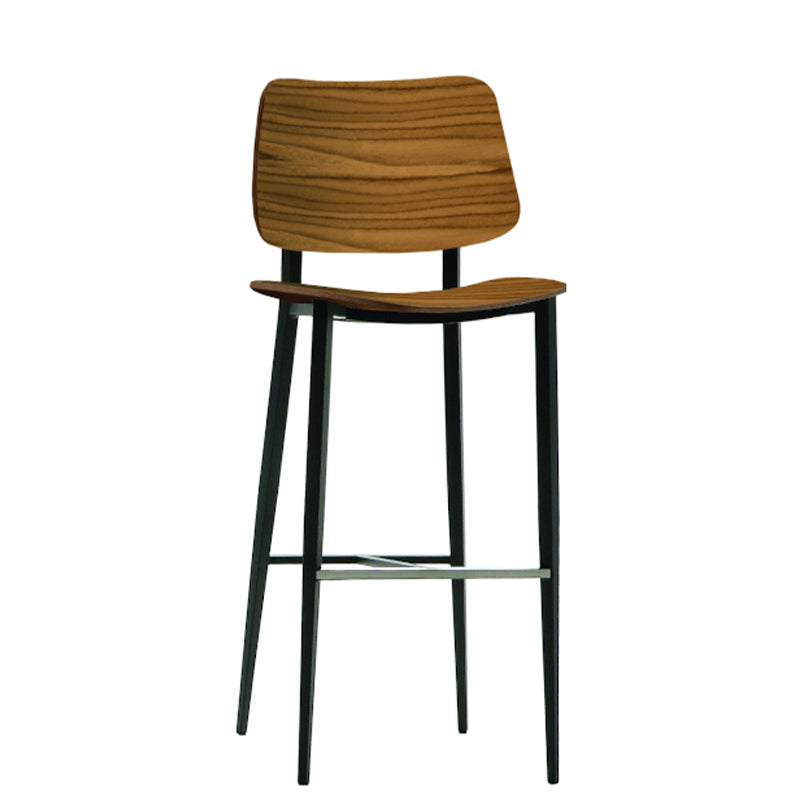
In a hybrid meeting space: Go café-height with minimalist stools and plug-in task lighting. Add felt or PET acoustic dividers between stations for texture and function.
-
Pro tip: Brunch looks best when nothing is fighting it. Keep accessories minimal - think sculptural trays, concrete pen holders, small domed lamps or subtle wall accents add character without overwhelming the space.
We love using Brunch for agile zones. It holds its own in high-style spaces, but it doesn’t overwhelm, and yes, the cable access really is that well-integrated.
3. Plus Sofa - The Modular Sectional That Works as Hard as You Do
Some furniture systems are designed to fill space. Plus is designed to shape it.
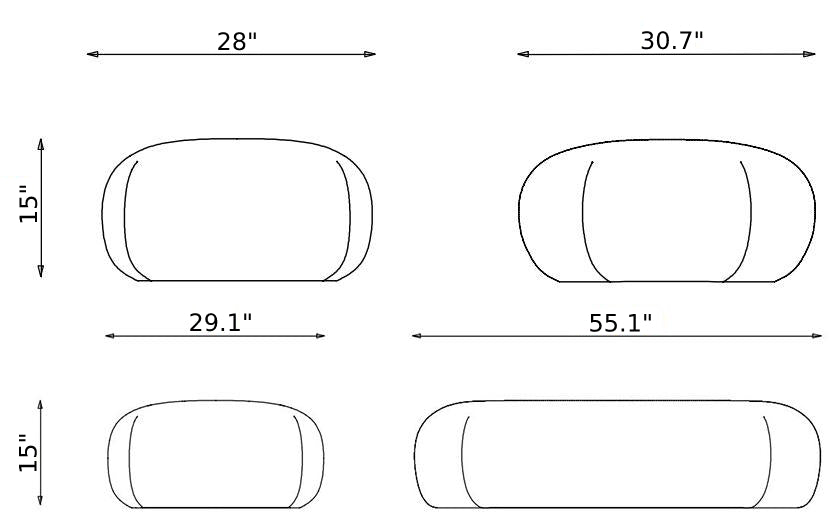
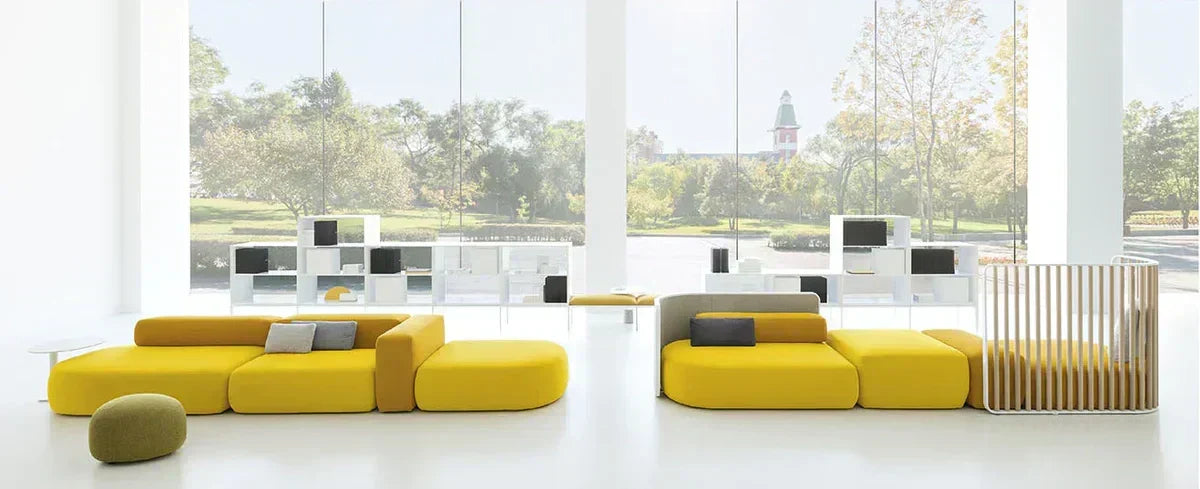
At first glance, this modular sectional looks almost understated - blocky cushions, minimal joinery, a low seat height that feels more lounge than boardroom. But that’s the brilliance of it. Plus was built to adapt - not just to how a room looks, but how it’s used.
Need to host a creative brainstorm with five people? Rearrange the modules into a U-shaped cluster. Want a softer touchdown zone at the office entryway? Float a pair of two-seaters with a round coffee table in between. And if someone needs a quiet place to work solo? Add backrests, arms, and a side table, and it becomes an instant productivity corner.
What Makes The Plus Modular Couch a Smart Choice:
-
Modular pieces with backrests that slide or come off
-
Built-in power options for charging
-
Durable, high-quality upholstery (in wool, leather, or recycled blends)
-
Optional arms, side tables, and connectors for flexible setups
-
Works with commercial charging hubs and plug-in add-ons
This is the kind of piece that redefines what a modular couch can be. It’s visually light but structurally solid, which means it works in high-traffic zones without wearing down, and still feels soft enough for a mid-afternoon pause between meetings.

How to Style It:
-
For a lounge-inspired work zone: Go for a monochrome palette - soft grey cushions, pale oak tables, black steel legs. Anchor it with a textured wool rug and sculptural side lighting.
-
For a high-impact client space: Use bold upholstery (think slate blue or rust), and pair it with smoked glass tables and art-led shelving.
-
Bonus styling tip: Don’t skip the side tables; they’re not just practical, they balance the visual weight and invite better flow between modules.
We’ve installed Plus in startup lounges and in finance offices, and in both cases, it made the space feel intentional, like it was designed, not just filled.
Q&A
Q: What are the disadvantages of modular furniture?
A: Modular furniture offers flexibility, but it comes with a few trade-offs. The initial investment is often higher than fixed alternatives. If not thoughtfully selected, mismatched modules can make a space feel disjointed. And while reconfigurability is a benefit, it does require occasional effort to adjust layouts as needs evolve.
Q: What is the ideal type of office layout?
A: A zoned hybrid layout is widely considered the most effective. It blends open collaboration areas with quiet focus zones and breakout spaces. Modular furniture fits perfectly into this model, allowing teams to reconfigure layouts easily as work styles shift.
Q: What are the three things needed for modular design?
A: Successful modular design depends on:
-
Interchangeability - Components should connect or move freely without complication.
-
Consistency - Uniform proportions and finishes keep the space cohesive.
-
Scalability - The system should expand or contract based on your current needs without requiring a redesign.
Conclusion
Good office design lives in the pieces people touch every day, the seat that invites a quick huddle, the desk that moves without fuss, the sofa that quietly holds a conversation. That is where Lapalma’s systems earn their place. ADD brings order to open plans, Brunch keeps work points light and agile, and Plus turns lounges into productive zones. Each one looks refined, each one solves a real problem, and together they make Modular Office Furniture feel like the smarter long game.
If we had to choose a single reason they work so well, it is clarity. Clear geometry, clear cable paths, clear ways to grow without visual noise. Start small, expand in measured steps, keep finishes consistent, and the space reads composed even as your team shifts.
As Architectural Digest smartly put it,
“While full-on customization might be out of range for most of us, modular furniture offers a happy in-between: pre-designed furnishings that can be customized to your liking and adjusted to fit your lifestyle.”
Ready to build a workspace that adapts with you, not against you? Explore the collections, compare modules, and map your plan. For more design perspectives that connect work and home, step into our world of modern living.

Written by Isaac Grey
Isaac Grey is a digital marketing strategist and content creator who has spent the last several years researching and providing knowledge on furniture styles, design questions, consumer dilemmas, and design trends. He encourages people to consider the practical and functional implications of design, guiding them to make thoughtful, well-reasoned decisions that balance aesthetics with utility. His approach helps readers understand the why and how behind design choices and how to make spaces truly “work.”