


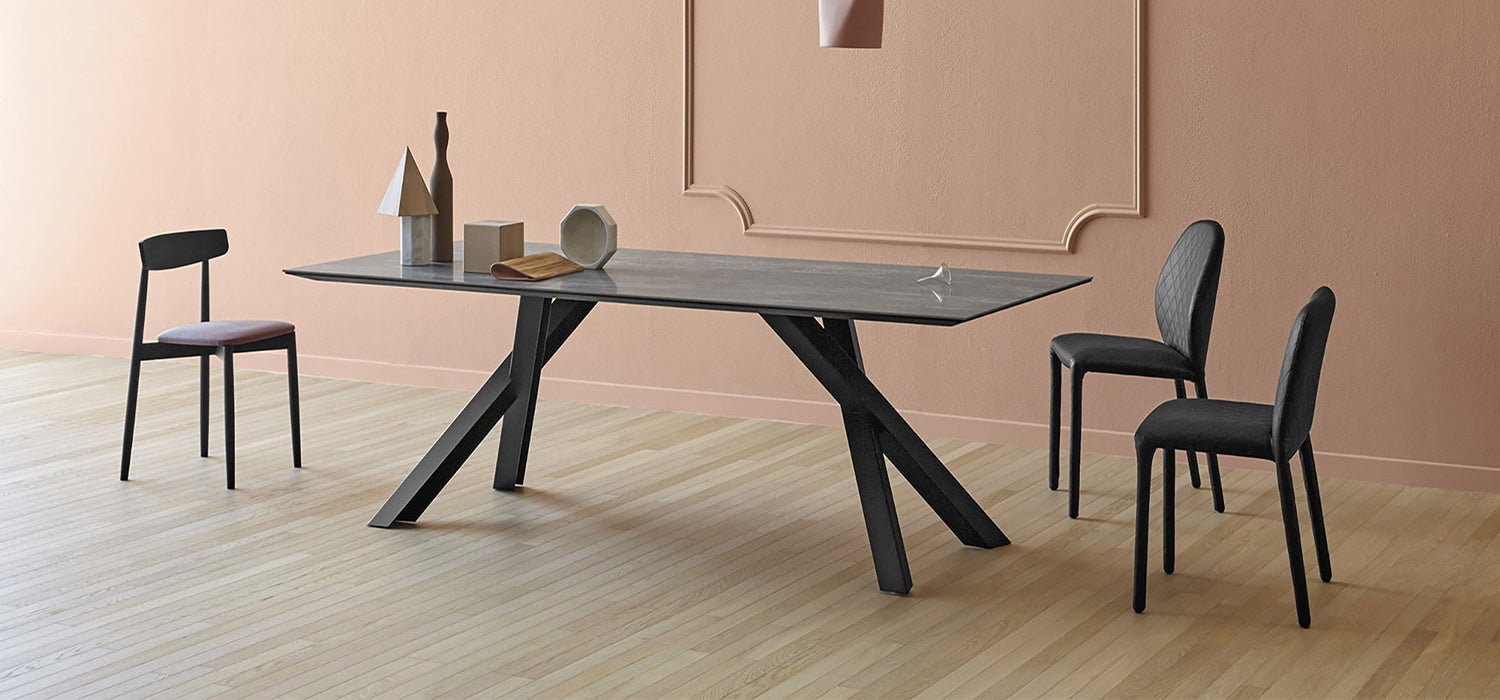
Double Pedestal Tables
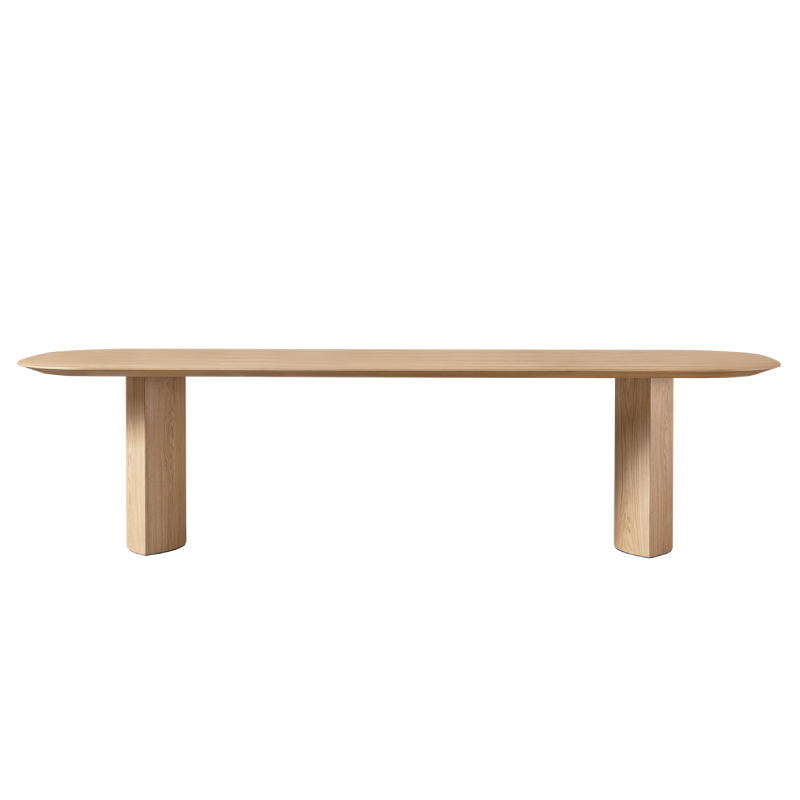
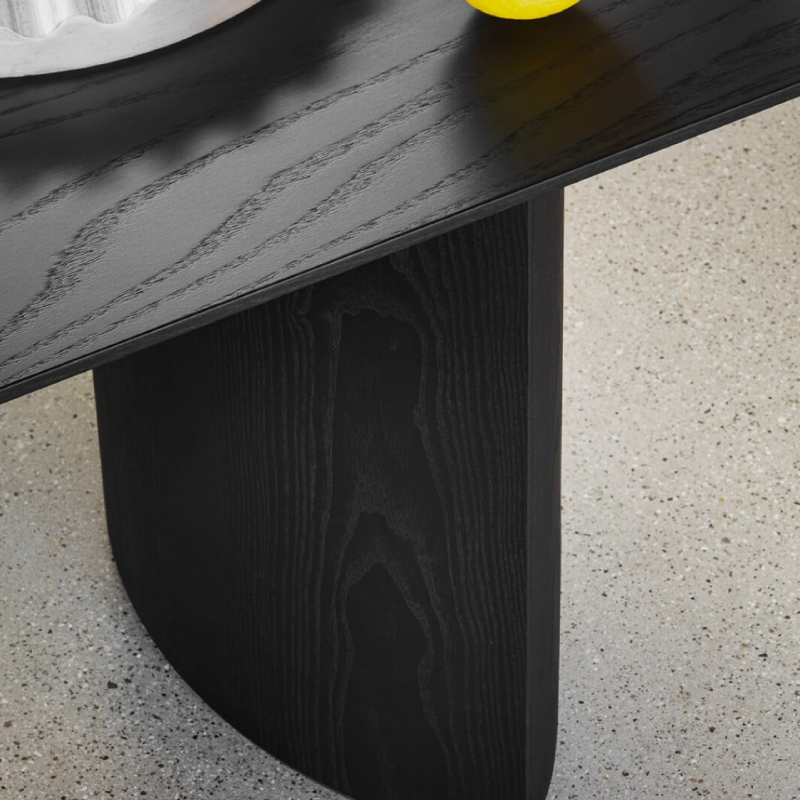
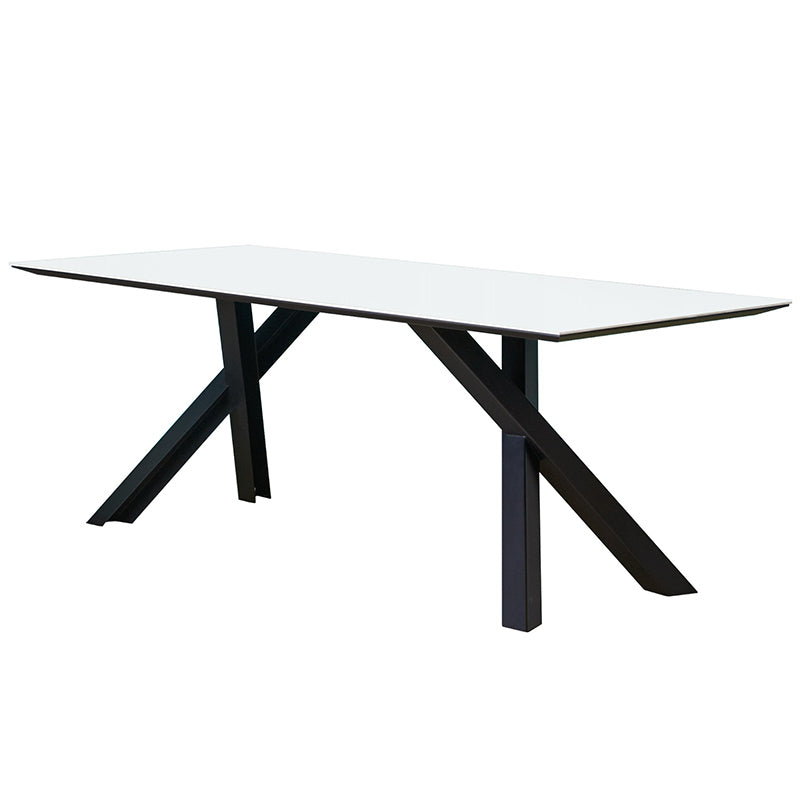


Double Pedestal Tables
What is a Double Pedestal Table and How Does It Differ from Other Table Base Types?
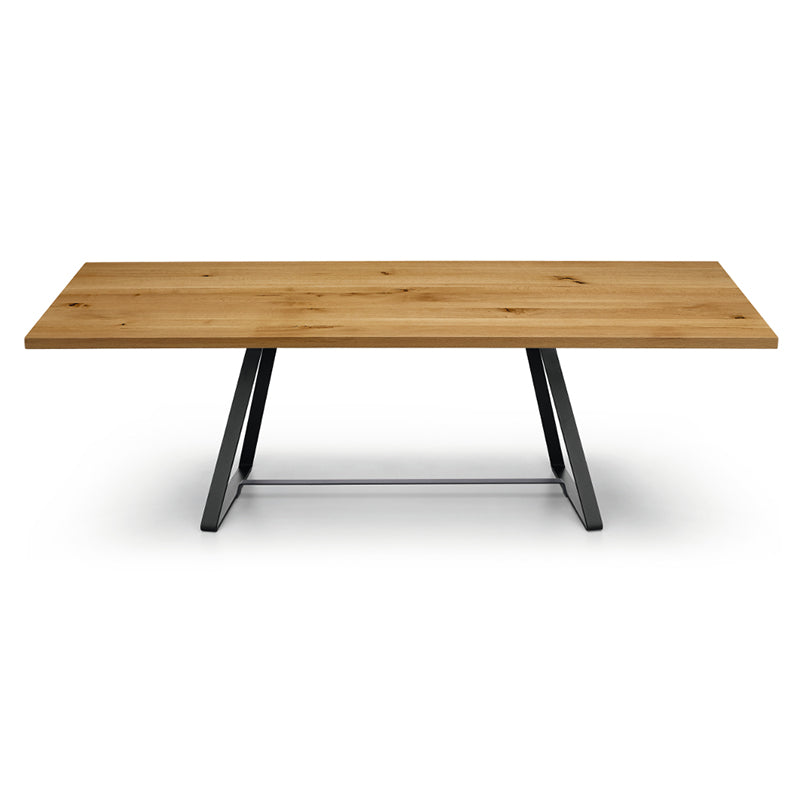
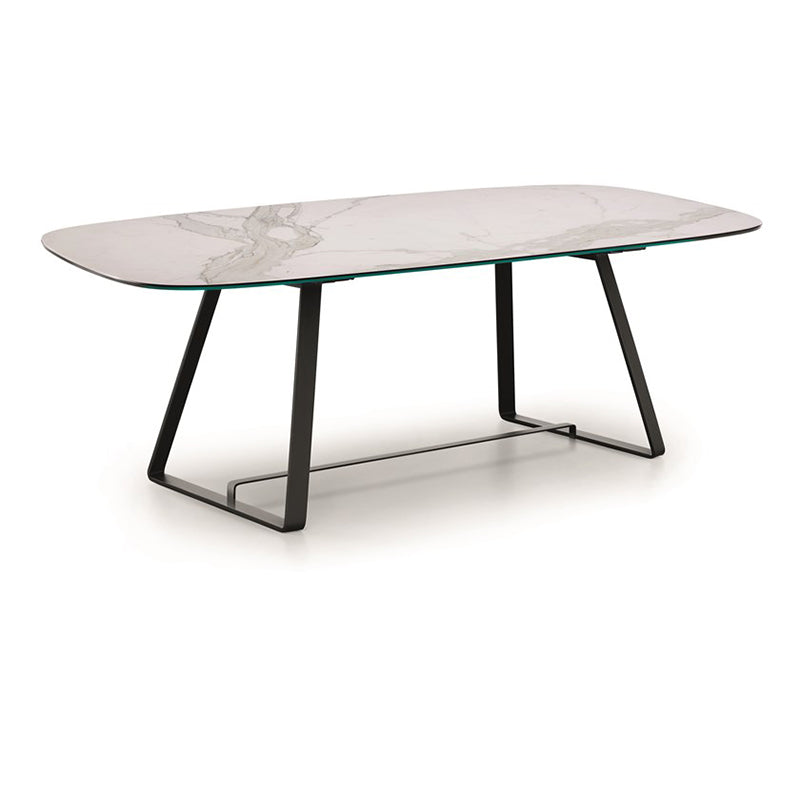
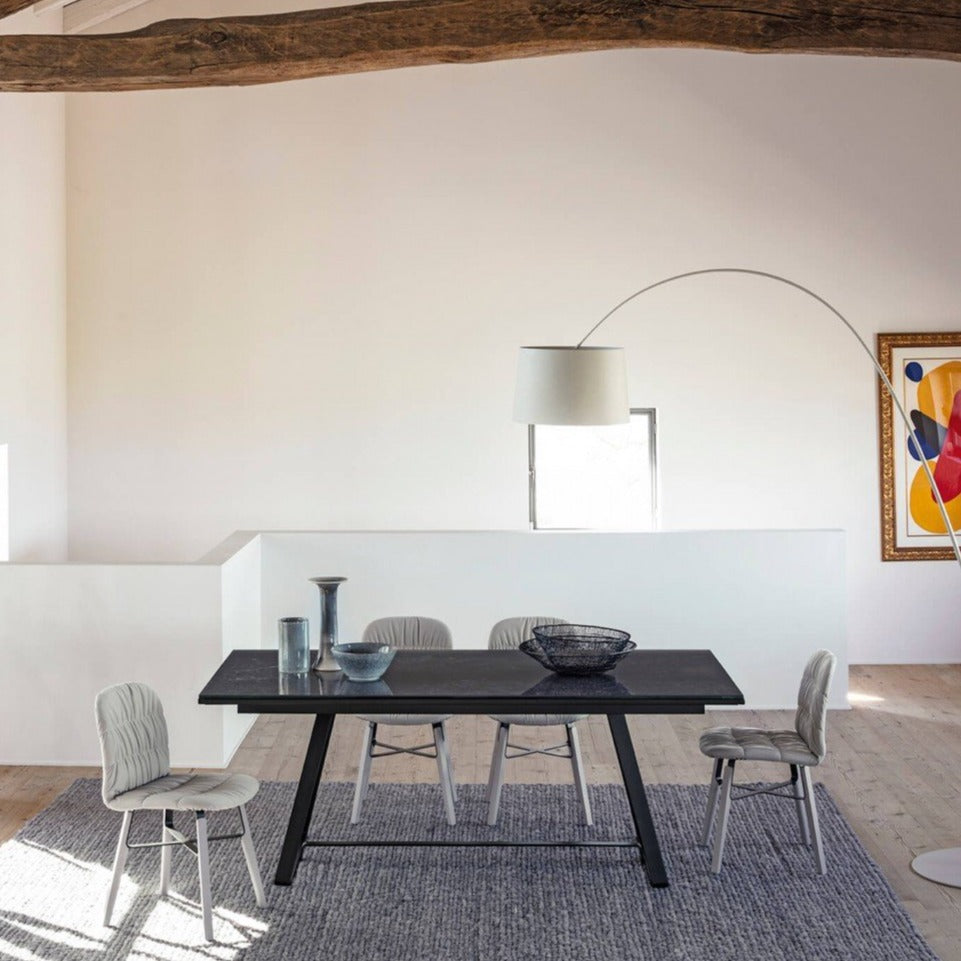
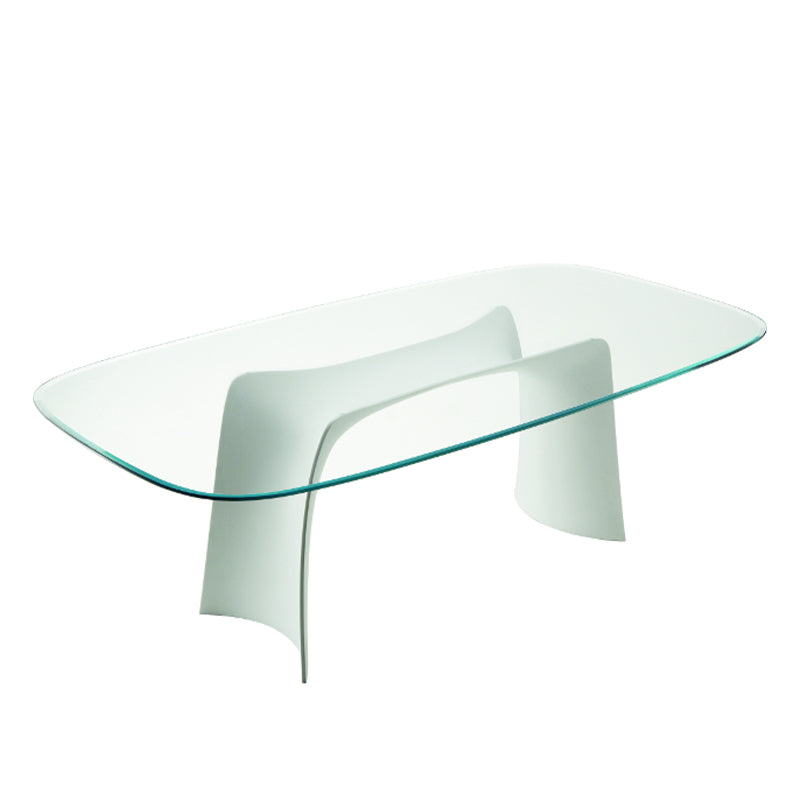
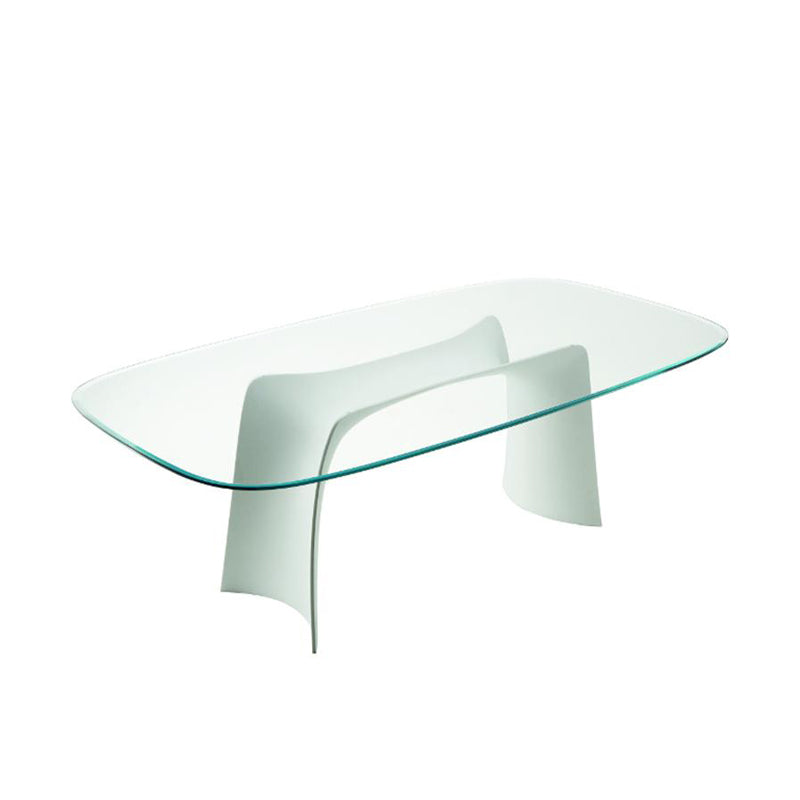
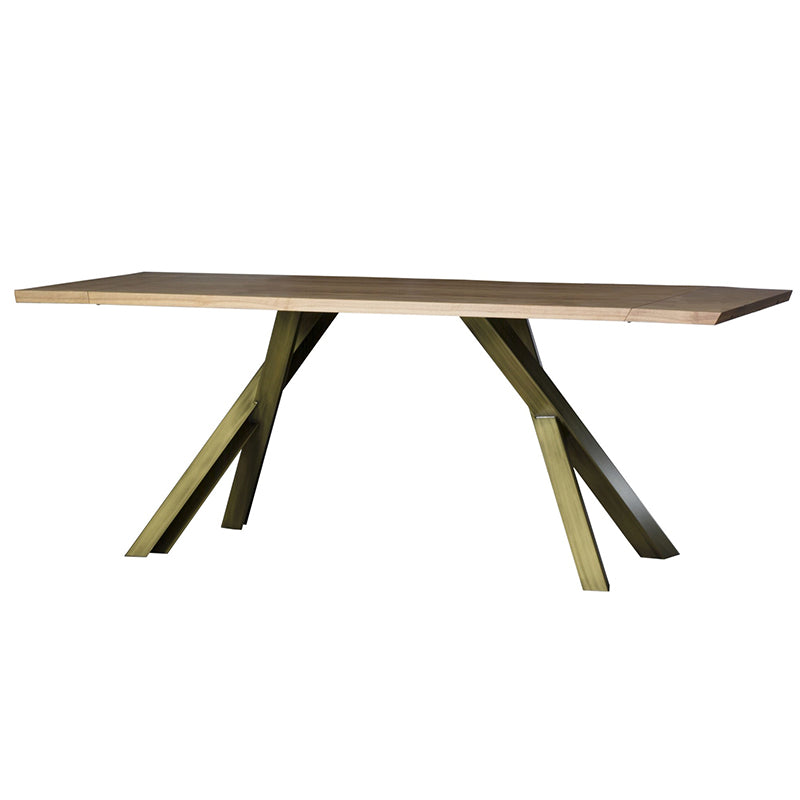
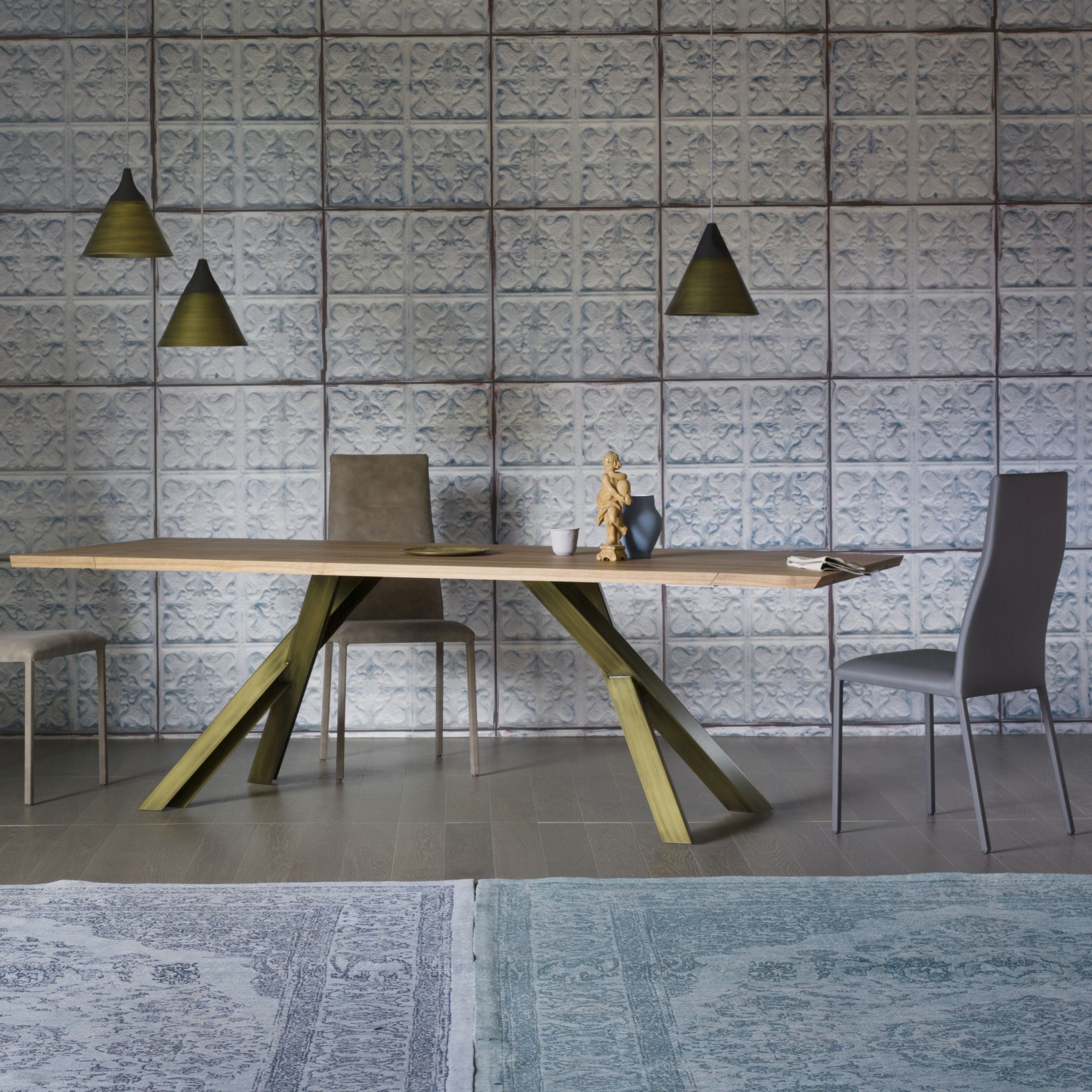
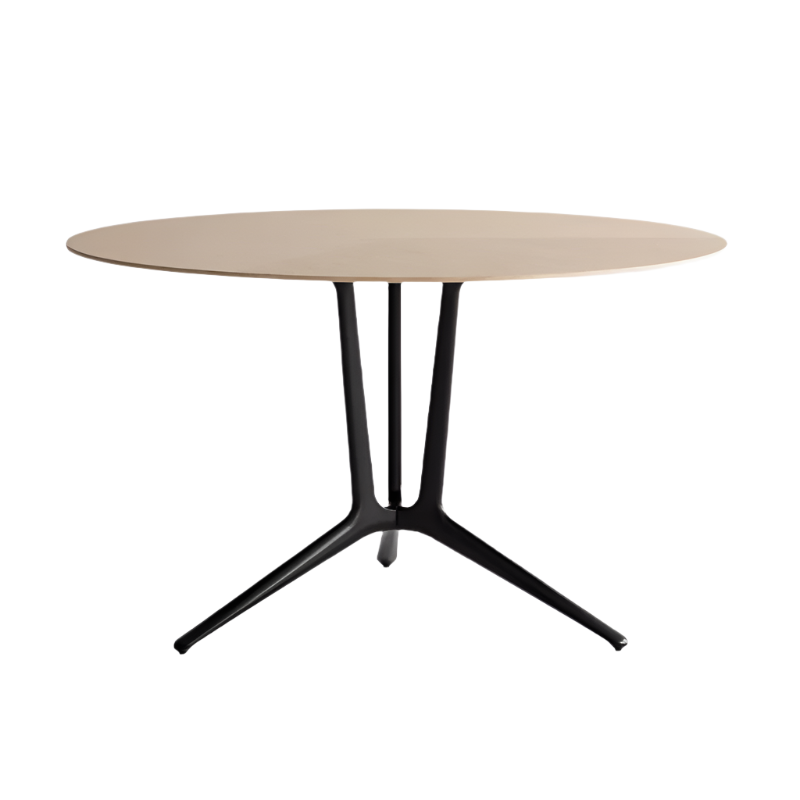
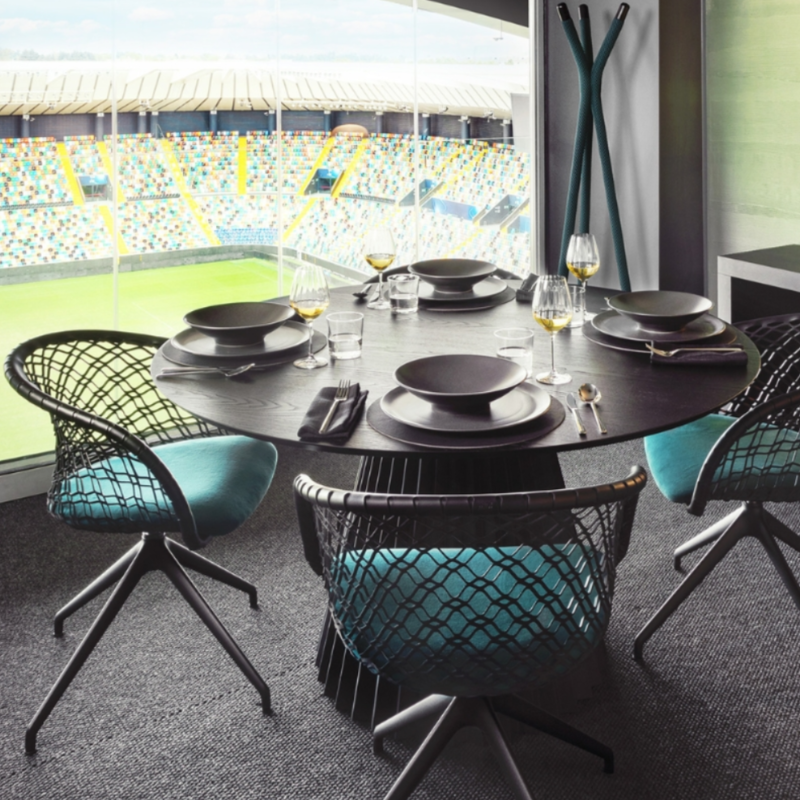
A double pedestal table uses two central supports instead of a single stem or four corner legs, creating a more open perimeter for chairs while still feeling grounded. The Plauto Table by Miniforms is a good example of how sculptural bases can define the silhouette, and it comes in three sizes with multiple wood stains. You still get the clean look of a pedestal table, but with more structural presence.
Are Double Pedestal Tables More Stable Than Single Pedestal or Four-Legged Tables?
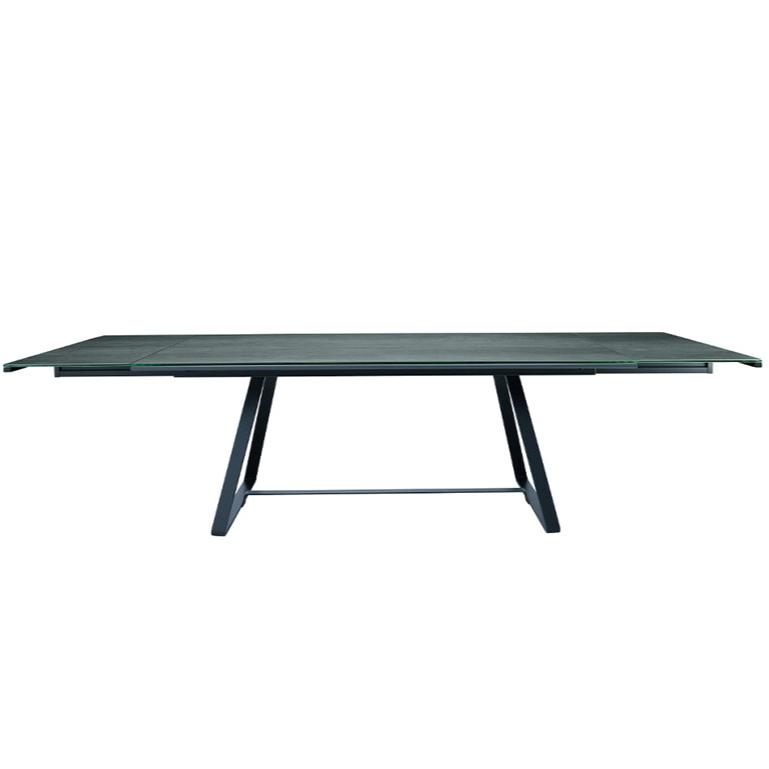
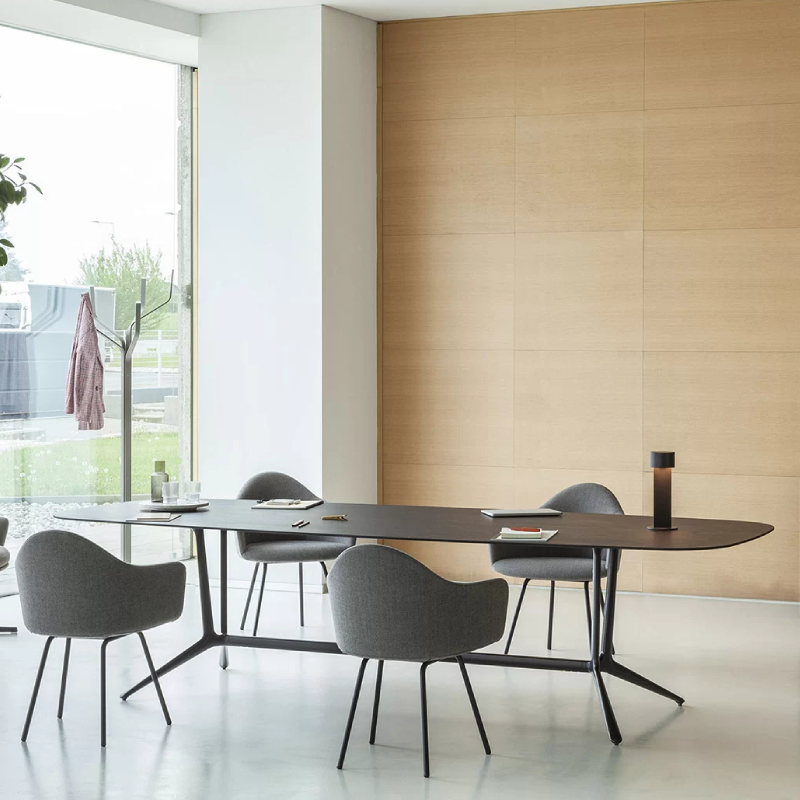
Double pedestal bases often feel sturdier than a single stem because the weight is distributed across two anchors, especially once you get into the larger formats typical of a luxury dining table. In many cases they rival the stability of four-leg models, particularly when the base spans more of the table’s width. Some of our double pedestal versions are also extendable dining table designs, which helps maintain balance when opened.
Do Double Pedestal Bases Limit Legroom or Seating Flexibility Compared to Other Designs?
Most well-designed double pedestal tables leave plenty of clearance, though you’ll get a bit more open foot space from a simple four-leg or rectangular dining table setup. The key is where the pedestals sit relative to the tabletop, since well-placed bases allow full seating on all sides without anyone bumping into the supports. As long as the spacing is right, you get both visual impact and practical flexibility.